
Root Chakra Affirmations for Stability and Grounding
Explore Root Chakra affirmations for stability and grounding. Strengthen your sense of security and balance with these empowering, focused affirmations.
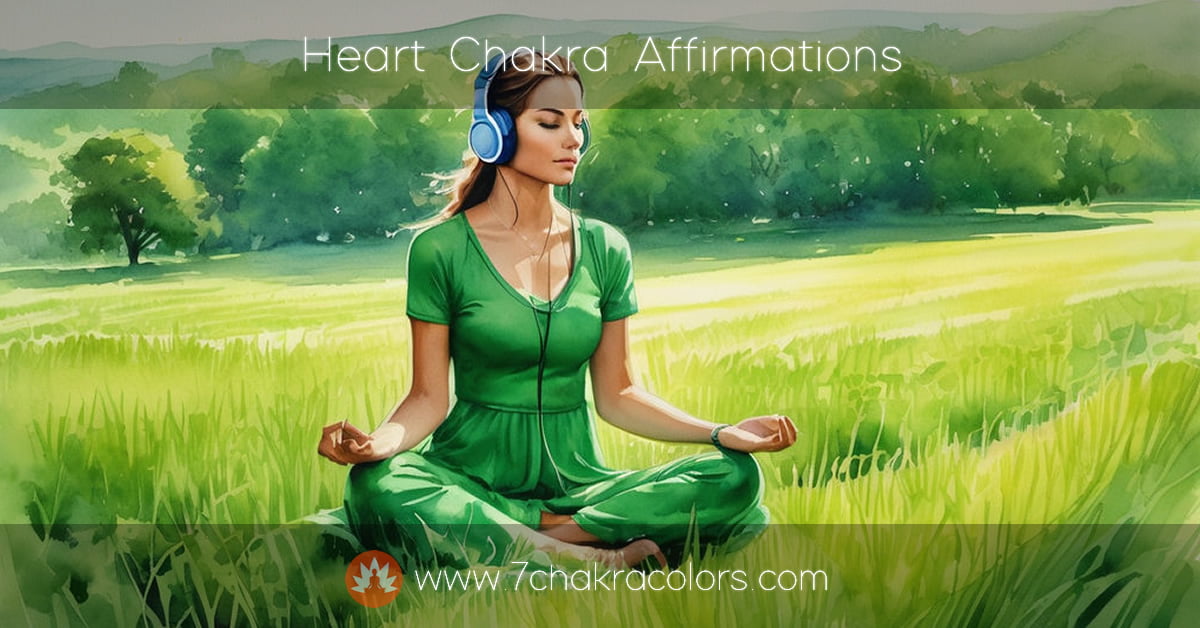
Discover powerful Heart Chakra affirmations for love and healing. Boost emotional well-being and open your heart with these transformative affirmations
Heart chakra affirmations are intentional, compassion-centered statements spoken or listened to with the purpose of opening, healing, and rebalancing your capacity for love — love directed outward toward others, and equally, love directed inward toward yourself. They function as a gentle but deep repatterning practice, using the combined power of repetition, felt intention, and present-tense framing to gradually dissolve the emotional walls and wounds that block the heart from giving and receiving freely.
These affirmations are crafted for Anahata — the fourth chakra, located at the center of the chest — which governs unconditional love, self-compassion, forgiveness, empathy, grief, and the ability to connect authentically with others. Anahata sits at the exact midpoint of the seven-chakra system, bridging the lower three chakras of physical and personal energy with the upper three of expression, insight, and spirit. It is the integrating center — the place where the personal meets the universal.
Heart chakra affirmations work best when they are spoken softly and with genuine warmth — not as commands to the self, but as gentle invitations. Unlike solar plexus affirmations, which often carry a tone of strength and assertion, heart chakra affirmations are most effective when delivered with tenderness and self-compassion. The heart responds to kindness, not force.
Anahata is connected to the air element — the principle of expansion, breath, lightness, and boundless movement. Healthy heart energy moves in all directions simultaneously: outward in generosity and empathy, inward in self-acceptance and care, and through time in the form of forgiveness — the release of what has been held and hardened.
When the heart chakra is blocked, this expansive movement contracts. Love becomes conditional. Self-worth becomes contingent on what you give or achieve for others. Old grief, resentment, or unprocessed hurt forms an energetic crust around the heart — not out of weakness, but as a protective response to real pain. The problem is that what begins as protection eventually becomes isolation.
All chakra affirmations work on this layer through neuroplasticity — the brain's capacity to form new emotional and cognitive patterns through consistent, intentional repetition. When you speak a statement like "I am worthy of love exactly as I am" and allow yourself to feel even a small degree of its truth, you introduce a new signal into a nervous system that may have long operated on the opposite belief. Over time, with repetition, that signal strengthens and the old pattern weakens.
Research in self-compassion and loving-kindness practices — which share significant overlap with heart chakra affirmation work — consistently shows measurable reductions in self-criticism, anxiety, and interpersonal conflict, alongside increases in emotional resilience and the quality of close relationships. The heart, it turns out, responds very directly to being spoken to with care.
Lasting change at this level takes time. The heart's wounds are often the oldest and the deepest. Daily practice, sustained over weeks and months, creates a genuine and cumulative softening — a progressive reopening of the capacity to love and be loved without fear.
A balanced Anahata is perhaps the most transformative of all the chakra states — because love, in its truest form, changes everything it touches. When the heart chakra is open and healthy, you give without keeping score. You receive without deflecting. You forgive — not because what happened was acceptable, but because you are no longer willing to carry the weight of it.
With a healthy heart chakra, self-love is not a concept but a lived experience. You treat yourself with the same warmth and patience you would extend to someone you deeply care for. Your relationships reflect this — they become more honest, more nourishing, and less driven by need, fear, or the hunger for validation.
The contrast with a blocked or wounded heart chakra is painful and recognizable. Anahata deficiency manifests as emotional withdrawal, fear of intimacy, chronic loneliness, difficulty receiving love or care, and a harsh inner critic that never seems to rest. Anahata excess can swing toward codependency, self-sacrifice to the point of self-erasure, and relationships built on fear of abandonment rather than genuine mutual care.
Heart chakra affirmations address the root of both patterns: the belief — often unconscious and very old — that you are not fully worthy of love. By consistently and gently countering this belief with present-tense statements of worthiness, compassion, and openness, these affirmations create the conditions for genuine emotional healing and deeper human connection.
Heart chakra affirmations are available in several formats. Each offers a different texture of practice — explore them and notice which creates the most genuine sense of opening in your chest and your emotional body.
A guided meditation designed specifically for Anahata is one of the most powerful entry points for heart chakra healing, particularly for those who carry significant emotional guardedness or find it difficult to connect with affirmations on an intellectual level alone.
Heart-centered guided meditations typically begin with slow, deep chest breathing — a direct physiological way of activating the parasympathetic nervous system and releasing the chronic tension most people hold in the chest, sternum, and upper back. From this softened state, the affirmations are introduced gradually, allowing them to reach beyond the defended mind and land in the body itself.
Many people notice an unexpected emotional response during heart chakra meditation — tears, warmth, or a sudden awareness of how long they have been holding something tight. This is not a sign that something is wrong. It is the heart beginning to move again.
Take a few minutes to follow the guided meditation below. Approach it with no agenda other than to be present and allow whatever arises.
The listen-and-repeat format works beautifully for heart chakra work when practiced in a relaxed, open physical posture — ideally lying down or sitting with the chest gently lifted and the shoulders relaxed back and down. This posture physically opens the chest cavity, creating a somatic complement to the emotional opening the affirmations invite.
As you listen and repeat each statement, place one or both hands gently on your chest. This simple act of self-touch at the heart center is one of the most direct ways to activate the compassionate nervous system response that heart chakra healing depends on. Research into self-compassion practices consistently highlights physical self-contact as a meaningful accelerant of the process.
Speak the affirmations softly and without pressure — as if you are speaking to someone you love deeply, rather than issuing yourself a directive. Let the voice be warm rather than forceful.
Text affirmations for the heart chakra are particularly well-suited to journaling practice — writing each statement by hand, slowly and with full attention, and then pausing to notice what comes up. The heart chakra holds more emotional charge than any other center, and writing by hand engages a slightly different, often more emotionally connected mode of processing than typing or reading on screen.
A printed affirmation poster placed in your bedroom or a personal, private space tends to work especially well for Anahata — the heart's healing is intimate work, and having these reminders in a space associated with rest and vulnerability deepens their resonance.
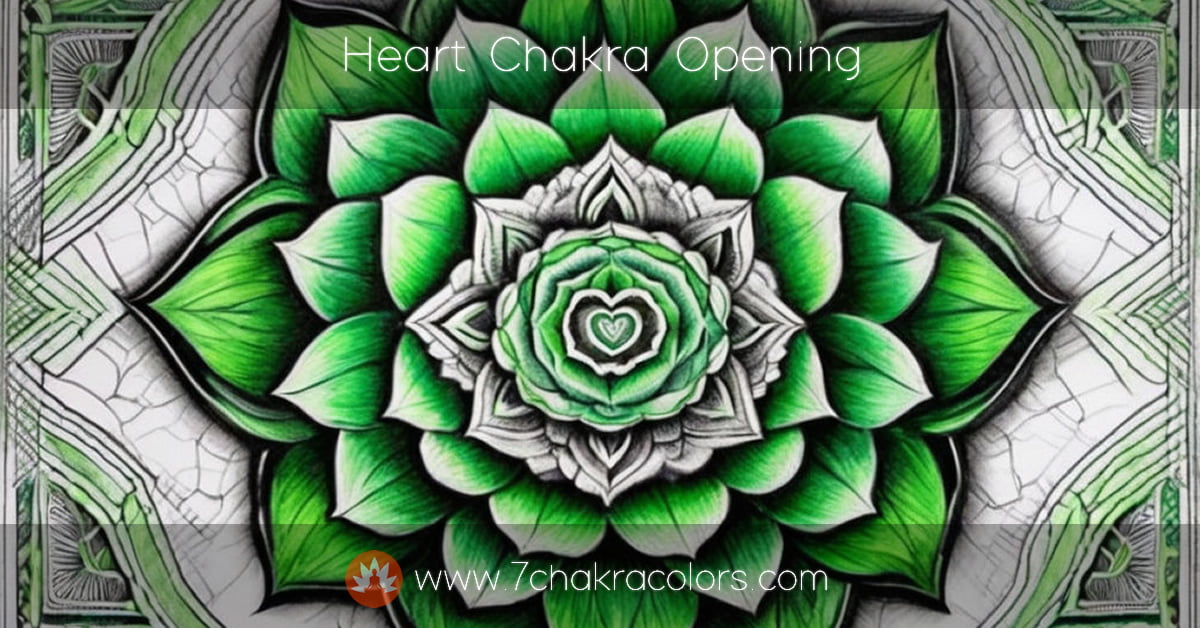
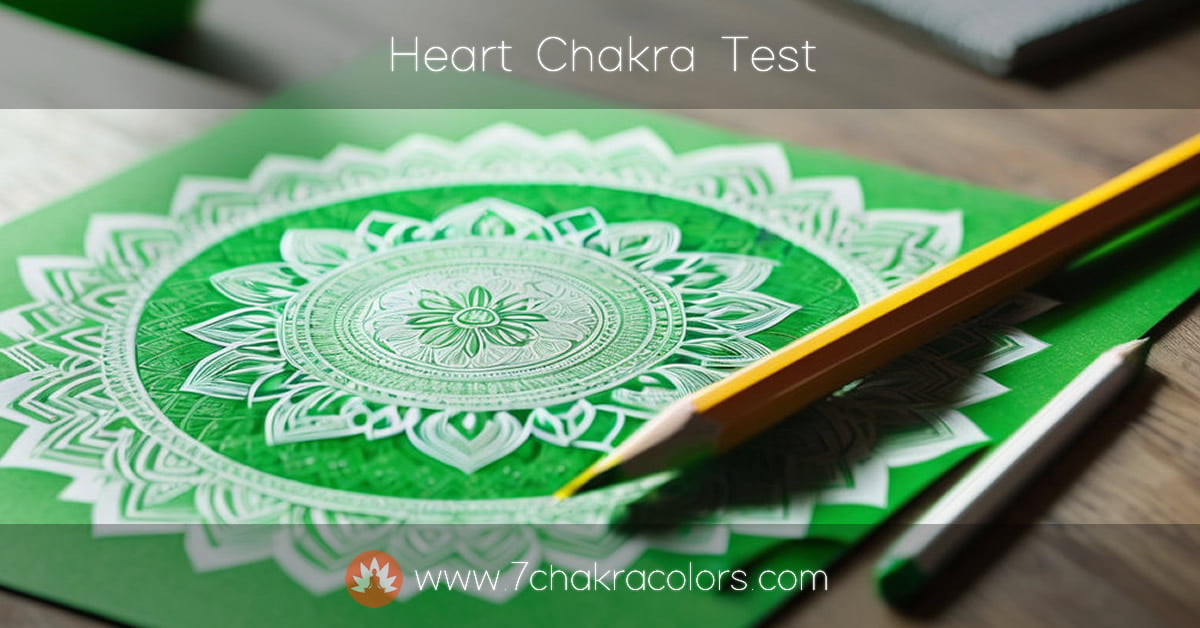
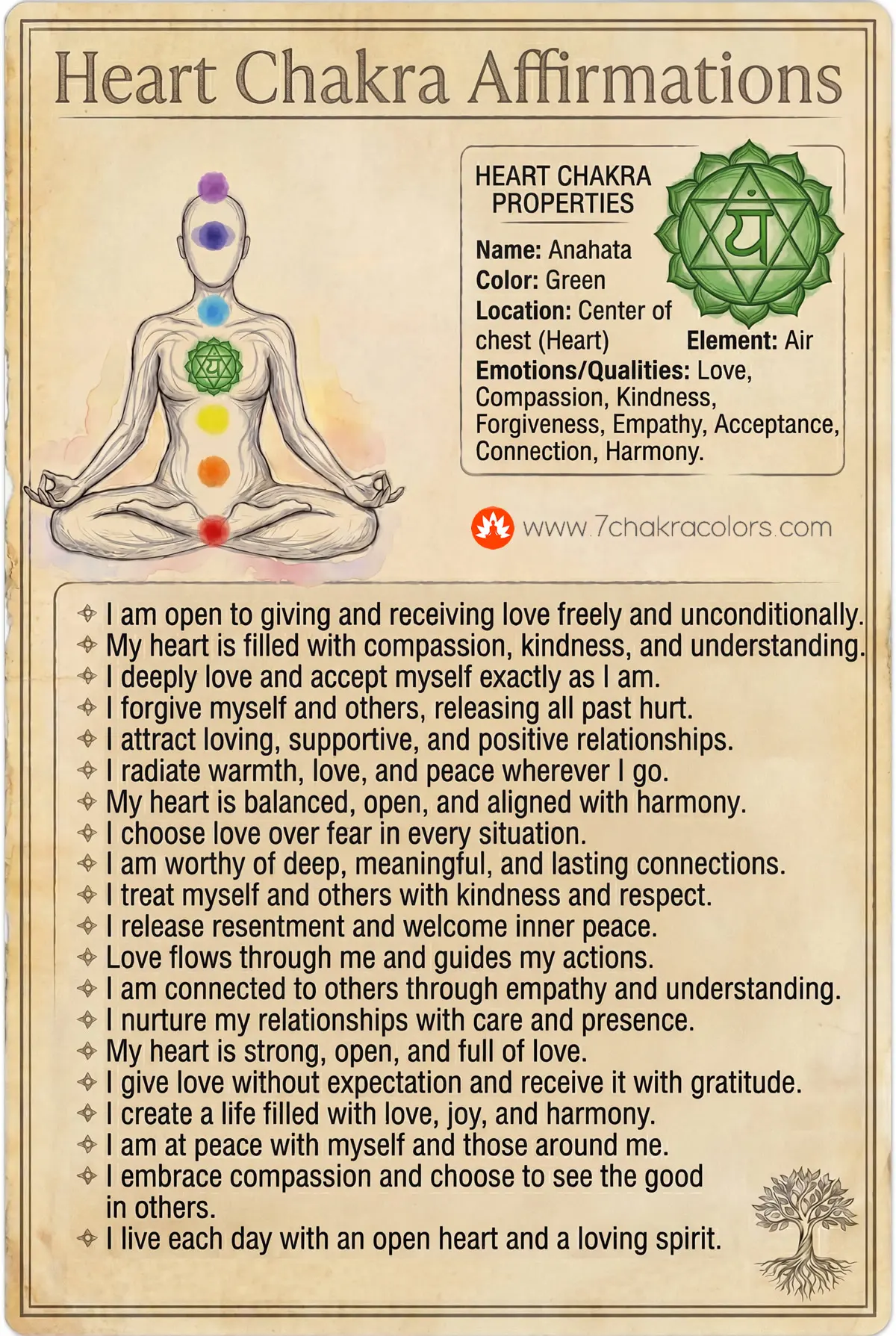
Below is a printable affirmation design for the Heart Chakra. Save or print it for your personal healing space.
Because the heart chakra governs the emotional body more than any other center, the most important element of integration is not the time of day you practice, but the quality of presence you bring to each session. Even five minutes of genuine, unhurried attention to these affirmations will outperform twenty minutes of mechanical repetition.
Morning practice sets a tone of openness and compassion that colors the entire day's interactions. Evening practice offers an opportunity to process the emotional texture of the day — to acknowledge where you felt closed or reactive, extend compassion to yourself for it, and consciously release it before sleep.
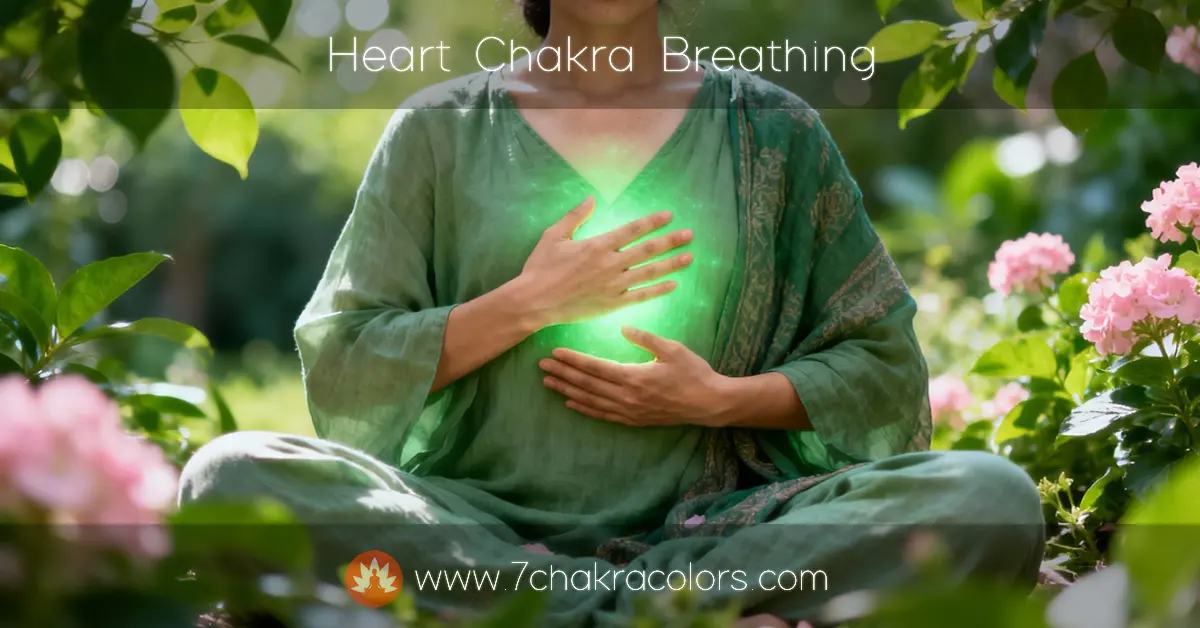
Place one or both hands on your chest at the start of each session. Take three slow, deep breaths, directing the breath into the chest rather than the belly. Feel the ribcage expand. Notice any tightness or constriction. Simply acknowledging it — without trying to fix it — is itself an act of heart-centered awareness.
Visualize a soft, radiant green light — the color of Anahata — glowing gently at the center of your chest. With each exhale, see it expanding outward in all directions, filling the room, extending without limit. With each affirmation, let this light grow a little brighter and a little warmer.


Heart chakra affirmations deepen significantly when supported by practices that engage the body, the breath, and the emotional self in complementary ways. The following are particularly aligned with Anahata healing:
Together, these practices and your daily affirmation work create a comprehensive approach to heart chakra healing — one that addresses the emotional, energetic, physical, and sensory dimensions of Anahata simultaneously.
The Heart Chakra is the center of your capacity for love — not as a feeling that comes and goes, but as a fundamental orientation toward life, toward others, and toward yourself. When Anahata is open and balanced, love is not something you search for or try to earn. It is something you are — and from that place, it flows naturally into everything you touch.
Heart chakra affirmations are an act of courage. They ask you to say things that, if your heart has been hurt or closed for a long time, may feel almost untrue at first. I am worthy of love. I forgive. I open my heart. The practice is precisely in saying them anyway — gently, consistently, and with as much genuine intention as you can bring — until the day you notice they no longer feel like aspirations but like simple truth.
Be patient with this process. The heart heals in its own time, and it heals most fully when approached with the very quality it is trying to restore: compassion. Offer yourself that compassion as you practice. It is not a precondition for the healing — it is the healing itself.