
7 Powerful Yoga Practices for Chakra Healing
Master 7 powerful yoga practices to balance your chakras. Learn kundalini yoga, heart-openers, grounding poses, and complete routines for energy healing.
Table Of Contents
Your chakras aren’t some distant spiritual concept. They’re in your body right now. Running. Processing energy, holding tension, getting stuck when life gets messy.
Here’s what most people miss: yoga isn’t stretching. It’s the fastest way to actually unlock what’s jammed up.
Want chakra healing? Yoga delivers it. Poses. Breathwork. Intention. These three work together.
You balance your seven energy centers by combining all three. Not one alone. All three.
Shifts happen fast. Within days you’ll notice deeper breathing. Tension releases. Your mind clears in ways it didn’t before. But this only works if you’re consistent. Sporadic practice won’t move the needle.
Why Yoga Works for Chakra Healing
Thousands of years. Yoga’s been around that long. Not because it feels good. Because it actually works.
Here’s the mechanics: your body and your energy are the same system. Move your body with presence – really be there in the pose instead of checking out – and your energy shifts. This isn’t separate. It’s one process with two expressions.
So when you hold a pose for 20 minutes with real attention, you’re doing something that weeks of sitting and thinking about chakras can’t touch. You’re physically unlocking what meditation alone leaves stuck.
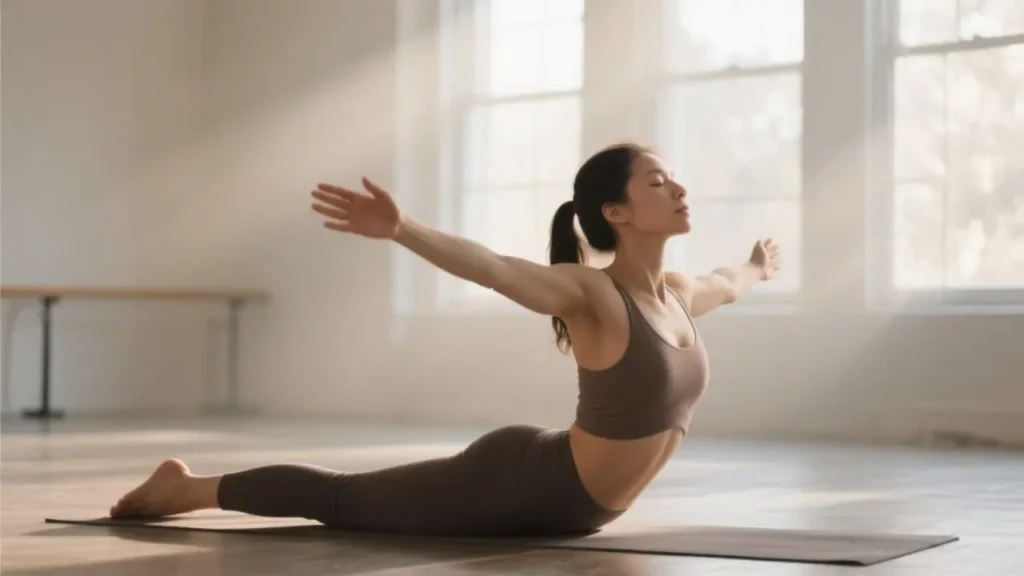
Why? Because yoga hits specific energy centers through specific positions. Your chest physically opens. Your hips release. Your spine straightens. These positions aren’t random – they target exact chakra points. The shifts are real, not symbolic.
1. Kundalini Yoga: The Full System Reset
Most yoga practices work locally. One chakra at a time. One body part at a time.
Kundalini yoga is one of the most powerful practices for chakra healing. It wakes up the power that’s coiled at your spine’s base. Ancient texts call it a serpent. A cobra. Why? Because it’s been dormant. Sleeping. Most people live their whole lives with this energy untouched.
When you practice kundalini yoga with actual awareness – not just moving – you flip a switch. That coiled energy wakes up. Activates. It’s not a gentle practice. This is deliberately waking something that’s been sleeping.
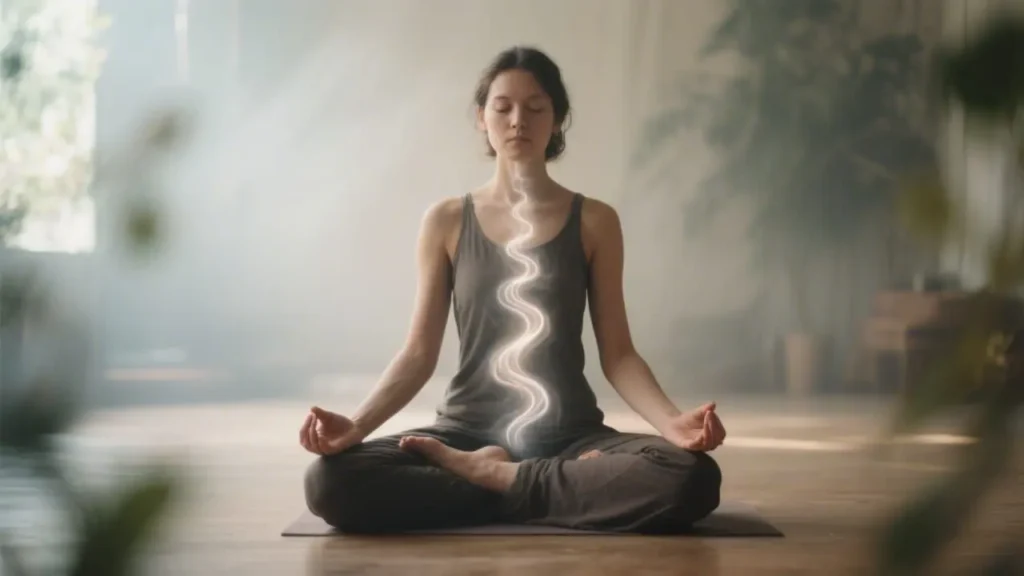
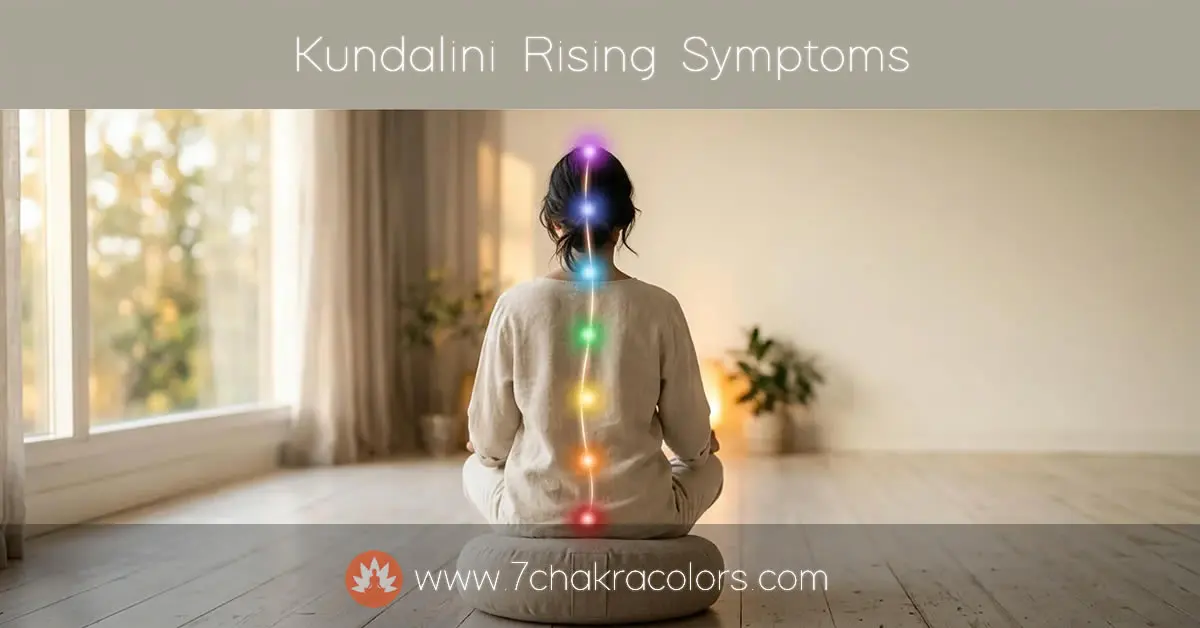
The mechanics matter here: dynamic movement plus breathwork plus chanting plus meditation. This combination does what single practices can’t. It doesn’t address one chakra. It activates the entire spine. Energy moves from root up through sacral, solar plexus, heart, throat, third eye, crown. One continuous flow.
People feel this fast. First few sessions and breathing deepens on its own – not because you’re forcing it, but because the system is more open. A groundedness appears. Your nervous system settles.
The catch: you’re moving real energy. Old stuff gets stirred up. Emotions surface. Blockages release. This isn’t always comfortable. But that’s exactly how you know it’s working – you’re clearing, not just smoothing over.
Getting started: Find a teacher. YouTube kundalini teaches the mechanics but misses the transmission. You need guidance to understand what’s moving in your body and how to stay safe while it happens.
2. Heart-Opening Poses for Upper Chakra Activation
Your body has a dividing line. Everything below your heart handles survival, desire, and personal power. Everything above handles communication, vision, and connection beyond yourself. The heart chakra sits in the middle.
Which means when your heart closes – and most people’s does – you cut yourself in half. Bottom half shut off from top half. Upper chakras stay isolated from grounding. Lower chakras stay disconnected from meaning.
Most of us lock the heart down tight. Stress does it. Old hurts do it. Years of protection harden the chest and shoulders. Your heart literally can’t open until you release that tension.
These poses crack it open:
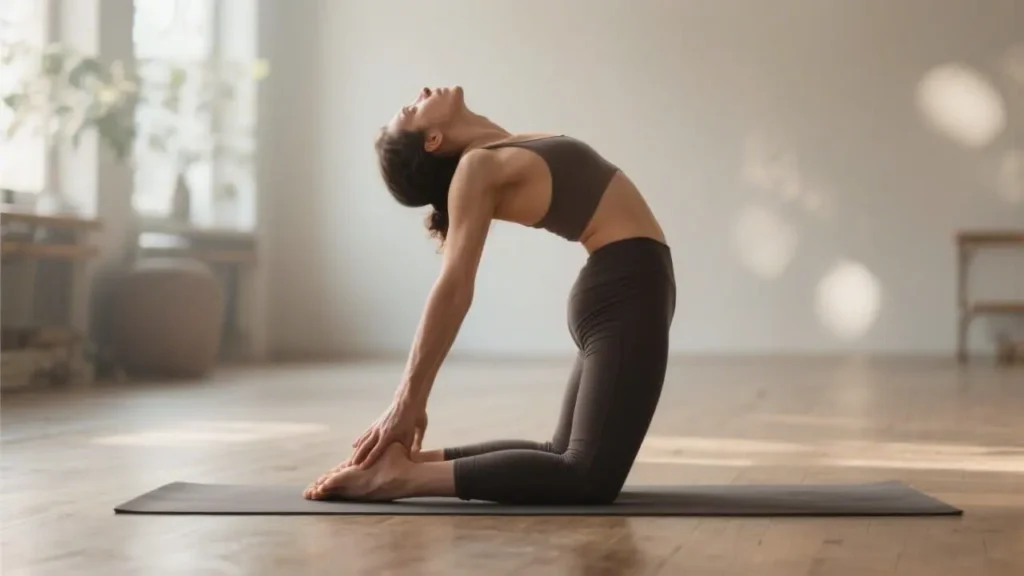
- Camel Pose (Ustrasana): Your entire front body extends backward toward the floor. Intense. Uncomfortable. That’s because your chest has forgotten how to expand this far. Hold 20 seconds if you’re starting out. Your system will register the change immediately.
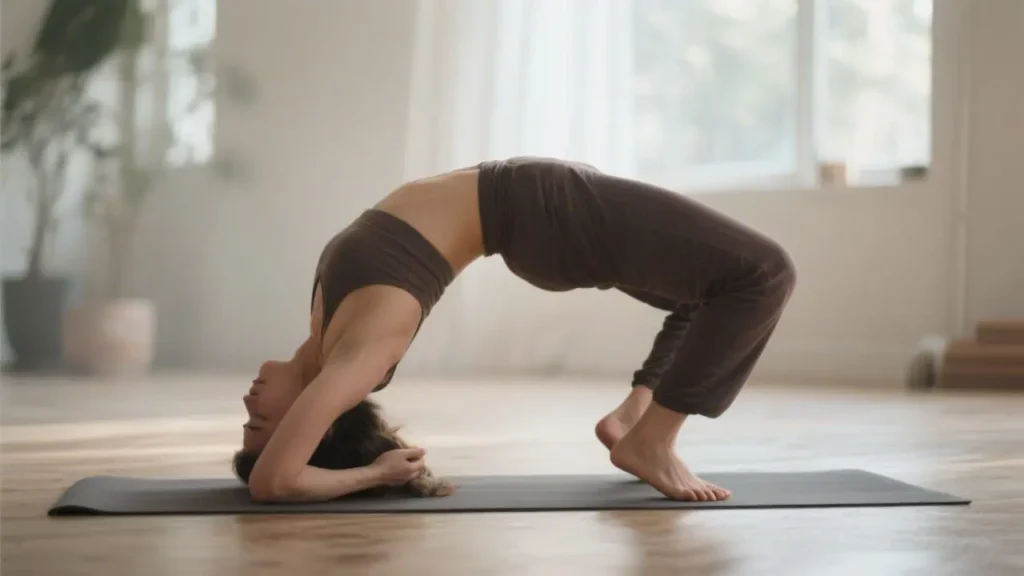
- Bridge Pose (Setu Bandha Sarvangasana): Same direction but gentler. You’re lifting your lower body while keeping your upper body grounded. The chest opens. The shoulders relax back. Space emerges. Five to eight breaths. Then release and notice the difference.
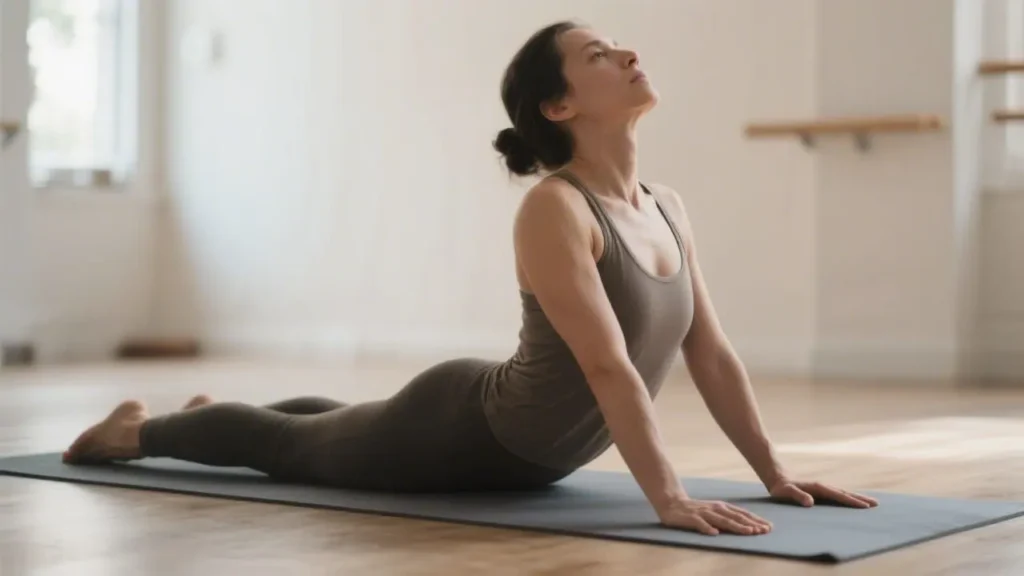
- Cobra Pose (Bhujangasana): This one opens your heart while lengthening the entire front spine. Hands press down, chest lifts forward and up. You’re not contorting – you’re lengthening and expressing. Breathe into the expansion.
Do these regularly and your relationship to your body changes. Shoulders naturally relax. Breathing deepens without effort. People see it before you do – your whole presence is different.
3. Grounding Poses for Root and Lower Chakra Stability
All the heart-opening won’t help if your foundation is shaky. Ground first.
Your root chakra handles safety. Stability. Your sense of belonging in your own body. When it’s weak, you feel scattered. Anxious. Like you’re not fully there.
These standing poses build that foundation:
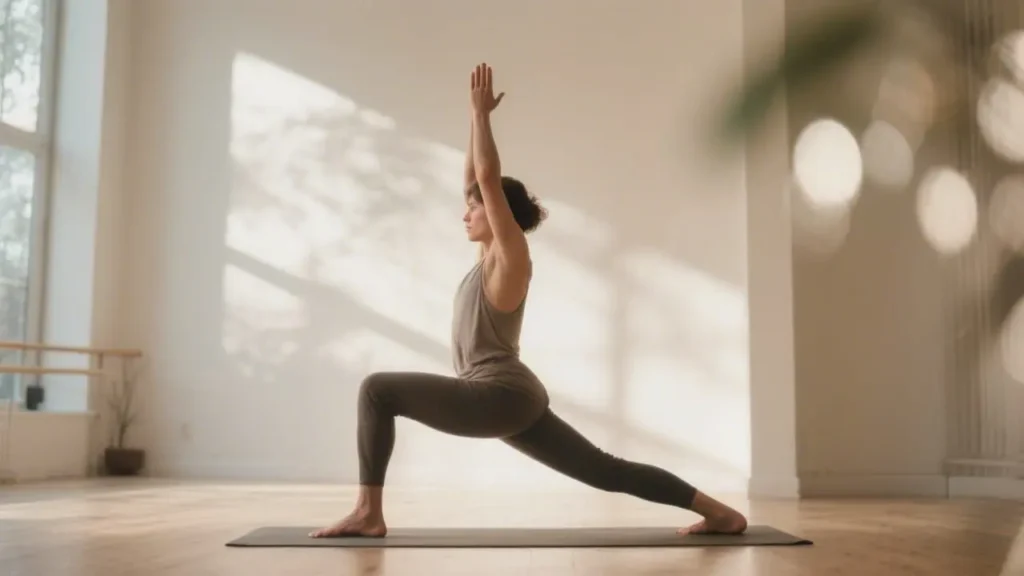
- Warrior I (Virabhadrasana I): Your legs become roots into the earth. This pose demands presence and strength. Hold it and feel your entire lower body engaged, grounded. Do both sides.
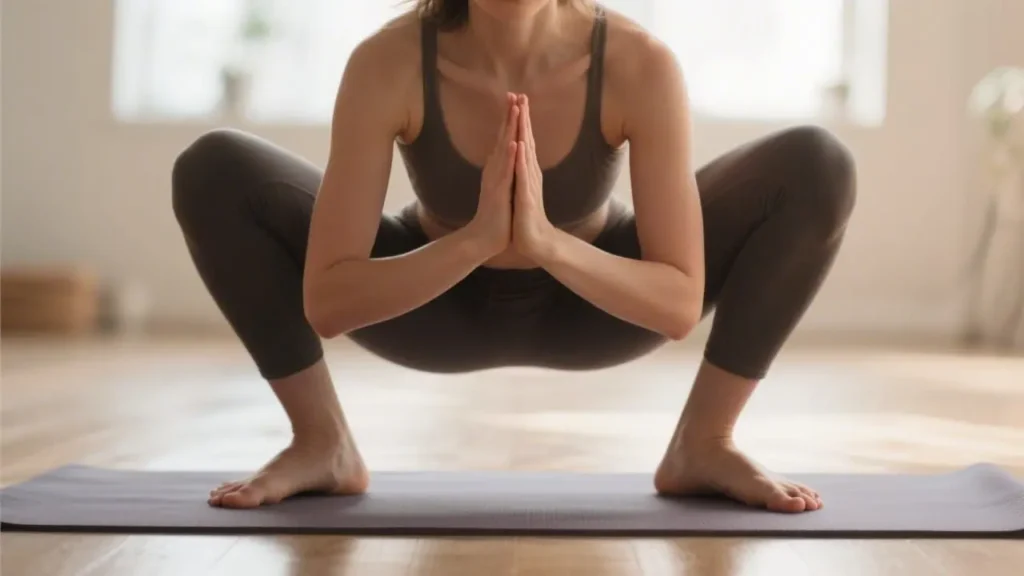
- Malasana (Yogic Squat): Sit in a deep squat. Feet wide. This is how humans naturally settle. Directly activates your root and sacral. Hold 10-20 breaths. Let your hips open.
- Pigeon Pose (Eka Pada Rajakapotasana Prep): Hip opener. Intense. Necessary. Your hips hold emotion and stored tension. Pigeon releases it. Forward fold over the bent leg. Breathe through the intensity.
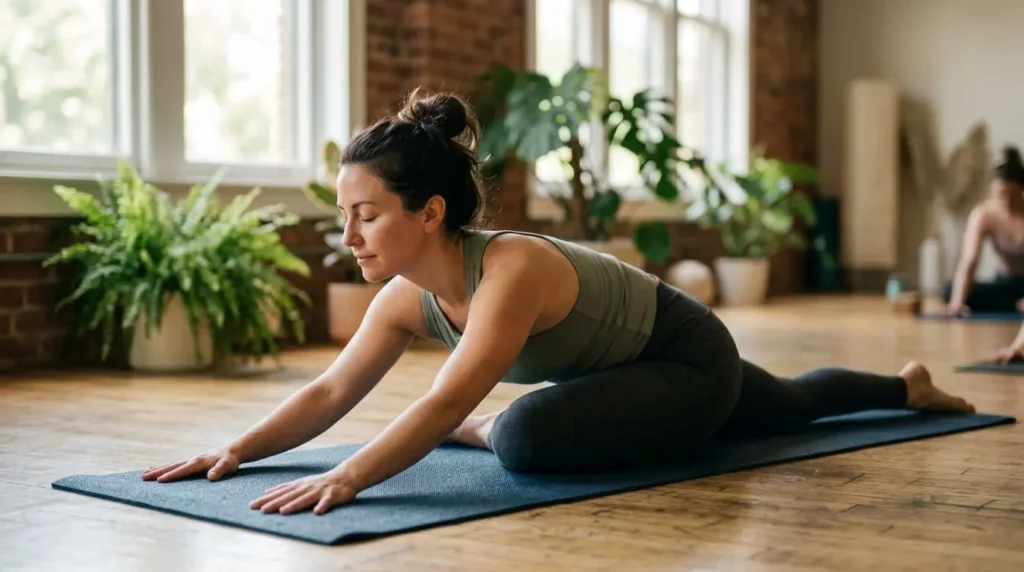
Practice these regularly and your nervous system shifts. You feel more present. More solid. Less reactive to chaos around you.
4. Solar Plexus Activation Through Core Work
Power doesn’t live in your fists or your voice. It lives in your core. Between your navel and sternum. This is your manipura chakra – your solar plexus.
When this center is weak, you tolerate things you shouldn’t. You stay in situations you hate. You can’t say no. Can’t take action. The words get stuck somewhere in your gut.
When it’s blocked – and most people’s is – you feel the absence of power. Not physically weak. Energetically stuck. Like everything requires more effort than it should.
These practices ignite it:
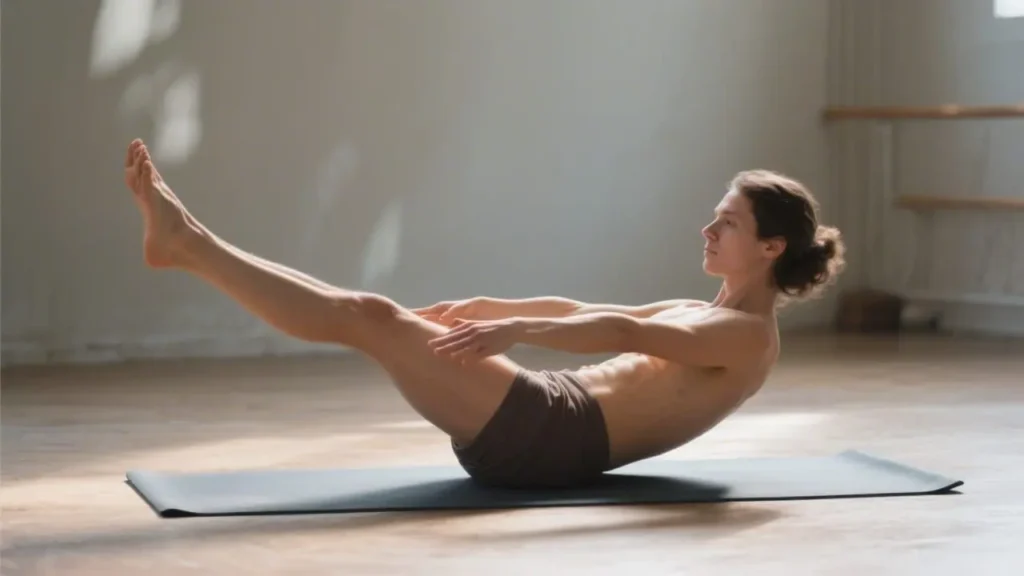
- Boat Pose (Navasana): Sit, lean back, lift your legs off the ground. Your entire core fires. This is uncomfortable. That discomfort is heat. That heat is your solar plexus waking up. You’re not building vanity muscles. You’re building the energetic power to take action in your life.
- Sun Salutations with Intention: Flowing sequences warm your core naturally. But here’s what transforms this: do them with focus. Feel the sun – that fire element – moving through your center with each breath. Intention turns exercise into energy work.
- Breath of Fire (Bhastrika Pranayama): Rapid breathing that heats your core. Thirty to sixty seconds. You’ll feel the fire building in your belly. That sensation is your manipura activating. That’s real energy moving.
When your power center wakes up, everything changes. You stop accepting the unacceptable. You take action on things you’ve been avoiding. Your willpower isn’t borrowed anymore – it’s rooted in your core. If you want to reinforce this shift beyond the mat, unique chakra customized gifts for every occasion — from solar plexus stones to intention journals — help anchor the energy in your daily life.
5. Throat and Third Eye Activation Through Inversions
Inversions flip your body. But they flip something else too – your relationship to gravity and energy direction.
Normally gravity pulls your energy down. Your awareness settles into your lower chakras. Your attention stays grounded – which is necessary, but it means your throat and third eye stay offline.
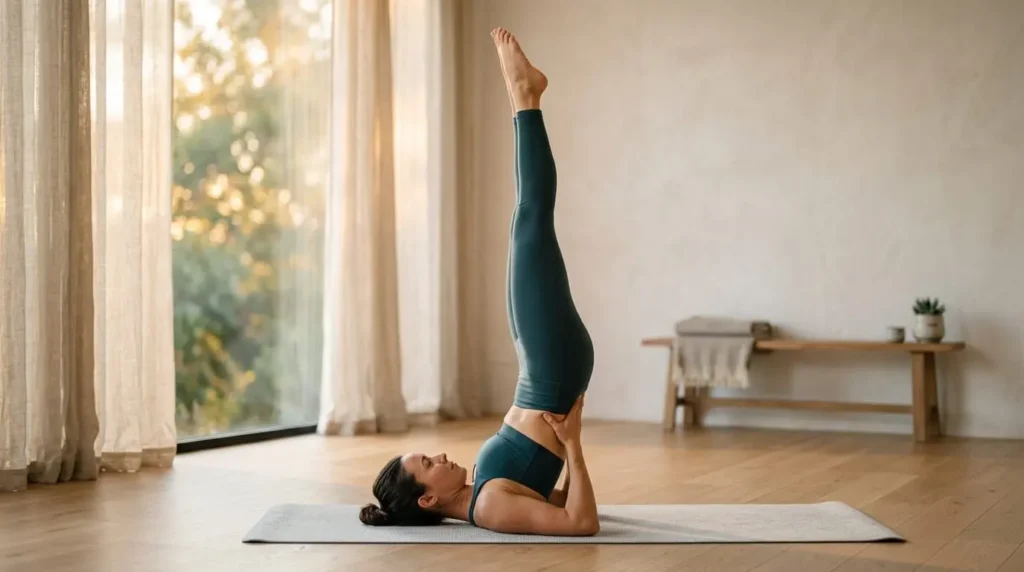
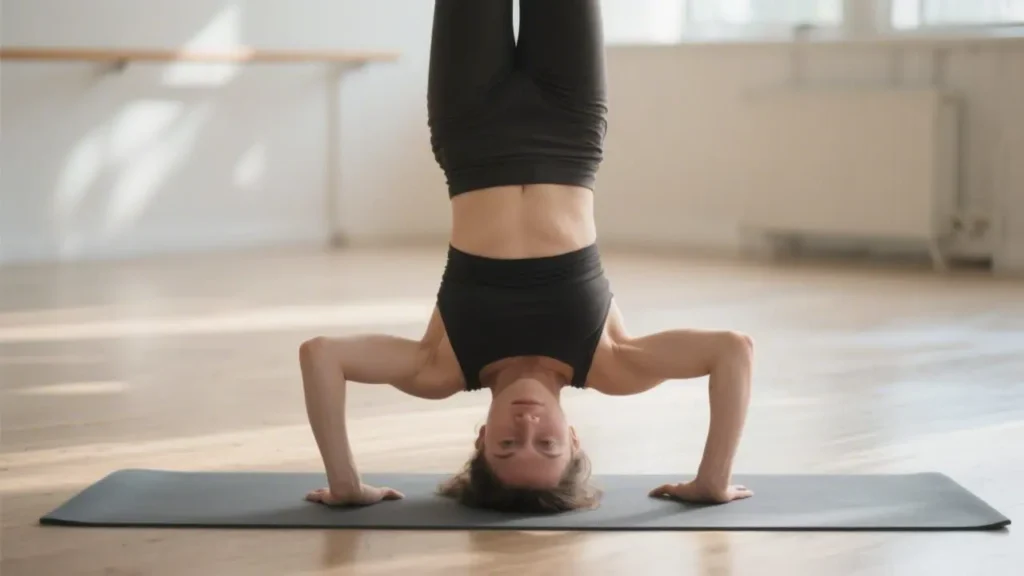
Inversions reverse this. Head below heart means energy gets pulled upward. Your throat chakra – the gateway to expression – gets compressed and then released. Your third eye – the vision center – gets flooded with blood and activated.
- Shoulder Stand (Sarvangasana): Your neck is gently compressed. This directly stimulates your throat chakra. Build gradually – don’t force this pose. Once you have the strength, hold thirty seconds to a minute. You’ll feel your throat area wake up.
- Headstand (Sirsasana) or Supported Headstand: This one floods your brain with blood. Your intuition gets sharper. Your third eye opens. Your perspective literally shifts. Find a teacher for this – safety matters more than speed.
- Downward Dog with Awareness: Gentler than true inversions, but still effective. Your head goes below your heart. Stay present. Feel the shift in pressure, the energy moving upward. You don’t need intensity to get results.
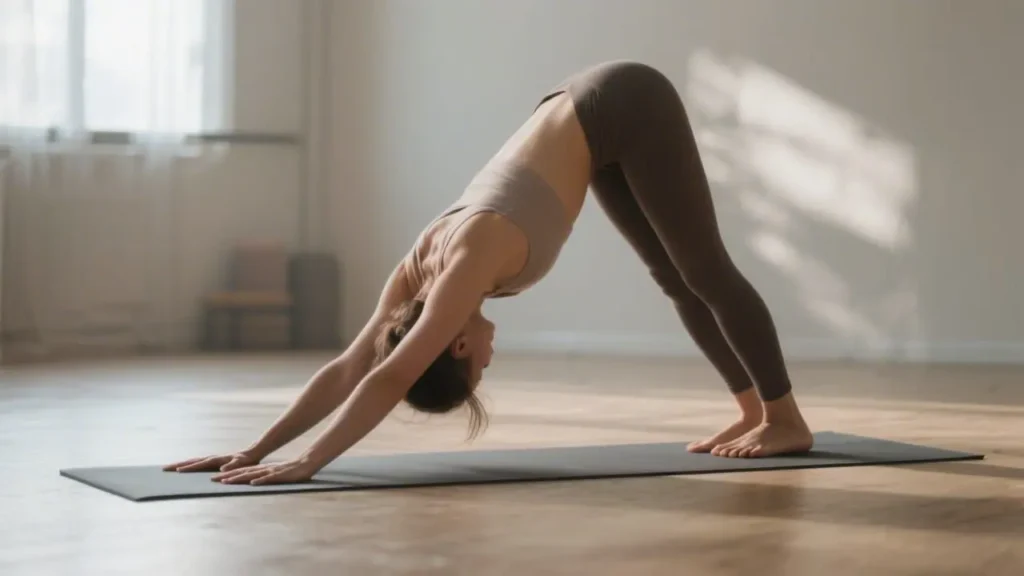
Make inversions regular and something shifts in how you communicate and perceive. You speak your truth more easily. Your intuition becomes sharper. You know things without needing to explain why.
6. Crown Chakra Integration Through Stillness and Meditation
Your crown chakra doesn’t open through force. It opens through release.
After all the movement and breathwork, you need silence. Stillness. Space for that highest connection to actually land. That space is easier to find when your surroundings are clear — knowing how to effectively get rid of negative energy in your home makes your practice environment as receptive as your body.
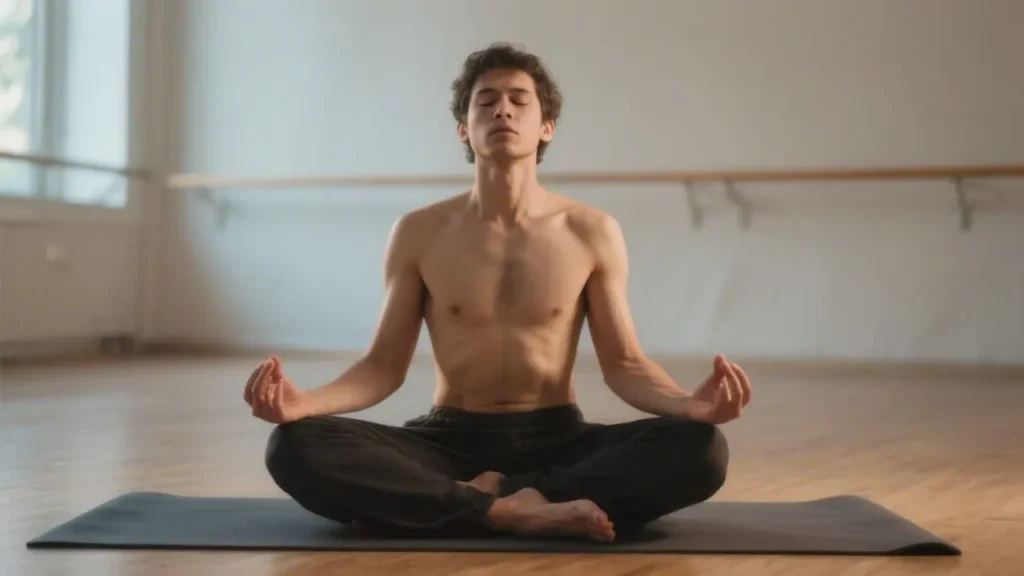
Lotus Pose (Padmasana) or Comfortable Seated Position: Sit with a straight spine. Close your eyes. Let everything else fall away.
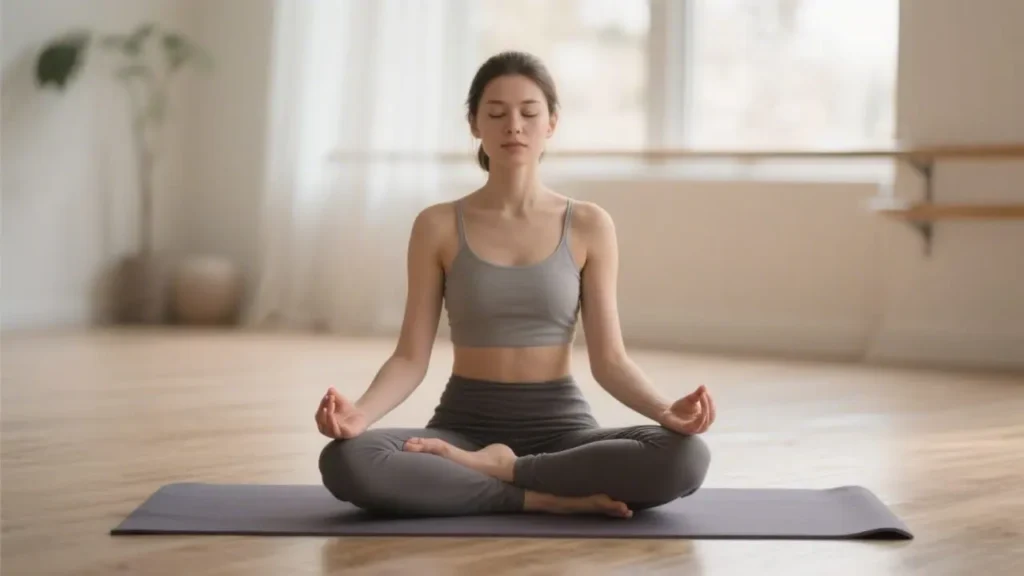
Your crown chakra opens when your mind finally quiets.
Follow this: intense yoga practice to move and clear energy. Breathwork to direct it. Then stillness to integrate it.
That integration is where transformation happens. Not during the practice. In the spaciousness after.
7. Full Chakra Flow: Activating the Entire Energy System
Working on individual chakras is powerful. But real balance happens when all seven centers work together.
A full chakra flow practice moves energy from the root to the crown in one continuous sequence.
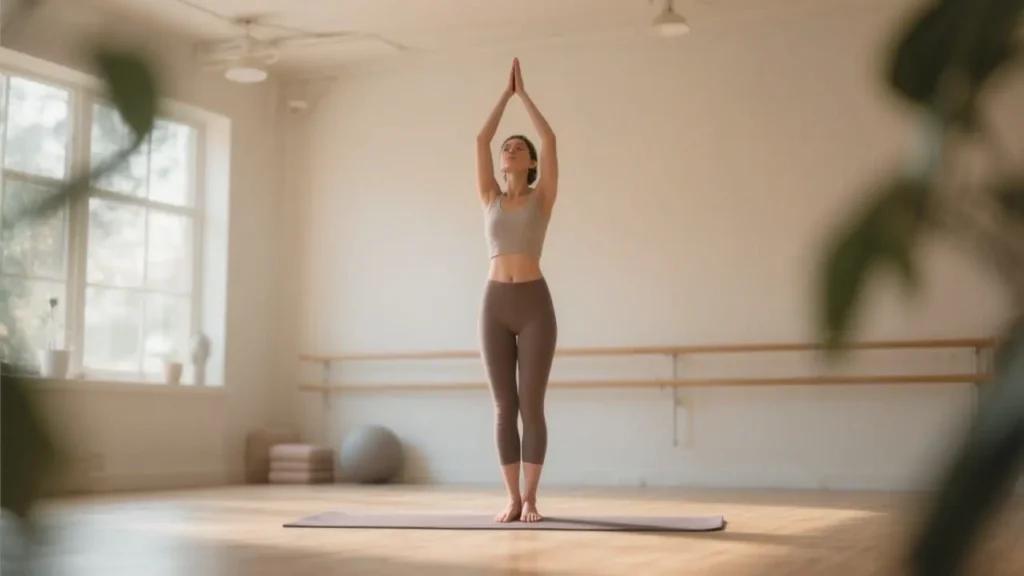
Start in Mountain Pose (Tadasana) to ground your body and activate the root chakra.
Move into Malasana (Yogic Squat) to release the hips and stimulate the sacral chakra.
Hold Boat Pose (Navasana) to ignite the solar plexus and awaken inner power.
Open the chest with Cobra Pose (Bhujangasana) to activate the heart chakra.
Finish with Downward Dog or a gentle inversion to encourage energy to rise toward the throat, third eye, and crown.
End the practice seated in Lotus Pose (Padmasana) or a comfortable meditation position.
This short sequence activates the entire chakra system in 10–15 minutes. With regular practice, energy flows more freely through the spine, bringing greater clarity, balance, and vitality.
Do this three times a week and your entire chakra system balances. You’ll feel it – in your body, your energy, your clarity.
What You’ll Actually Notice
Changes happen fast when you’re doing real work.
Within days: breathing gets deeper naturally. That anxiety you carry drops a notch. You sleep better. Your body feels less tense.
Within weeks: emotional regulation improves. Things that triggered you roll off easier. You have more energy – real energy, not caffeine-fueled restlessness.
Within months: people notice. Your presence changes. Your confidence shifts. You’re different because your energy system is actually balanced.
The One Thing Most People Get Wrong
They treat yoga like exercise. Just another thing to check off.
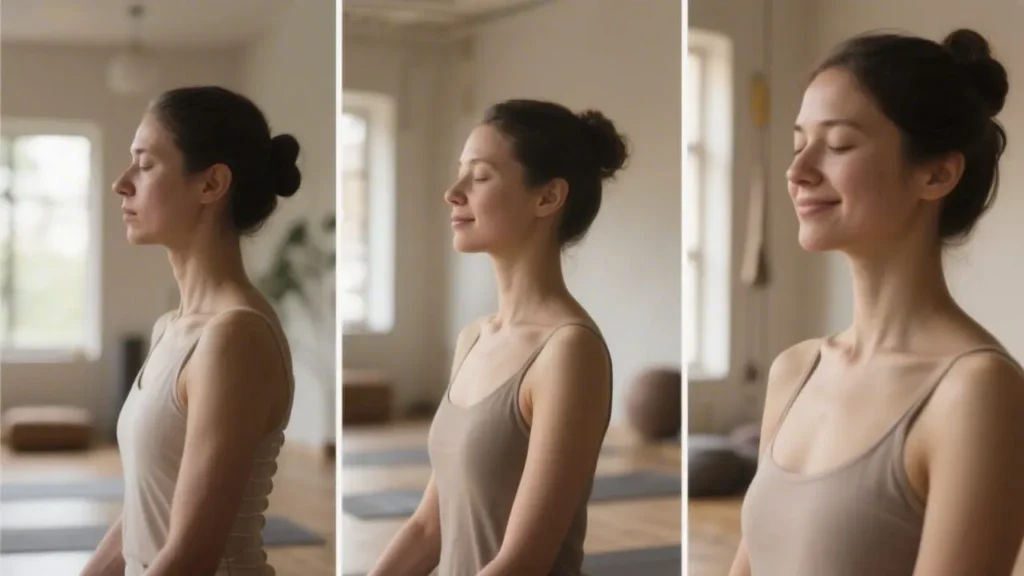
Chakra yoga only works when you’re actually present. When you’re feeling into your body instead of spacing out. When you’re breathing with purpose instead of just moving through poses.
That presence is everything. Without it, you’re just stretching. With it, you’re transforming.
Frequently Asked Questions About Chakra Yoga
How often should I practice chakra yoga?
Four times a week is the minimum for real shifts. Why? Because energy needs consistency to reorganize. Your body learns. Your nervous system adapts. But this only happens with repetition. If you can do it daily, do it. Three times weekly is the bare threshold where you’ll see change.
Can I practice chakra yoga if I’m a beginner?
Start simple. Foundational poses. Long holds instead of advanced variations. Avoid headstands and kundalini until you have the base built. Find a teacher who can customize poses to your body, not just show you a sequence. Building safely now means deeper practice later.
How long before I feel changes in my chakras?
First week: subtle shifts. Your breathing changes without you forcing it. Tension eases slightly. Then two to four weeks in, the bigger stuff arrives. Emotional clarity. Energy levels shift. Your nervous system calms. Months in? People notice you’re different.
Do I need special equipment for chakra yoga?
A mat helps. Blocks and straps make things accessible – especially if you’re working with tight hips or building strength. But honestly, the best equipment is your body and a flat surface. Props enhance. They don’t replace.
What if I feel intense emotions during practice?
This is normal. Good sign, actually. Yoga releases emotion stored in your body and energy centers. When feelings come up, don’t resist. Breathe through it. Stay present. Let the emotion move through instead of pushing it deeper. This is the healing happening.
Can chakra yoga help with anxiety?
Yes, because anxiety lives in your body, not just your mind. Grounding poses calm your nervous system and activate root chakra stability. Heart-openers release the chest tension where anxiety gets stuck. Breathwork regulates your fight-or-flight response. Together, they address anxiety at the source – not just temporarily.
Start Tomorrow Morning
Pick one grounding pose. Warrior I or Malasana. Hold it. One minute. Breathe into it. Feel your feet connecting to earth.
Do this every morning for seven days. Notice what changes. If you find it hard to motivate yourself, you might even try to find a spiritual yoga partner online.
Here’s why this matters: your chakras are always working. Running. Processing energy whether you pay attention or not. Most people ignore them completely. So their system stays stuck. Unbalanced.
But you? You’re choosing to work with your system instead of letting it work on autopilot. That choice – the act of becoming conscious – that’s where everything shifts. You move from passenger to pilot. From reactive to intentional. From scattered to rooted.
That’s the actual transformation.
Blog Categories:
About the Author: