

Can Spirituality Shield You From Everyday Life Challenges?
Explore how spirituality relates to real-life challenges, from law of attraction and spiritual bypassing to grounded ways of navigating everyday struggles.
Table Of Contents
Morning meditation is part of your routine now. You watch your thoughts, you try to stay mindful, you do the inner work – and then one Tuesday afternoon somebody breaks into your car while you’re grabbing coffee. Or a friendship you counted on quietly falls apart. Or the paperwork from some mess you didn’t create lands on your kitchen table. Whatever it is, it pulls the rug out, and the question shows up right behind it: does any of this inner work actually protect me from anything?
Fair question. A lot of spiritual teaching sort of implies that it should. That enough presence, enough alignment, enough good energy and you’ll be met by a softer version of life. But the hard stuff keeps arriving anyway. Mixed in with the good. Sometimes more of it than you feel like you earned.
So what’s really going on? Does spiritual practice actually shield you from life’s harder moments – or does it do something else entirely?
What Spirituality Promises – And What It Actually Delivers
Ask ten people what spirituality means and you’ll get ten slightly different answers, but most of them circle the same territory – some kind of connection. With yourself, mostly. With other people. With whatever feels bigger than your own small worries. Different traditions use different language for it, but the shared thread is that aligning what’s happening inside you tends to change how the outside lands.
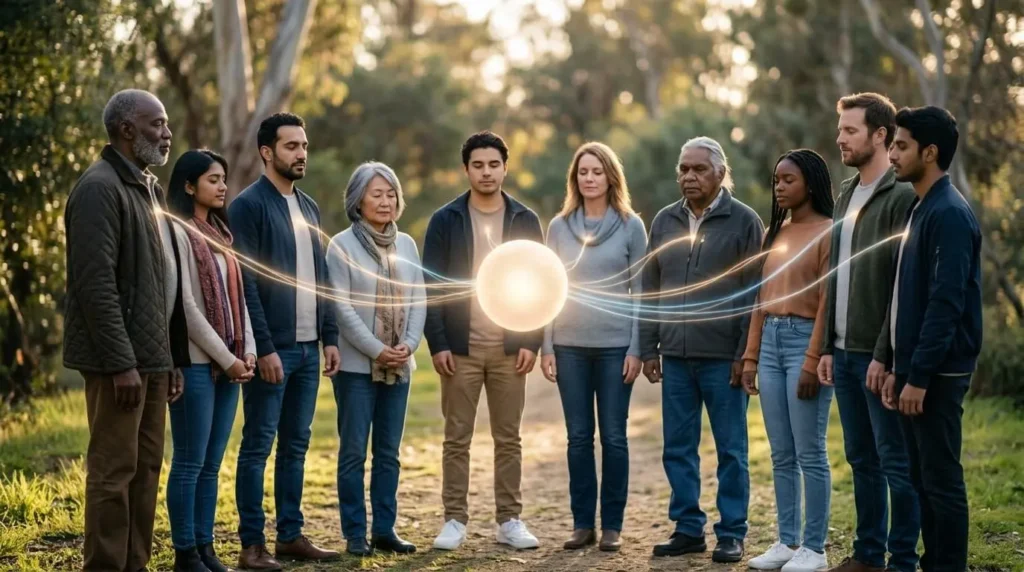
And that part mostly checks out. People who stick with a practice handle stress differently – not because nothing gets to them, but because they have a little more room between the trigger and the reaction. Setbacks don’t knock them down for as long. Decisions get made from somewhere steadier than panic.
Somewhere along the way, though, this turned into a much bigger claim. That the right mindset basically puts you out of reach. That if you’re grateful enough, vibrate high enough, think clearly enough, hardship just won’t find you. Nice idea. Doesn’t really track with how anything works.
Understanding the Law of Attraction
Any conversation about spirituality and outcomes ends up at the law of attraction eventually. The premise is familiar by now – your thoughts and emotional states are doing something, not just sitting there. They pull experiences toward you. Hold onto what you want long enough, with enough belief behind it, and circumstances start arranging themselves to match. Dwell on what you’re afraid of, and you’ll keep running into more versions of the same fear.

It’s not entirely wrong. Someone who walks around expecting things to go well carries themselves in a completely different way than someone braced for disappointment – posture, eye contact, the questions they ask, how they handle a small awkward moment. None of that is supernatural. It’s just that when you’re not carrying resentment into every interaction, interactions tend to go better. Small advantages compound. Over a few years, that looks a lot like luck.
Where it gets complicated is when people take the idea to its extreme conclusion. Every event becomes a reflection of your vibration. Every problem becomes something you secretly attracted. Which sounds empowering until something awful happens – and then it becomes a source of shame.
Why Challenges Still Happen to Spiritually Aligned People
Here’s what matters – the people who’ve done decades of this work still get rear-ended on the freeway. They sit in hospital waiting rooms holding bad news. Business partners they trusted walk off with money. Marriages unravel despite both people showing up. Your mindset is one input into your life, a meaningful one, but it’s sharing the wheel with plenty of others you don’t steer.
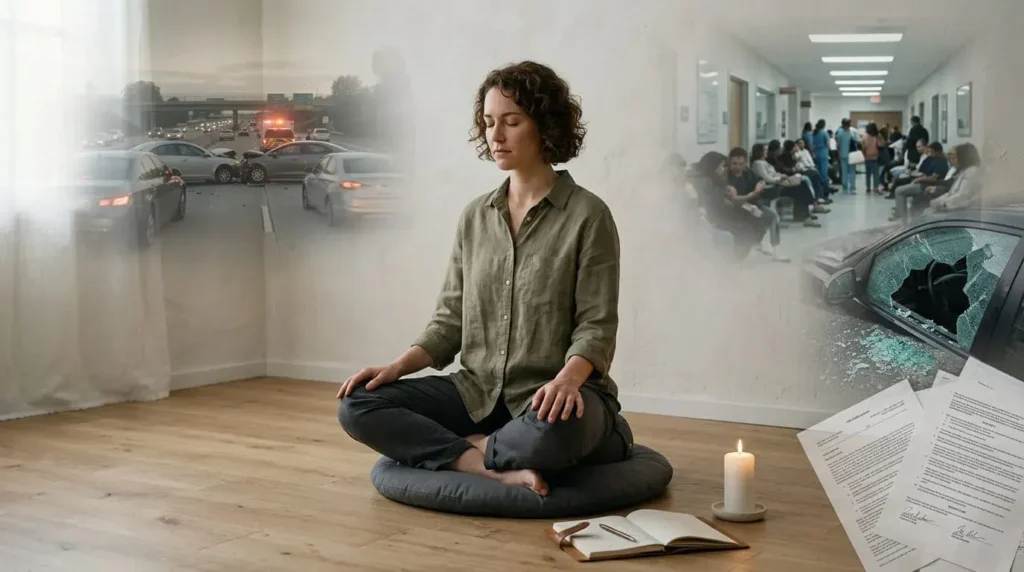
Picture someone who’s done the work. Daily meditation for years, regular journaling, a genuine commitment to living with integrity. One night someone breaks into their car. The next month, they get pulled into a legal mess that wasn’t their fault. The natural response is some version of – “Wait, I’m doing everything right. Why is this happening?”
That gap between what spirituality promised and what life delivered is where a lot of people lose faith in the practice entirely. They shouldn’t. The practice wasn’t wrong. The expectation was.
When Spiritual Thinking Meets Real-World Problems
Life events tend to ask for two responses at once, not just one. There’s what needs to happen externally – the practical, sometimes urgent action the situation demands. And there’s the quieter internal work – the reflection that comes later, once the immediate crisis has settled.
Spiritual people sometimes skip the first one and go straight to the second. That’s a mistake.
Taking Practical Responsibility First
Reflection is powerful. It’s also not a substitute for action. Getting robbed, dealing with a false accusation, showing up to something legal that you didn’t ask to be part of – these are situations where sitting cross-legged isn’t the move. Not first, anyway. When something needs to be dealt with in the physical, practical world, you deal with it there. Trying to handle a lawsuit through meditation alone is how small problems turn into much bigger ones.

In such cases, consulting a qualified criminal attorney can help you understand your rights, navigate legal complexities, and ensure that the situation is handled correctly. None of the inner work disappears – you can still reflect, still stay centered through whatever’s happening. But the practical support matters too, and the sooner you bring it in, the fewer regrets you tend to collect on the other side.
Looking Inward Without Blaming Yourself
Once the outside situation is handled, there’s room to sit with the inside one. And this part gets misread a lot. It’s not an invitation to dig around for some hidden frequency you were putting out that supposedly brought this on – that whole frame tends to end in self-punishment rather than clarity. The useful work is quieter. You look at what actually happened, you notice what you saw and what you missed, and you get curious instead of prosecutorial.
Were there signs in the weeks before that you chose not to read? Were there reflective questions worth asking about the people you’d given access to, or the risks you’d grown too comfortable ignoring? Nothing here is about assigning yourself the blame. It’s about letting the experience teach you something before it fades into just another bad memory.
Different Ways People Interpret the Law of Attraction
The strict version of it holds that every single event traces back to your thoughts and energetic state. No exceptions. On a good day that sounds empowering – you’re writing your reality, top to bottom. But follow the logic where it goes and it gets ugly fast. A cancer diagnosis becomes something the patient secretly manifested. A sexual assault becomes a frequency mismatch. Most people spouting this view haven’t sat with its implications. It’s bypassing wearing different clothes.
A steadier reading is that your inner state shapes plenty of things without shaping all of them. Where you have agency, you have real influence – on your behavior, your choices, how you respond when something lands on you. Outside of that, other people make their own decisions, systems grind on whether you’re watching or not, and plain randomness keeps doing what randomness does. Most of what you own is the response, not the event.
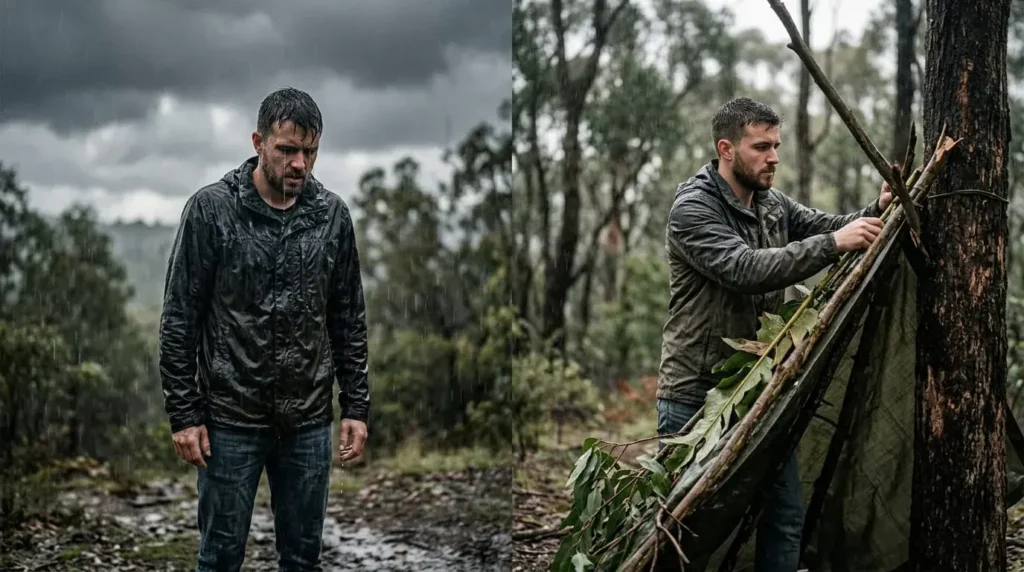
The skeptical view goes further and treats most life events as largely independent of mindset. Even here, though, there’s surprising overlap with the spiritual perspective on one point – how you interpret and respond to what happens matters enormously. Your inner state doesn’t dictate the weather. It does shape whether you get drenched or build a roof.
Growth Through Contrast
Comfort rarely teaches you much. The people who’ve grown the most, the ones with real depth – most of them didn’t get there through a pleasant, uninterrupted life. They got there through contrast. Through loss and failure and experiences that forced them to become someone different on the other side.
Hard stretches tend to do a few things at once. Your resilience thickens, partly because you find out firsthand that you can survive more than you thought. Boundaries get clearer too – the fuzzy ones you’d been getting away with stop holding once real pressure lands on them, and you stop being fuzzy about them after that. Somewhere in the middle of all of it, your sense of yourself shifts. The version of you that shows up in a crisis is rarely the one you were performing before the crisis hit.
None of this makes suffering good. It just means suffering, when it comes, isn’t purely wasted. Hard experiences, approached with some consciousness, often become the turning points people look back on with something closer to gratitude than resentment. Not because they enjoyed them – but because they grew through them.
A Balanced Approach to Spiritual Living
Mature practice doesn’t pull you out of the mess of being alive – it drops you more fully into it. You’re just engaging with it more awake than before. There’s reflection, sure, but there’s also action when action is what the moment wants. Staying centered doesn’t mean staying passive. If someone’s coming at you, you deal with it. The inner work and the outer response aren’t competing – they’re feeding each other.
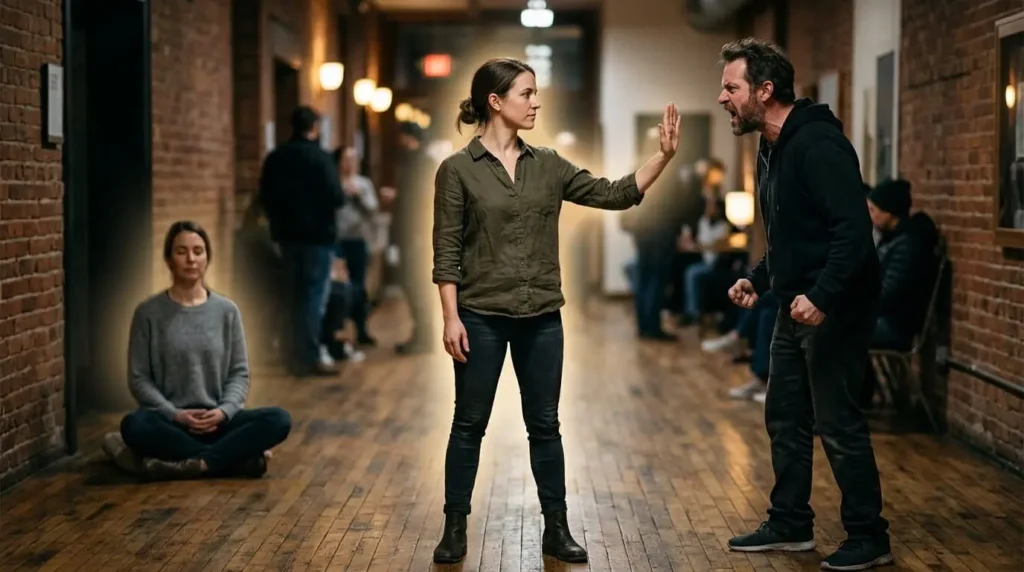
One version of this goes wrong through spiritual bypassing – where meditation, forced positivity, or “trusting the universe” becomes a way of not actually looking at what’s happening. Picture someone in your life treating you badly over and over. The response isn’t to send more love and light while continuing to absorb the damage. A real boundary, with real weight behind it, is what the situation needs. If your spirituality can’t hold a line when a line is called for, it’s not really spirituality anymore. It’s just avoidance with a better vocabulary.
The failure mode on the other end is pure reactivity – handling every situation through stress, anger, and unconsidered action. That’s also not wisdom. It’s just noise.
Middle ground is where real growth lives. Act when action is needed. Reflect when reflection is useful. Know which moment calls for which response.
The Real Role of Spirituality in a Difficult Life
Spirituality isn’t a shield. The closer metaphor is probably a compass – not something that keeps the storm away, just something that helps you know which direction you’re facing while you’re in the middle of it. What a real practice changes is you. How you carry yourself when things are bad. How long you stay down after getting knocked over. How much meaning you manage to pull from experiences that, at the time, looked like nothing but noise.
That’s a quieter promise than “your thoughts create your reality.” It’s also far more reliable. And far more honest about what spiritual practice can actually do.
Conclusion: You’re Not Meant to Avoid Life – You’re Meant to Grow Through It
Spiritual practice, such as working with your chakras, practicing meditation, or any other form of spirituality, can change how your mind works, how your emotions move, and how you relate to the whole texture of your life. What it won’t do is pull you out of the human condition. The unexpected still happens – good things you didn’t see coming, losses you weren’t braced for, events that refuse to make sense until years later. That’s not a flaw in the practice. That’s just what being alive has always looked like.
The work isn’t to avoid them. The work is to meet them with both clarity and responsibility. Take action when action is called for. Ask for help – practical, legal, emotional, whatever the moment needs. And once the dust settles, reflect. Look for what the experience was quietly teaching you.
Real growth here isn’t about dodging the hard parts. It’s about moving through them with enough awareness, strength, and purpose that you come out on the other side more recognizably yourself than you were going in.
Frequently Asked Questions
Frequently Asked Questions About Expression and Throat Chakra
Can a strong spiritual practice actually prevent bad things from happening?
Not the way a lot of people are hoping when they ask this. Consistent practice changes how you see things, how you respond, how fast you get back on your feet afterward – but it doesn’t wrap your life in a protective layer. Plenty of deeply aware people still go through accidents and losses and situations that genuinely aren’t fair. The practice shifts your relationship to what happens, and the meaning you’re able to pull from it.
If the law of attraction is real, why do good people still experience tragedy?
Because even if you take the law of attraction seriously, it’s only describing one layer of what’s going on. Other people make their own choices. Systems you didn’t build still affect you. Random events happen for reasons that have nothing to do with your frequency. A more grounded reading of the whole idea says your inner state has real influence on your life without claiming it’s the sole author of every event in it.
Is it wrong to seek legal or professional help instead of handling problems spiritually?
Opposite of wrong – it’s the responsible move. Real-world problems want real-world responses, and there’s no spiritual version of a good attorney or a good doctor. Reflection has its place, but it sits alongside the practical work, not in front of it. Reaching for spirituality as a way to avoid dealing with something that needs to be handled is just bypassing, not growth.
What is spiritual bypassing and how do I know if I’m doing it?
Spiritual bypassing is what it looks like when spiritual language gets used to avoid dealing with hard emotions, conflicts, or responsibilities that actually need your attention. It sounds like smoothing over legitimate anger with “just send them love.” Or waving off a warning sign because “everything happens for a reason.” Or not setting a necessary boundary because you’re trying to look evolved. If the practice is helping you check out of your own life instead of showing up to it, that’s the tell.
How do I reflect on a hard experience without blaming myself for it?
Keep responsibility and fault on separate shelves. You can ask what patterns were showing up, where a boundary could’ve been firmer, what the whole thing might be pointing you toward – those questions are about your own growth on the other side of it. They’re not a verdict that you caused the event. A useful signal: if the reflection is leaving you feeling ashamed rather than clearer-headed, it’s slid into self-blame and it’s time to stop.
Does difficulty really lead to growth, or is that just a way to justify suffering?
Not on its own, no. Plenty of suffering just leaves people more bitter than it found them. What makes the difference is what you do with the experience afterward – whether you’re willing to sit with it honestly, get the right support around you, and let it actually change something. Hard events met that way tend to become turning points. The same events buried or explained away tend to turn into baggage you’re carrying years later. Either way, the event itself wasn’t the decisive thing. The work you did or didn’t do was.
Blog Categories:
About the Author: