

Discover the difference between cacao and cocoa. Learn why raw cacao powder is nutrient-dense, how to use it, and why it matters for your health.
Everyone talks about cacao and cocoa like they’re the same. They’re not.
Nutrients matter – if that’s something you pay attention to.
Cacao and cocoa both come from the same plant. That’s where the similarity ends. After harvest, they split completely. Understanding the distinction between cocoa powder and unsweetened cacao powder can help you make more informed decisions about what to add to smoothies, baking recipes, and everyday wellness drinks.
This single choice shapes what your body actually receives.
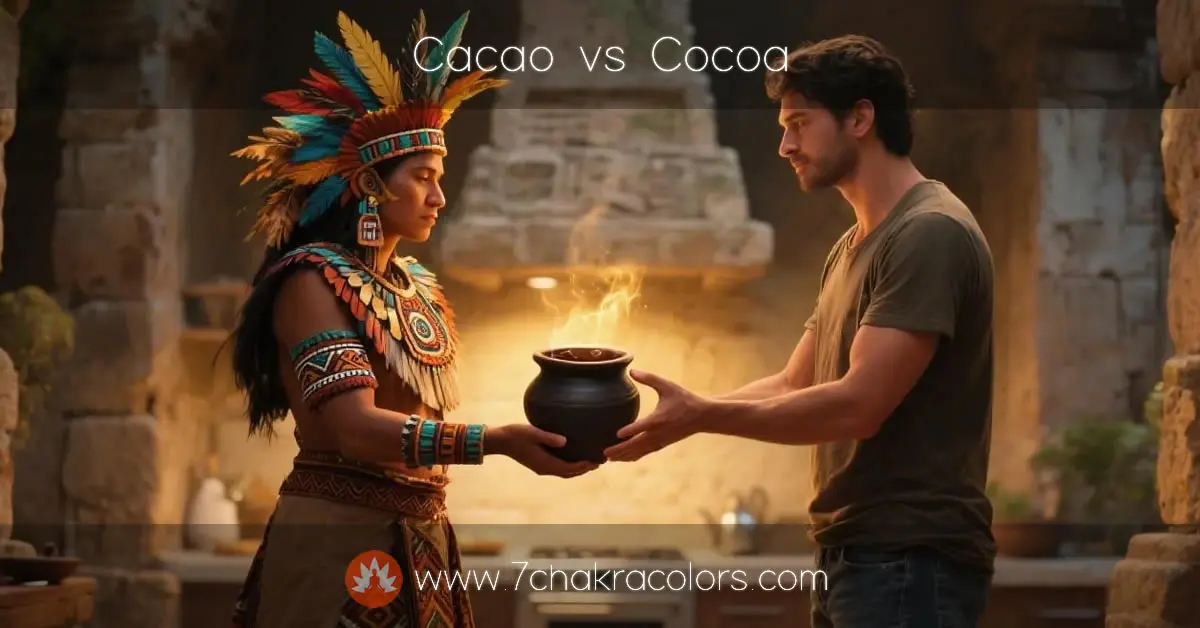
The Aztecs knew. They didn’t talk about it – they lived it. They called cacao “the food of the gods” because they understood what it did. Centuries of use, ceremonial and medicinal. The beans held enough value to use as currency.
They drank it bitter. Uncut. They respected the plant’s intensity.

What changed it: Spanish conquistadors in the 1500s brought cacao back to Europe and immediately made it sweeter, softer, easier to swallow. Then industrialization hit in the 1800s. Processing became aggressive. Cacao got unrecognizable. Heat went up. Nutrients went down. The whole purpose flipped from medicine to merchandise.
Raw unsweetened cacao powder now is closer to what they used than anything sitting in a modern chocolate bar.
This is the fork in the road.
Cacao powder starts with raw beans treated gently – cold-pressed or minimally touched. Low temperatures. The nutrients stay. That’s the whole goal.
Cocoa powder gets roasted hard, sometimes hitting 300°F or higher. The heat destroys subtle compounds your body wants. Faster to make. Cheaper. Sits on shelves longer. Less nutrition though.
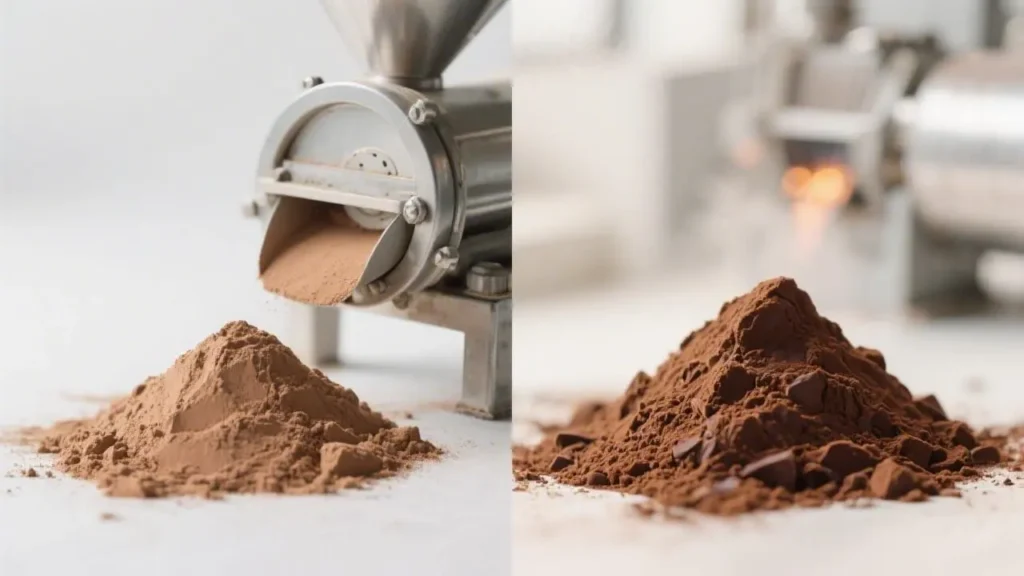
Picture fresh juice straight from the press versus the concentrate version. Both taste vaguely like juice. One is actually alive. The other’s just reconstructed.
Raw cacao contains compounds that high heat destroys.
Flavonoids – These plant antioxidants help manage the oxidative stress your body faces from pollution, processed food, general living. Cacao is one of the densest sources. Heat cuts the amount in half or worse.
Magnesium – Runs your muscle relaxation, nerve signals, and stress responses. Cacao delivers it naturally. Most people are low on magnesium anyway. Cocoa still has some, just less than raw cacao.
Iron – Blood needs it to carry oxygen. Cacao provides it in a form your body can actually use. Heat changes that.
Polyphenols – Another antioxidant that breaks down in high temperatures. Raw cacao keeps more.
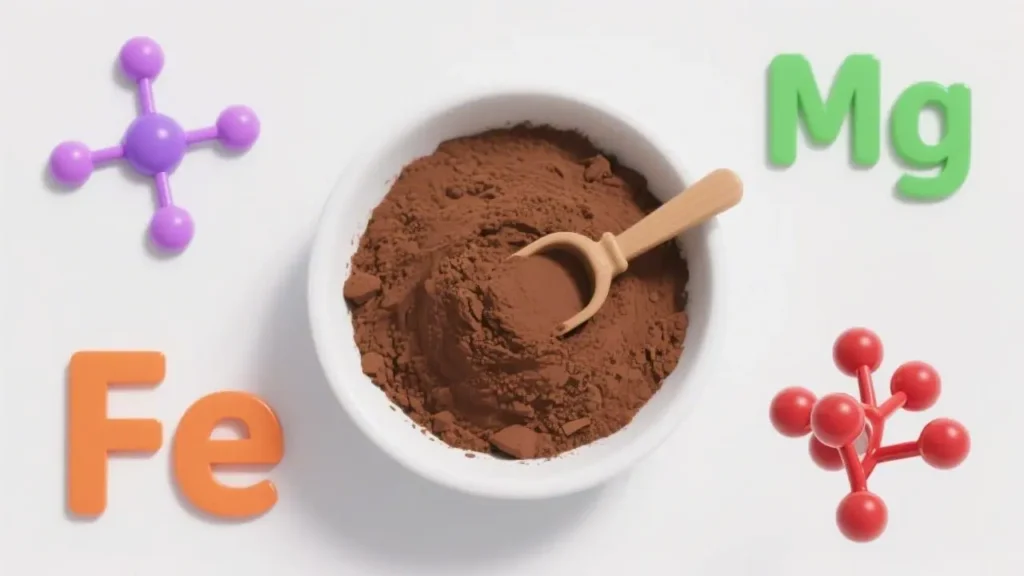
Processed cocoa retains some nutrients, but diminished. Commercial cocoa products add sugar, vegetable oils, and thickeners too. You’re not buying food anymore – you’re buying a product. Some people layer in additional support like hydrolyzed collagen peptides in their cacao-based recipes as part of a balanced approach to phytonutrients and protein intake.
With unsweetened cacao, you control the whole equation. No hidden sugars. No weird fillers. Just powder.
The Aztecs grasped something. Ritual and nutrients aren’t separate. Cacao wasn’t consumed. It was felt – the bitterness, warmth, aroma. The entire experience mattered.
Modern people using cacao with intention – meditation, morning ritual, mindfulness – report something shifts. It’s nothing like eating chocolate. The complexity demands your attention. You can’t zone out through it.

Some brew what’s called a “ceremonial cacao drink” – warm, unsweetened, made with purpose. Others weave it into yoga or movement work. The nutrient density somehow connects to the pace of slowing down.
Not magic. When you eat intentionally, digestion changes. Nutrient absorption improves. Your nervous system responds differently. The difference: taste something deliberately versus swallowing on autopilot. Your body processes those two experiences in totally different ways.
Start with the simplest path: add a teaspoon to whatever you’re making.
In smoothies: Pair it with berries, nut butter, plant milk. You get chocolate flavor without any sugar crash. One teaspoon delivers both antioxidants and magnesium.
In overnight oats: Combine oats, chia seeds, plant milk, cacao powder – then let the fridge do the work overnight. Morning comes with stable fiber, healthy fats, antioxidants all waiting.
In baked goods: Muffins, pancakes, bread all work. Because it’s unsweetened, you’re in control of sweetness – dates, banana, or honey. Every ingredient visible. You see what’s actually happening.
As a drink: Cacao, hot water, honey or maple syrup, salt. Want more depth? Add cinnamon or cayenne. The bitterness stops being something to mask – it becomes worth exploring.

One non-negotiable: water. Hydration moves these nutrients through your system. Skip the water and absorption stops. Cacao doesn’t work in isolation. It needs water as a partner.
This isn’t about wellness trends. It’s about feeding your body what it needs instead of what gets marketed at you.
The commercial cocoa industry profits when you buy sweetened packets. Convenience. Zero effort. Quick mixes. Raw cacao demands something different. You blend it. You sweeten it deliberately. You actually engage with what you’re consuming.
That friction – that resistance – is the whole point. Real food doesn’t pretend to be effortless.
The cacao vs cocoa difference matters if you want more antioxidants, more magnesium, less hidden sugar in your life. Raw cacao contains compounds that processing destroys. That’s not marketing spin. That’s basic chemistry.
Actually yes. When you process cacao cold, it keeps more flavonoids, magnesium, polyphenols. High-heat roasting destroys those compounds in cocoa. Most commercial cocoa includes added sugar too. If nutrient density is your goal, unsweetened cacao wins that comparison.
Substitution works fine – people won’t notice flavor-wise in baking. Trade-off: you’re getting fewer nutrients and possibly hidden sugar. Want antioxidant benefits? Unsweetened cacao delivers more.
One or two teaspoons is the standard amount. Gets you magnesium and antioxidants without caffeine overload – raw cacao has significantly less caffeine than coffee. Sensitive to stimulants? Stick with one teaspoon, or use it earlier in the day.
Yeah, it does – roughly 12-26mg per tablespoon depending on quality and source. Compare that to coffee and you’re looking at about a quarter of the dose. Most people tolerate it fine even at night. If you’re caffeine-sensitive, mornings are safer.
Higher-quality raw cacao costs more upfront than budget cocoa powder. But spread it across time – a pound lasts months – and you’re spending less than a daily coffee habit. You’re getting actual nutrients, not empty flavor.
Absolutely. Warm 1-2 tablespoons raw cacao powder with hot water. Add honey or maple syrup and sea salt. Stir. Cinnamon, cayenne, or vanilla work too. The goal: slow down and taste it on purpose rather than rushing through.