

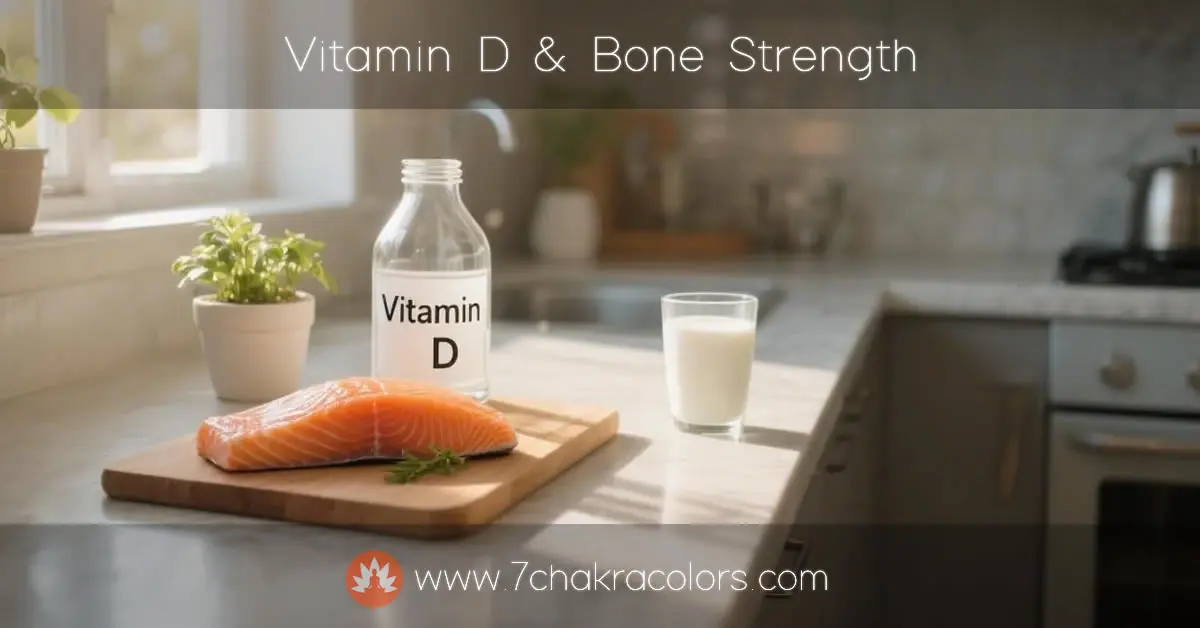
Boost bone strength with vitamin D. Learn sources, dosage, deficiency signs, and how to optimize your levels for better bone health and fracture prevention.
Your skeleton is constantly breaking down old bone and building new bone in its place. It happens all the time – you just don’t feel it. Nobody does. That’s the normal cycle.
But when vitamin D runs low, that whole system fails. Bones soften. Minor falls cause breaks. You end up confused about what went wrong.
The issue is most people are deficient. They have no clue until something snaps.
Calcium is the building block. But your intestines can’t grab it without vitamin D. That’s the core problem.
You could consume as much calcium as you want – milk, cheese, supplements. Your bones still won’t absorb it without enough of this nutrient. It’s that straightforward.
Most people focus entirely on calcium intake and ignore everything else. They think more dairy solves bone problems. Spoiler: it doesn’t, not without the supporting nutrient. This is where vitamin d for bone health supplements come in. If you’re not getting enough vitamin D from sunlight or food, a daily supplement becomes the practical solution. It fills the gap your diet and environment can’t cover.
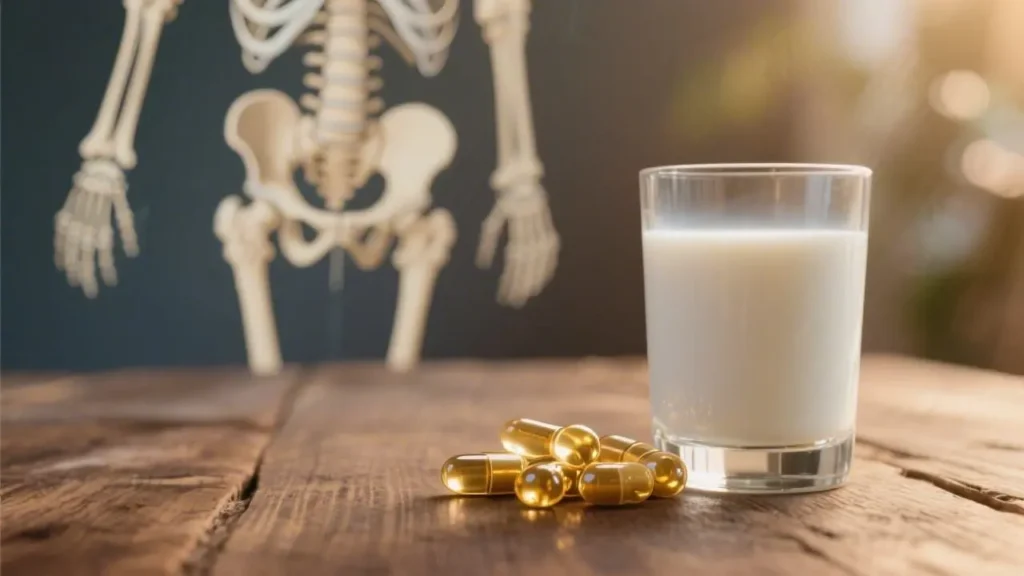
Then there’s bone remodeling – that constant process where old bone gets removed and new bone is built. Every day, behind the scenes. Vitamin D controls that efficiency. Skip it and repairs pile up instead of happening.
In children, it causes rickets – bones become soft and deformed. Adults develop osteomalacia or osteoporosis instead – bones get fragile and break from minor impacts. Both conditions feel similar: constant aches, weak muscles, and fractures that shouldn’t happen.
Prevention is worth the effort now.
Three sources: sun, food, supplements. That’s it.
Sunlight is the easiest source. Your skin produces it when UVB rays hit you directly. Problem is most people don’t get enough exposure – either the weather doesn’t cooperate, work keeps you inside, or your skin type just needs longer in the sun to generate the same amount.
For most people, sunlight alone doesn’t cut it. Food and supplements become necessary.
Food sources: Fatty fish carries the most – salmon, mackerel, sardines all pack it naturally. Fish liver oils follow. Then egg yolks, beef liver, cheese. The amounts vary though. What’s in one egg yolk isn’t the same as another depending on what that chicken ate.
Fortified foods help fill the gap – milk, orange juice, cereals are all fortified. These exist because regular food doesn’t provide enough for most people. Without fortification, you’d be short.

Supplements are the reliable third option. They come as tablets, capsules, liquids, gummies – multiple forms so you can pick what works with your routine. This matters because consistency matters.
Several variables matter here – age, skin type, climate, diet, absorption capacity. The standard recommendation for adults is 600-800 IU per day. People who are older, have darker skin, spend most hours indoors, or have absorption problems generally need 1,000-2,000 IU or more.
Don’t rely on guesswork. Get a blood test – under $100 and it shows exactly where your levels stand. From there you can make an informed choice about supplementation.
Things actually change. Your bone density goes up. Fractures become less likely. Measurable stuff.
Your immune system gets a boost. Chronic inflammation starts dropping. Your mood actually improves – this nutrient affects how your brain makes serotonin. Some studies suggest it lowers heart disease risk and certain cancers, though nothing’s guaranteed there.
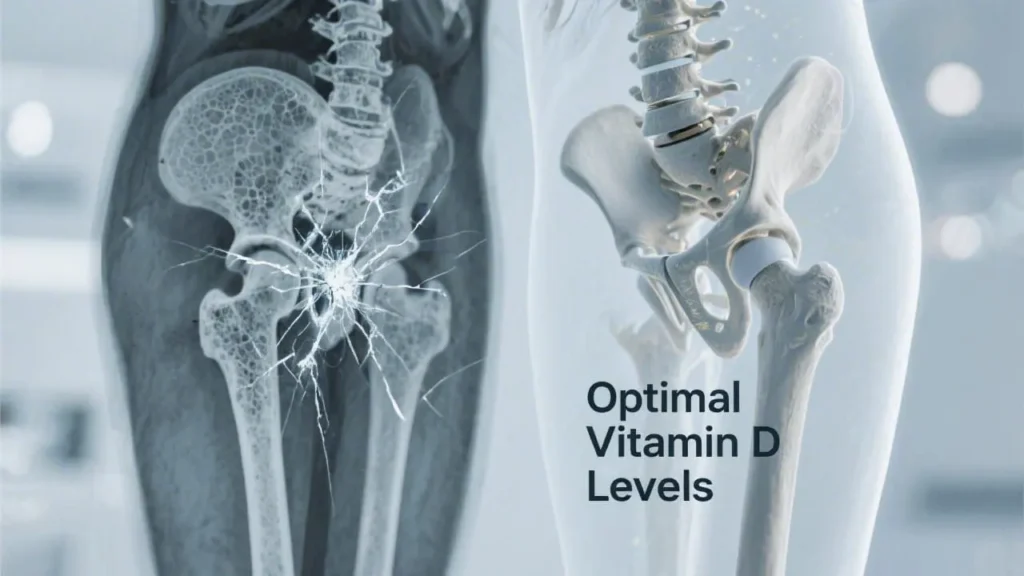
On the bone front specifically: that remodeling process runs smoothly. Old bone gets cleared out, new bone builds up, damage gets fixed. You don’t feel it happening. But ten years later, when someone your age breaks a hip from a minor fall and you don’t? That’s what’s different.
What works depends on your circumstances.
If you’re getting regular sun: Aim for 10-30 minutes a few times weekly on exposed arms and legs. Straightforward. No cost. Done.
If sunlight isn’t consistent: Eat fatty fish twice a week – salmon is your best bet. Interested in extra coverage? A supplement fills that gap.
If you’re already supplementing: Don’t wing the dosage. Have your levels tested. Once you see actual numbers, you can adjust based on data rather than assumptions.
Also worth noting – magnesium and vitamin K pair well with vitamin D. If you’re addressing one, consider the others.
Bone density peaks in your 30s. After that you’re losing it, year by year. You can’t get back what’s gone. What you can do is slow the loss and prevent the really bad stuff.
Whether you’re in your 20s building density while you can, or in your 50s holding onto what you have – start now. Not next year.
A broken hip at 70 isn’t just an inconvenience. It means lost independence. Chronic pain. Mobility you never fully get back. It’s preventable though. You just have to start years in advance.

Test your levels. Know what your bones are actually working with. Adjust sun time or supplements based on real data. Find a doctor or nutritionist who’ll track whether your approach is actually working. The same way people use castor oil scalp treatment for hair health alongside other wellness practices – vitamin D works best when part of a broader strategy that includes exercise, proper nutrition, and regular monitoring.
Your skeleton is either getting stronger or weaker. Right now it’s probably somewhere in the middle. Vitamin D decides which direction you go. Choose wisely.
D2 comes from plants and fortified stuff. D3 comes from animal sources and directly from your skin in sunlight. Your body uses D3 way more efficiently – it’s the stronger option. If you’re buying a supplement, D3 is what you want.
No. Your skin has a built-in governor – once you’ve made enough, it stops. Too much sun will wreck your skin and increase cancer risk, but you can’t overdose on vitamin D from sunlight alone. Supplements and food are where you can actually take too much.
If you’re deficient, it takes several weeks to normalize levels. Actual bone density improvements take longer – typically 6-12 months of consistent supplementation shows up on a scan.
Test it. A blood test runs under $100 and gives you concrete numbers. You’ll see if you’re deficient, borderline, or adequate. After that, supplementation decisions become straightforward instead of random.
Somewhat. Up to age 70, most adults need around 600-800 IU daily. After 70, that increases to 800-1,000 IU. Individual needs vary though depending on ethnicity, regional sunlight, and digestive factors. Your doctor can determine your specific requirement.
It does. Winter sun is too weak to trigger much production. People in northern climates make almost nothing during winter months. Summer helps you store some, but nobody gets enough year-round from sun alone – food or supplements become essential for most people.