

Wellness Trends in Learning Spaces for Focus & Mental Clarity
Learn calming routines students use in libraries and lounges: from breathwork to meditation and sound cues. Explore wellness trends 2026 for your next semester.
Table Of Contents
Campus Life, Stress, and Study Environments
Campus life is loud in a way your brain can feel. Study rooms fill up fast, group chats never sleep, and even “quiet” spaces come with background noise. Students are reacting by following health trends that fit inside real schedules.
A lot of this shift is happening right where learning happens: libraries and study lounges, plus the in-between minutes before class. When you can calm your nervous system in those places, you study with less friction and recover faster after stress. However, when the workload is simply unrealistic, an option to pay for research paper writing can also save a lot of students from stress. Add to it a couple of wellness practices, and you’ll see how your quality of life elevates immediately.

Health and Wellness Market Trends Moving Onto Campus
Wellness is moving closer to students because the bigger trends favor short, repeatable habits. You can see it in campus programming, pop-up events, and the rise of study wellness content that treats focus as something you can train. The market language is new, but the need is old: your brain learns better when your body feels steady.
You can also spot the shift through wellness marketing on campus. Flyers for breathwork sessions sit near tutoring boards. Student clubs host guided meditations in classroom buildings. Libraries run stress-reset weeks during exams, and some professors start seminars with a quiet minute.

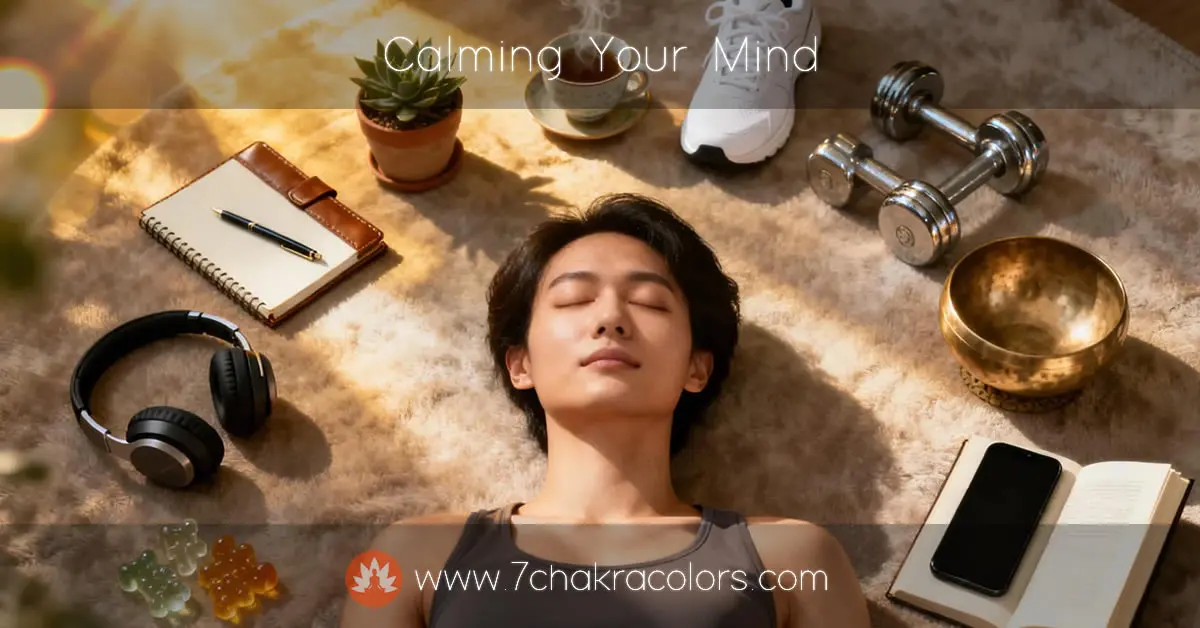
Michael Perkins, one of the essay writers from EssayWriters, describes five trends students keep using inside learning spaces:
- Breathwork: fast nervous-system reset before work starts
- Energy Work: grounding routines with a spiritual vibe
- Meditation: short attention training, often guided
- Sound Healing: audio cues that start and steady study sessions
- Somatic Movement: small motions that release screen tension
Let’s explain each of them in detail.
Breathwork: Two Minutes That Change Your Day
Breathwork works because it is discreet. Try a longer exhale: inhale for 4, exhale for 6, repeat for 10 rounds. Your body often softens, and your thoughts slow down enough to begin. Use it as your “start button” before you open your notes.

If you freeze at the first sentence of an essay, do one minute of breathwork, then write a messy draft line to get moving.
Energy Work: Grounding That Feels Personal
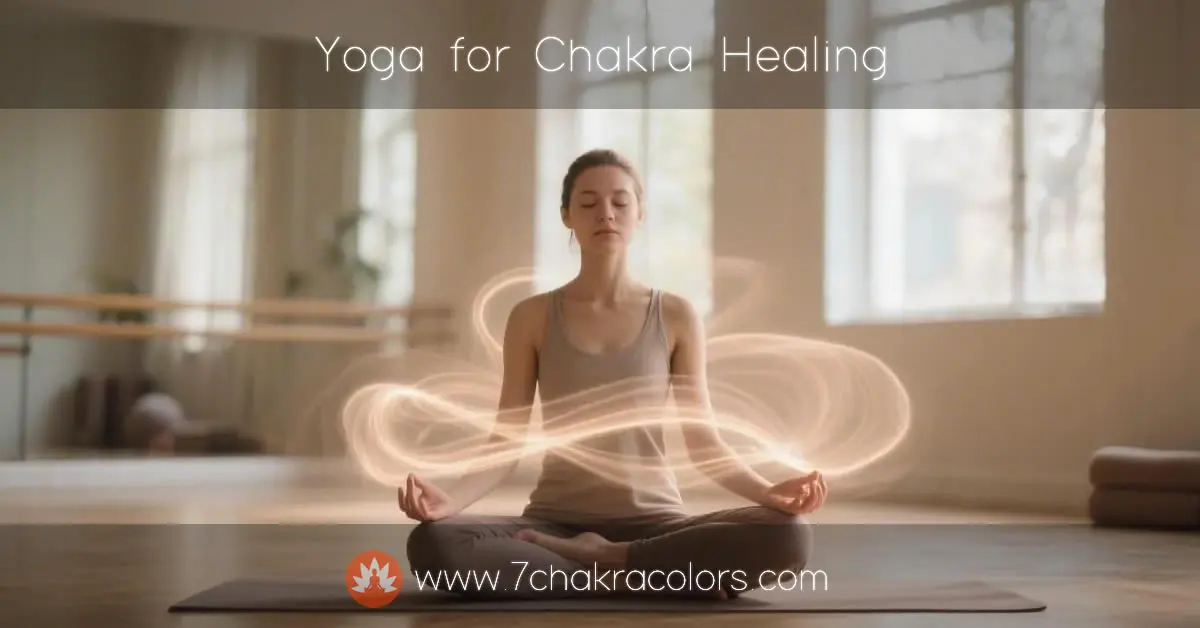
Energy work is trending in a low-key way: quick visualizations, hand-on-heart grounding, and chakra-inspired intention setting. If you want a spiritual routine, pick one focus point before you study:
- Root: feet on the floor, steady posture
- Solar Plexus: one clear goal for the next 25 minutes
- Third Eye: reduce visual clutter, one tab, one task
These wellness practices help because they give your body a cue: you are safe, you are here, you are working. It is also a gentle way to reclaim attention when your mind keeps scanning for threats, even when you are simply sitting at a desk.
Meditation: Attention Training for Busy Minds
Students are choosing short sessions over long sits. A simple option is a 2-minute anchor. Focus on one sensation, like breath at the nose. Each time your mind jumps, return. That return is the skill you need for deep reading and writing-heavy tasks.

Meditation also helps with stress. Try it right after a tense class, a presentation, or an awkward group meeting so you do not carry that energy into your next study block.
Sound Healing: A Cue Your Brain Learns Fast
Sound baths and singing-bowl clips are common in dorms and study rooms, but you can keep it simple. Pick one “opening sound” you only use for studying, then keep the volume low. Over time, your brain links that sound with focus.
For many students, these are wellness trends that actually work because they add structure without adding decisions. The audio becomes a boundary that helps you settle in and return after a distraction.
Somatic Movement: A Reset For Screen-Tired Bodies
Long study blocks trap tension in your neck, shoulders, and wrists. Somatic movement fixes that with slow, gentle motion. Do 30 seconds of shoulder rolls, a wrist stretch, and a slow forward fold. If you are in public, stand and shift your weight side to side.

This matters in learning spaces because your body affects recall. When you feel cramped, your brain gets jumpy. A tiny movement reset can keep you present long enough to finish the hard part.
How to Maintain Healthy Lifestyle Routines
Trends fade when your week gets messy. The goal is a routine that survives late classes, odd meal times, and exam stress. Think portable habits you can repeat anywhere, even on your lowest-energy day.
Use these tips to keep a healthy lifestyle:
- Build a 2-Step Study Opening. Do one breath pattern, then write one sentence that names your goal. Keep it specific, like “outline section two” or “solve five problems.” Clear targets cut the urge to wander.
- Add a Mid-Session Reset. Every 25 to 45 minutes, stand up, drink water, and do five slow breaths. This protects your attention and reduces the end-of-day crash that shows up after long screen time.
- Choose One Calm Cue. Keep one consistent signal, like a playlist you reserve for studying, a tea ritual, or a color you place near your laptop. Small cues shape your mood quickly, especially when you study in new rooms.
- Make Sleep Easier When Life Gets Busy. Pick one nightly action: set your bag by the door or do a 1-minute body scan in bed. The goal is a smoother morning, not an ideal schedule.
- Track One Signal for a Week. Watch one result: faster start time, fewer doomscroll breaks, steadier mood, or better recall. This keeps you honest about what helps, and it stops trends from turning into performance.
Your Calm Focus Routine, In Two Minutes
What are the latest wellness trends? On campus, they look less like big lifestyle makeovers and more like small, repeatable focus rituals you can do between classes. Breathwork before you open your laptop. A quick grounding cue when your mind spirals. Two minutes of meditation when your energy drops. Add sound healing or a short movement reset to stay comfortable at your desk. Treat these habits like study skills. Try one for a week, then keep the ones that help you concentrate.
Frequently Asked Questions About Wellness Trends on Campus
Why are wellness trends becoming so popular on college campuses?
Many students are dealing with constant noise, academic pressure, and packed schedules. Short wellness practices fit into real campus life and help students manage stress without needing extra time or special spaces.
Can small practices like breathwork really improve focus?
Yes. Even a minute or two of breathwork can calm the nervous system and make it easier to start studying. It helps reduce mental friction so students can focus sooner and stay engaged longer.
Are these wellness habits realistic during busy exam weeks?
That is exactly when they are most useful. These habits are designed to be portable and flexible, so students can use them between classes, in libraries, or during short breaks without disrupting their study flow.
Do students need special training to try meditation or energy work?
No. Most students start with very simple techniques, like short guided meditations or basic grounding cues. The goal is not perfection, but creating a calm mental state that supports learning.
How does sound healing help with studying?
Sound cues give the brain a consistent signal that it is time to focus. Over time, students associate certain sounds with studying, which helps them settle in faster and return to focus after distractions.
Why is movement important during long study sessions?
Staying still for too long builds physical tension, which can make the mind restless. Small, gentle movements release that tension and help students stay present and mentally sharp.
What is the easiest way to start a calm focus routine?
Start with one habit you can repeat anywhere, like a short breathing pattern or a consistent study sound. Try it for a week and notice whether it helps you begin tasks faster or feel steadier while working.
Blog Categories:
About the Author: