

When Physical Trauma Affects Spiritual Balance: Holistic Healing After a Nursing Home Injury
Discover holistic healing approaches after nursing home injuries. Learn how to restore spiritual balance, address energy imbalances from trauma, and find peace through grounding practices, energy work, and accountability.
Table Of Contents
When someone you love gets hurt, the damage doesn’t stop at skin level.
Physical trauma – it carries weight that goes way beyond the body. Ripples through your feelings, your thoughts, the entire energy field you’re living in. For families watching their elderly relatives suffer an injury in a nursing home, that shock leaves marks. In your heart, yes. But also in your spirit.
The experience brings this mix of sorrow and confusion, and anger that just sits there under your skin. Questions won’t leave you alone. How does this happen in a place that’s supposed to be about care and safety? That kind of turbulence pulls even grounded people off center.
Especially when trust breaks.
But healing’s still possible. The path forward starts with acknowledging something most people miss – body and energy are linked. When one gets hurt, the other’s seeking repair. Healing means tending to both the visible wounds and those unseen fractures inside.
Understanding the Energy Imbalance of Trauma
Every experience leaves its mark on your energy body.
When fear or loss or sudden shock hits, that current knots up. Scatters. You might feel heavy, numb, or strangely restless – like your body itself is keeping the memory stored somewhere.
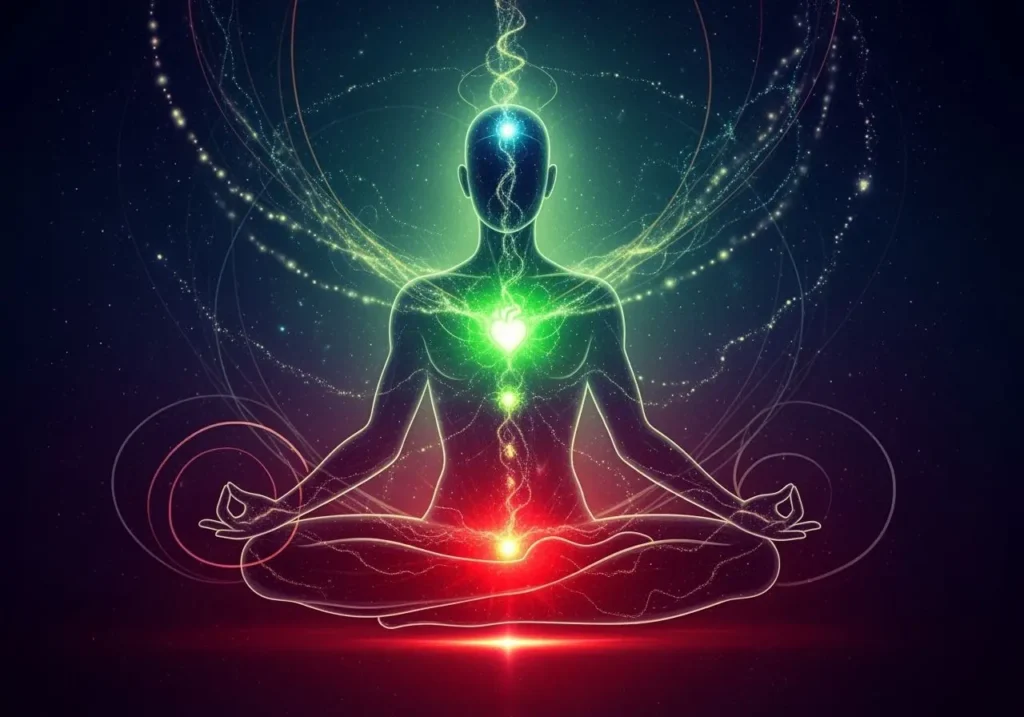
In energetic terms, trauma messes with your root chakra. That’s the center holding your safety and stability. When the base wobbles, everything above it starts trembling. Sleep falters. Your mind races. Emotions swing between numbness and anger.
Your heart chakra bears most of the strain – holding that ache of worry and grief. These imbalances echo the uncertainty that follows a physical event.
Awareness is the first repair.
The moment you notice how trauma actually feels in your energy, you can see where care’s needed. These practices help your body loosen that protective grip it’s got going:
- Slow breathwork – even five minutes makes a difference
- Time outdoors – trees, sky, water
- Gentle meditation – nothing fancy, just sitting quietly
Space opens. Calm starts coming back.
The Hidden Toll of Nursing Home Injuries
When an older adult falls, the risk isn’t just bruises or a broken bone.
Head injuries start subtly. Then grow dangerous over hours, sometimes days. A subdural hematoma – that’s when veins between the brain and its outer covering tear and bleed. Often happens after a fall from standing height. Nothing dramatic, just regular standing and falling.

Older adults face a higher risk because their brain shrinks with age, their veins get more exposed, and blood thinners make bleeding worse.
Early signs look like everyday aging. A headache that’s stronger than usual. Confusion. Sleepiness. Weakness on one side. Changes in speech or balance. Easy to miss if you’re not watching closely.
Care teams need to monitor after any fall.
Because missed checks and slow responses turn a survivable injury into a crisis. If a facility ignores basic safeguards – fall-prevention plans, timely neurological checks, rapid hospital transfer when symptoms show up – families end up dealing with medical fallout and deep emotional strain.
If this happens to your loved ones, seeking accountability through a subdural hematoma lawsuit for nursing home injury protects your loved one’s dignity. Presses for the standards that keep others safe. Naming what happened and taking clear steps can be part of spiritual repair.
Holistic Ways to Heal After Trauma
Physical shock and emotional shock move together. The body feels one. The spirit absorbs the other.
When your loved one gets hurt – especially in circumstances that should’ve been prevented – your nervous system stays on high alert. Long after the event’s over. Restoring calm takes intention.
Start with the Simplest Medicine
Breathe slowly. Deeply.
This signals safety to your body, eases that tension sitting in your chest, and steadies your pulse. Pair breath with grounding. Press your feet into the floor. Notice textures and temperature. Spend a few quiet minutes with trees, sky, or water.
These small practices tell your root chakra the ground can be trusted again.
Energy Work That Actually Helps
Energy work releases the residue of fear and anger. Try Reiki, sound healing, or color meditation with earthy reds and warm tones — all practical ways to achieve natural healing alongside conventional care. You can also try practical chakra techniques for post-accident recovery. Write about the experience to bring buried feelings into light. It’s also worth exploring the relationship between medical treatments and chakras — conventional and energetic approaches often work better in combination.
Expression loosens what the body grips.
Healing rarely moves in a straight line. Some days soften. Others reopen the ache. Each return to the breath is a choice in favor of recovery. It’s a quiet act that rebuilds balance from the inside out.
When Justice Becomes Part of Healing
For many families, spiritual healing gathers strength after practical steps toward justice begin.
Holding a facility accountable for neglect honors truth. Restores a sense of order. When the facts of an injury get recognized and the responsible parties must act with integrity, that inner chaos following trauma can ease.

Legal steps feel daunting when emotions are running high. But taking action lifts that weight of powerlessness. Reminds caregivers that their voices matter and that care should never be treated casually.
In spiritual terms, appropriate action steadies both the physical world and the inner one.
Letting go of resentment doesn’t mean ignoring what happened. It means choosing to heal while standing in truth. Justice, carried out with clarity and compassion, bridges accountability and peace.
Practical + Spiritual Tools for Long-Term Recovery
Recovery grows through steady, repeatable acts of care.
The nervous system settles with routine. The energy body steadies when life feels predictable again.
Movement
Gentle movement clears tension without strain. Slow yoga works. Tai chi. Mindful walking. All of these release stress while keeping your breath in step.
Short, guided meditations for the root and heart chakras rebuild a sense of safety. Soften that tightness around your chest.
Creative Expression
Creative outlets help energy move:
- Journal for ten minutes a day
- Paint without judging the result
- Hum a simple melody until the breath lengthens
Expression gives fear somewhere to go. Makes space for perspective.
Professional Support
Support from professionals adds structure when feelings are tangled. Trauma-informed counseling gives you language and tools for what your body and mind are holding.
Psychology Today explains how trauma shapes memory, mood, and your nervous system – and outlines healthy ways to recover. Helps you pair spiritual practices with actual psychological insight.
Keep the practices small and consistent. A few breaths. A page of writing. A quiet stretch.
Consistency is the medicine.
Restoring Trust, Reclaiming Peace
Trust frays when harm enters a place meant for care.
Repair begins with simple promises you can keep. Eat regular meals. Call the people who steady you. Keep a bedtime that lets your body rest. Rhythm gives the nervous system something solid to lean on.
Ritual Helps
Take a brief grounding pause before visiting your loved one. Hold a moment of gratitude after a hard conversation. Light a candle at the same hour each evening.
These small anchors remind your heart that stability can be rebuilt.
Building from the Base Up
Rebuilding a sense of safety starts at the base. Focus on grounding, boundaries, and steady routines that fortify the root.
Many caregivers find that working with the four dimensions of healing brings balance back in layers:
- Physical care
- Emotional processing
- Mental clarity
- Spiritual practice
As steadiness returns, clarity follows. A quieter hope takes root.
A Quiet Return to Center
Healing after harm rarely looks dramatic.
It shows up in small ways. The breath settles sooner. Your shoulders drop without effort. The mind softens around what can’t be changed. Some days feel steady. Others sting.
Both belong to the same arc.
When the world feels uncertain, come back to what you can hold. Stretch lightly in the morning. Drink a cup of tea without distraction. Check in gently with your loved one.
Keep tending to the body and the energy beneath it. With time, the ground feels solid again. Your heart learns to trust its own rhythm.
Blog Categories:
About the Author: