


Omega-3 and Fish Oil for Muscle Recovery and Structural Strength
Learn how omega-3 fish oil supports muscle recovery, connective tissue strength, and joint mobility. Discover why athletes and active people use it daily.
Table Of Contents
If you lift. If you work a job that demands physical output. If you’re just someone whose body carries you through demanding days – omega-3 fatty acids matter for recovery.
Fish oil isn’t some trendy supplement that came and went. Athletes have built recovery routines around it for decades. Physically active people swear by it. People with chronic movement demands – construction workers, nurses, anyone on their feet all day – they’re all reaching for it for the same reason: their bodies recover faster.
The problem is your body can’t manufacture omega-3s. Can’t create them from scratch. So they have to come from somewhere – food or supplementation. For most people, fish oil capsules are the practical answer. Consistent dosing. No planning required. No “did I eat enough salmon this week” uncertainty.
Why Omega-3 Actually Matters for Muscle Recovery
Here’s what happens: your muscles get stressed. During a workout, yes. But also during your regular day. Repetitive motion. Lifting. Standing for eight hours. Manual work. All of it creates tiny damage in muscle tissue.
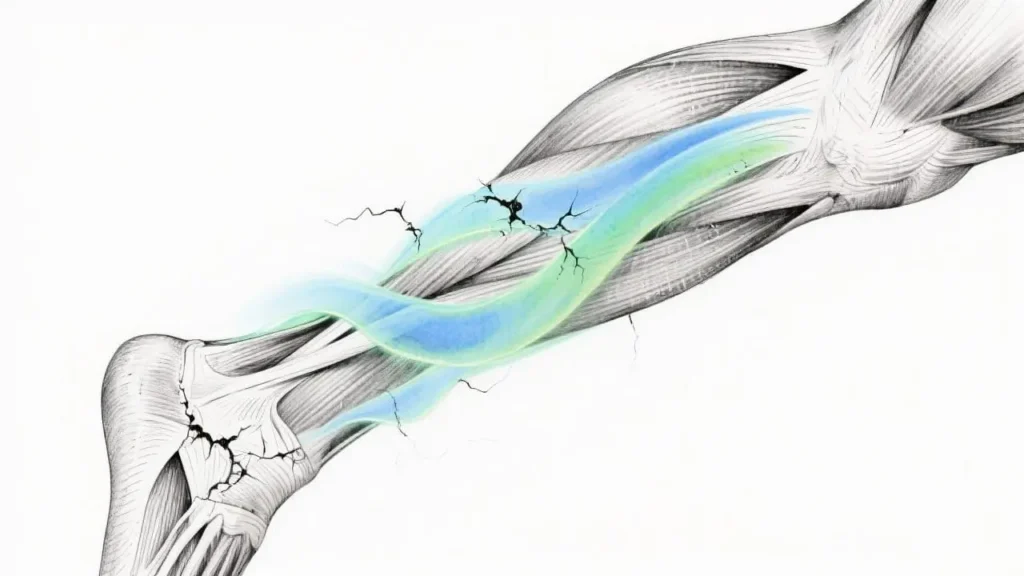
That damage isn’t a problem. It’s actually how muscles adapt and grow stronger. But the recovery part – that’s where everything either clicks or stalls.
Omega-3 fatty acids directly support that recovery process:
- They help your body regulate inflammation – not eliminate it, but balance it – so you’re not stuck in that stuck, swollen feeling
- They support the cellular repair happening inside your muscles when you rest
- They reduce that lingering soreness that makes walking down stairs painful three days after leg day
Most people who take omega-3 consistently notice the difference immediately. Less soreness. Faster bounce-back between tough workout sessions or physically demanding work. Your body just recovers quicker.
Circulation, Oxygen Delivery, and How Your Muscles Actually Function
Your muscles don’t work in isolation. They need constant oxygen flow. They need nutrients delivered. And all that metabolic waste your body produces during activity – that needs to get flushed out efficiently.
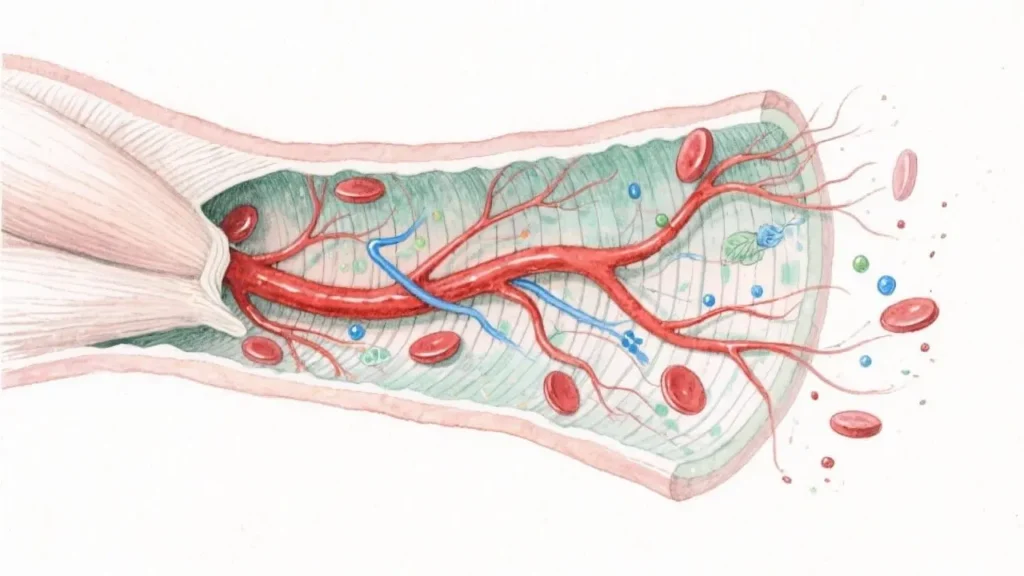
Circulation is how all that happens. Blood moves oxygen in. Nutrients follow. Waste gets carried out. When circulation is sluggish, everything slows down. Recovery suffers. Fatigue lingers.
Omega-3 fatty acids support healthy blood flow. Your vessels stay flexible. Blood moves smoothly instead of dragging. This means:
- Oxygen reaches working muscles faster
- Nutrients get delivered where they’re needed
- Recovery after physical activity accelerates
And this isn’t just for people crushing it in the gym. Manual laborers benefit. People on their feet all day benefit. Anyone engaging in repetitive movement or sustained physical effort benefits from better circulation and tissue nourishment.
Connective Tissue Support – The Part Most People Miss
Muscles work through tendons. They move with ligaments. They’re wrapped in fascia. All of this tissue – connective tissue – it enables movement. It transmits force. It stabilizes everything.
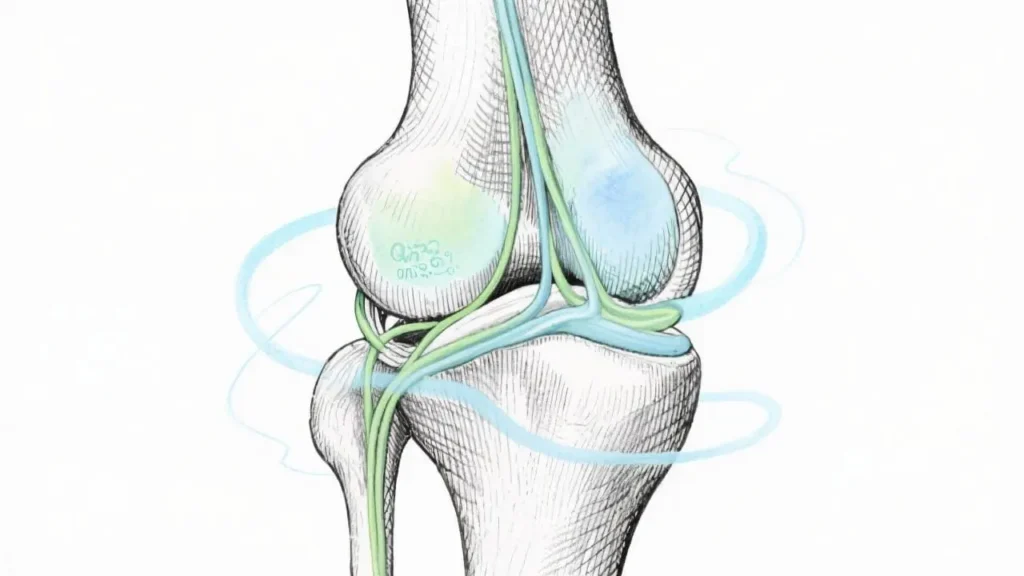
But connective tissue needs specific nutritional support to stay resilient. To not get stiff. To not break down. Omega-3 fatty acids support this by:
- Helping regulate inflammation around joints and the soft tissue connecting everything
- Supporting the cellular function inside tendons and ligaments
- Maintaining the structural integrity these tissues need for long-term resilience
Here’s what’s important though: omega-3s aren’t structural proteins themselves. They support the environment where connective tissue functions. That’s different from actually building the tissue.
This is Where Hydrolyzed Collagen Enters the Picture
Collagen is literally the structural protein throughout your entire body. Your tendons are made of it. Your ligaments. Fascia. Cartilage. Even the sheath surrounding your muscles. Collagen provides the strength. Collagen provides the elasticity.

Collagen broken down into smaller peptides, such as hydrolyzed collagen powder, is much easier for your body to absorb and actually use. When you include it in your nutrition, it directly supports:
- Connective tissue staying intact and strong
- Joint structure and muscle support
- Tissue resilience over the long term
Unlike omega-3s which work on cellular function and inflammation, collagen is the raw material your body needs to actually rebuild connective structures.
Omega-3 and Collagen: Different Jobs, Same Target
Think of it this way:
Omega-3 handles the physiological stuff – blood flow, inflammation balance, cellular signaling. It creates an environment where recovery can happen efficiently. That anti-inflammatory effect also supports holistic detoxification practices, reducing systemic inflammation, which helps the body process and clear unwanted compounds more effectively.
Collagen provides the physical building blocks. The actual material your connective tissue uses to repair and strengthen itself.
Together? They address physical integrity from both angles. That’s why serious athletes and people focused on long-term joint health use them together.
Recovery, Energy, and How This All Connects to Daily Life
Recovery isn’t just about muscles feeling less sore. It’s about overall energy. When your tissues recover properly, your body doesn’t waste energy compensating. Doesn’t have to work around stiffness, discomfort, or movement imbalances.

That efficiency translates into actual life improvement:
- You recover faster between workouts or demanding work days
- Physical fatigue doesn’t accumulate the way it normally does
- Your joints and connective tissue stay functional for long-term mobility
Healthy connective tissue means your muscles work without fighting compensation patterns. Without unnecessary strain. That’s why omega-3 and fish oil are so common in recovery-focused routines. They’re equally valued in longevity circles — for a fuller picture of how to approach aging, our guide on tips for staying young and slowing down aging maps out the comprehensive strategy.
Quality Matters – And So Does Consistency
Not every fish oil bottle is created equal. Some are oxidized. Some contain contaminants. Some don’t have the EPA and DHA content they claim.
When you’re selecting fish oil, focus on:
- Third-party testing for contaminants and purity – this should be visible and clear
- Exact EPA and DHA content listed on the label – not vague estimates
- Freshness indicators – oxidized fish oil loses effectiveness fast
Take it with food. Absorption improves. Digestive issues disappear.
Hydrolyzed collagen powder is simpler – you can mix it into anything. Water. Smoothies. Coffee. Meals. It doesn’t change the taste or require restructuring your diet.
Building a Sustainable Recovery Routine
Supplements are supportive. Not magical. Not a replacement for the fundamentals.
Omega-3 and fish oil work best when they’re paired with:
- Regular movement – strength training, especially. Your muscles need stimulus to adapt
- Water. Actual hydration. Not coffee and hope
- Sleep where you’re actually resting – not scrolling in bed
- Food that contains actual nutrients – vegetables, whole proteins, healthy fats
When you combine omega-3 intake with collagen, and then stack all of that on top of movement, sleep, and food – that’s when recovery shifts. That’s when you notice your body handling stress differently. That’s when connective tissue gets stronger instead of gradually deteriorating.
Frequently Asked Questions About Omega-3 and Recovery
How long before you actually feel omega-3 supporting your recovery?
Most people notice subtle changes after two to four weeks of consistent daily use. It’s rarely dramatic. Instead, you may realize soreness fades faster, joints feel looser, or tight areas don’t linger as long. Consistency matters more than intensity.
Is fish oil only for athletes?
No. Athletes use it because recovery differences are easier to notice, but anyone exposed to regular physical stress can benefit. This includes manual laborers, people on their feet all day, regular gym-goers, and anyone whose body needs reliable recovery support.
Does omega-3 actually help with joint comfort?
Yes. Omega-3s support joint comfort by helping regulate inflammation around joints. This is not a quick fix, but when combined with movement, hydration, and good nutrition, many people notice improved mobility and reduced stiffness.
Can you take fish oil and collagen together?
Yes. They are often used together because they serve different roles. Omega-3 supports physiological processes like inflammation balance, while collagen provides structural building material for connective tissue. They complement each other well.
Should fish oil replace actual protein and whole foods?
No. Supplements enhance nutrition, they don’t replace it. Whole foods, adequate protein, vegetables, and micronutrients are essential. Fish oil and collagen simply help fill specific nutritional gaps that diet alone may not fully cover.
Blog Categories:
About the Author: