
Simple Ways to Add Positive Energy to Your Daily Environment
Add positive energy to your daily environment with simple changes in color, light, airflow, and decluttering that improve your mood, focus, and overall well-being.
Table Of Contents
You do not need to tear down all the walls or invest in a yacht to create a better environment; it is simply about subtle changes that shape how you feel every day, anyway. Positive energy in a space can be described as the comfort, clarity and emotional ease that it brings. If your environment is conducive to being well, you will be sharper, calmer and more motivated.
Your environment is very suceptible to your mood, thinking process, and even influences productivity. Everything from the colors surrounding you to how air flows through and around your body, and everything you will come in contact with all add detail to each moment. The good news is that you do not have to change everything in your space; making simple, conscious changes can elicit a palpable difference.
Energy can be tied to your environment
The environment always communicates with the brain and body. A space that is untidy, dark or unwelcoming can cause stress and inability to focus; one with a good ambience is conducive of peace and lucidity.
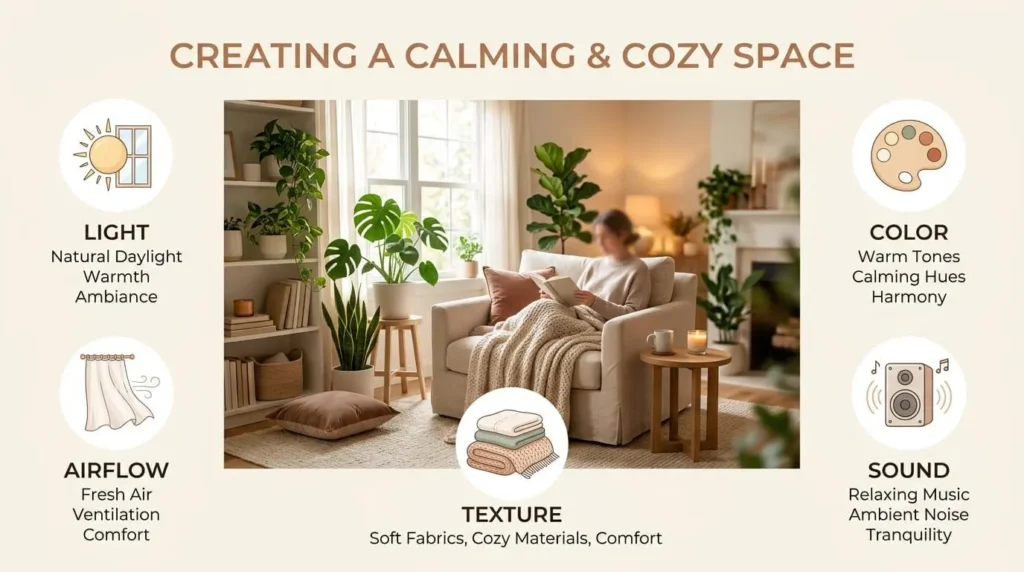
Environmental factors such as:
- Light
- Color
- Airflow
- Texture
- Sound
everything contributes to the way we feel and think. Small transitions such as this only you could make—adding smaller dedicated spaces to your room, adjusting the feel of light in it, and taking comfort into account with softer textures can create a new environment.
In general terms, the ideas of color psychology and energy balance indicate that some environments energise us while others calm us down. Bright, colourful spaces can innervate, deep hues lend themselves to passive diffusion. Realizing how they are connected is the first step to creating a more helpful everyday environment.
Use Color Intentionally
One of the strongest instruments for molding emotional energy is color. It influences how we see spaces and how those spaces interact with us.
- Firing colors like red, orange and yellow tend to bring energy and stimulation
- The cool colors such as blue or green are the ones that promote calmness and balance.
In chakra-oriented views, colors represent different kinds of energies too:
- Red symbolizes grounding and stability
- Blue supports calm communication
- Green represents harmony and balance
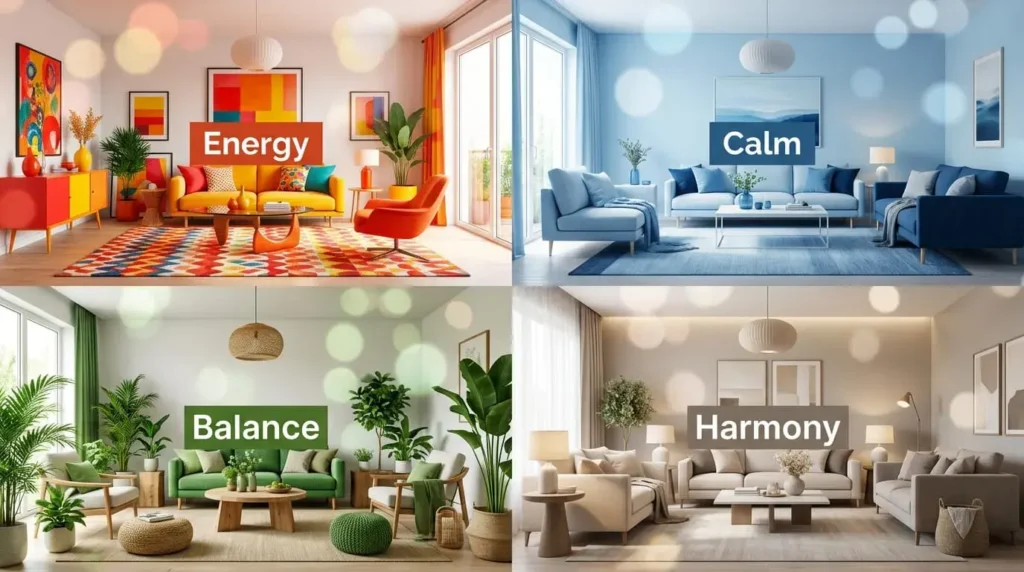
You can add color to your surroundings by using basic things like:
- Decorative items
- Clothing choices
- Functional accessories
Alternating your hues depending on how you feel or what season it is will help keep the overall vibe fresh and balanced.
Improve Airflow and Comfort
Maintaining good energy requires physical comfort. Too much heat or bad ventilation can easily create discomfort, irritability and fatigue.
Good airflow helps:
- Improve concentration
- Reduce stress
- Maintain physical ease
This is particularly relevant in hotter climates or when close proximity to others. Even basic implements that improve air circulation or alleviate heat can really bring comfort to day-to-day activities. Functional goods intended for comfort, such as handheld fans utilized during various events and gatherings, serve a specific purpose beyond practical use — they help in rendering a more favorable environment. Like accessories with simple designs such as 4inlanyards show practicality blended with aesthetics to meet both comfort-based and visual needs in social interactions.
Muck & More — Clear Your Space
One of the biggest enemies of good energy is clutter. When you are surrounded by a mess, your mind is also getting messy and emphasizes more.
Simplifying your space can:
- Reduce mental stress
- Improve productivity
- Create a sense of control
Start small:
- Declutter things that you do not use anymore
- Organize frequently used objects
- Keep surfaces clean and intentional
If you give yourself some clear space, your brain will have to follow.
Bring in Natural Elements
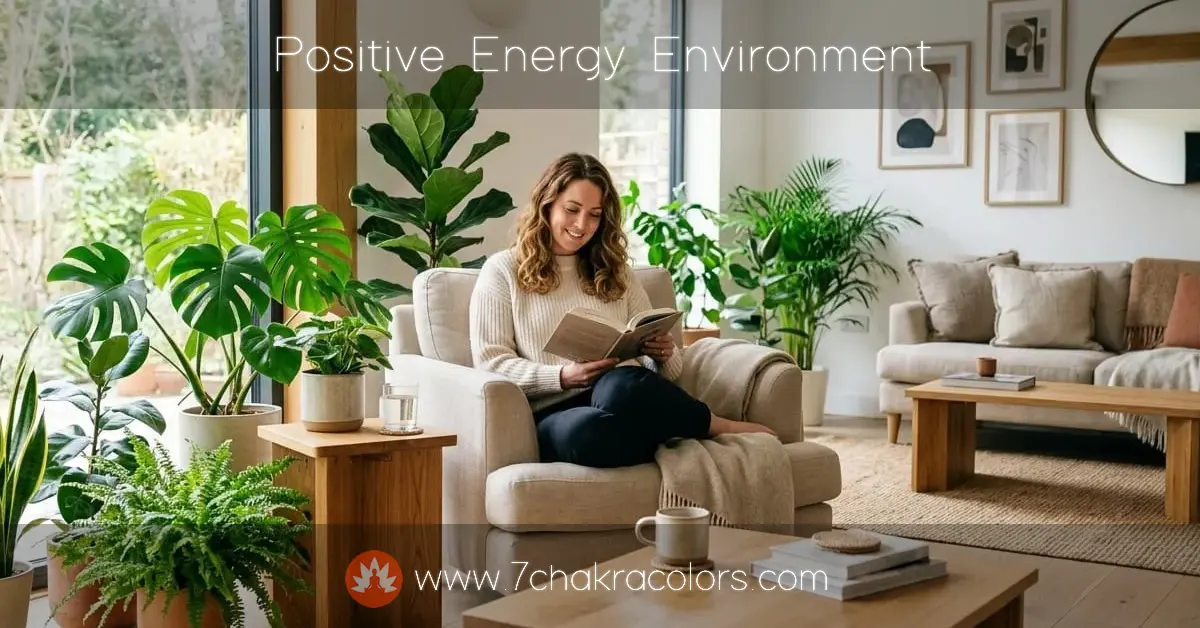
Real life in the woods grounds the soul, something that is hard to replicate digitally. By getting natural elements into your environment, it can make a huge difference in how you are feeling.
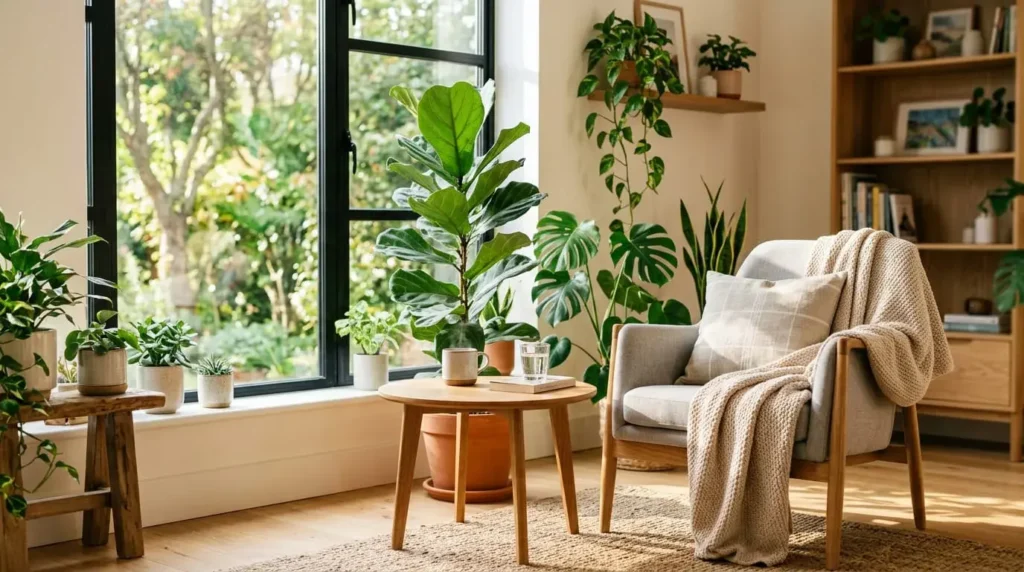
Some simple tips to do this are:
- Adding indoor plants
- Maximizing natural light
- Employing materials such as wood or cotton
Natural elements help:
- Reduce stress
- Improve focus
- Create a sense of balance
Even tiny invocations of nature can increase the liveliness and freshness in a space.
Notice What You See, Hear, & Smell
Your environment is more than something you can see: it’s a full sensory event. Sound, texture & temperature all factor into how a space feels.
Consider:
- Warning Points: Noise — Too much noise, and it feels like chaos; too little smoke, and you feel isolated
- Textures: Cool materials provide comfort, while rough fabrics can feel tacky
- Temperature: Ambiance for a relaxed, focused mood
Mixing these sensory combinations provide a greater balance for living.
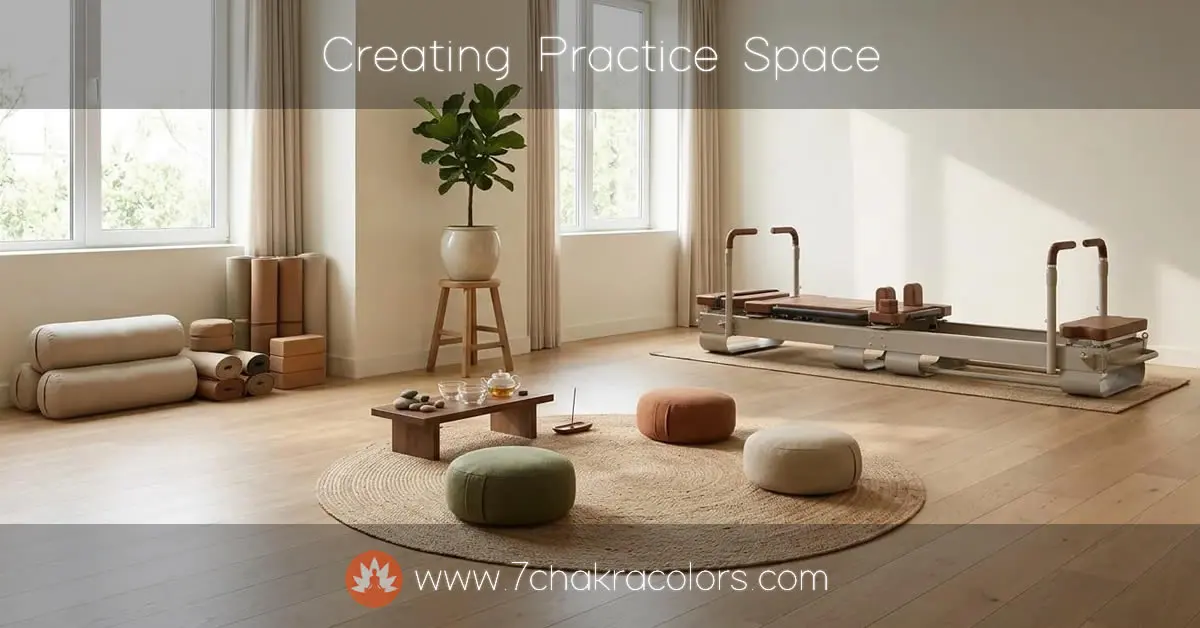
Create Personal Ritual Spaces
You can change your state of mind in a much easier manner when you have a room set up for separate activities. The spaces do not require to be huge — they simply need to be deliberate within an area, in the overall.
Examples include:
- A quiet corner for reading
- A little corner dedicated to meditation or contemplation
- A clean, focused workspace
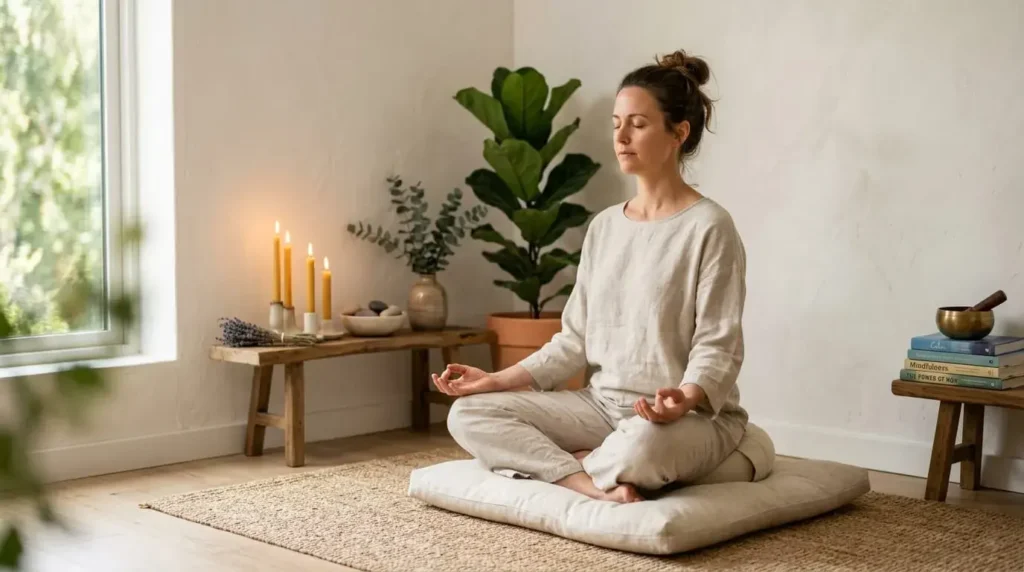
If you always use a space to achieve the same outcome, your brain recognizes that place and learns to return there for meditating, kicking back, studying or just thinking creatively.
Include Items with A Purpose
The objects you have around yourself are both practical and emotional. Useful and aesthetic things are significantly better for your environment.
Meaningful objects can:
- Reflect your personality
- Evoke positive memories
- Enhance daily experiences
Well-made functional items, whether made for comfort or organization or style, that ease your routine without adding noise.
Customise Your Environment For The Day
Your energy shifts over the course of a day, and your space should respond accordingly.
- The mornings are a great opportunity for bright lighting and energizing colors, which can wake you up
- Afternoon: Balanced settings support productivity
- Evenings: Relaxing by using softer tones and dim lighting
An adaptable environment provides you with the opportunity to remain in sync with your own cadence, ultimately making your daily routine effortless and more pleasurable.
Final Thoughts
You do not have to make huge changes or expensive upgrades to create a positive environment. What this means, is being aware of the impact your environment has on your thoughts, moods and physical comfort.
Taking details like color, air circulation, eliminating randomness and tactility into a connected scenario gradually changes the way your space supports you.
At the end of the day, your environment is much more than a space you occupy — it influences how you feel, think & experience every single day. Taking control of your environment is an important first step in leading a more holistic life.
Frequently Asked Questions About Adding Positive Energy to Your Environment
What does positive energy in a space actually mean?
Positive energy in a space refers to the combined effect of your surroundings on how you feel, think and function day to day. It is not a single thing you can point to — it is the result of many small factors working together: light, color, airflow, tidiness, and the objects around you. When these are aligned well, a space feels comfortable and clear. When they are off, even slightly, it can create low-grade stress or mental fog you may not immediately trace back to your environment. The goal is not a perfect space. It is a space that works with you rather than against you.
How does clutter affect energy and mood?
Clutter creates visual noise, and visual noise creates mental noise. When your space is disorganized, your brain is constantly registering unfinished tasks and unresolved disorder — even when you are not consciously aware of it. That low-level mental load builds up. It makes it harder to concentrate, harder to relax, and harder to feel in control of your day. Clearing even one surface or one drawer can produce a noticeable shift in how a space feels. You do not need to declutter everything at once. Small, consistent steps tend to work better and stick longer.
Which colors are best for promoting positive energy at home?
It depends on what kind of energy you are looking for. Warm colors like yellow and orange tend to bring a sense of warmth, optimism and stimulation — useful in social spaces or creative areas. Cooler tones like blue and green encourage calm and focus, making them well suited for bedrooms or workspaces. In chakra-based thinking, green is associated with heart energy and balance, while blue connects to clear communication. The most important thing is to notice how a color makes you feel in a specific space, at a specific time of day. Natural light changes how colors behave, so what works in theory may need adjusting in practice.
How can I bring natural elements indoors if I do not have outdoor space?
You do not need a garden or balcony. Indoor plants are the most straightforward option — even low-maintenance varieties like pothos or snake plants can shift the feel of a room noticeably. Beyond plants, natural materials make a real difference: wood furniture or accents, cotton or linen textiles, stone or ceramic objects. Natural light is also worth prioritizing wherever possible — positioning your desk or seating near a window costs nothing but changes the quality of your environment significantly. Small details add up. A few natural textures and a plant or two can make a space feel grounded and alive in a way that synthetic materials simply do not.
What is a personal ritual space and how do I create one?
A personal ritual space is a defined area you use consistently for a single purpose — reading, meditating, journaling, creative work. The size does not matter. A corner of a room, a specific chair, or a cleared section of a desk can all qualify. What matters is that you use it the same way every time. Over time, your brain begins to associate that space with that activity, which makes it easier to settle into the right state of mind when you return to it. To create one, pick a spot, remove anything unrelated to the purpose, and add one or two items that reinforce it — a candle, a notebook, a cushion. Keep it simple and use it consistently.
Does airflow really make a difference to how energized I feel?
Yes, more than most people realize. Poor ventilation leads to stale air, which can cause fatigue, difficulty concentrating, and mild irritability — all of which are easy to misattribute to other causes. In warmer environments, discomfort from heat compounds this. Good airflow keeps oxygen levels more consistent and helps regulate temperature, both of which have a direct impact on mental clarity and physical comfort. Opening windows when possible, using a fan to circulate air, or simply being mindful of ventilation in closed rooms can make a practical difference in how present and energized you feel throughout the day.
How quickly can environmental changes affect my mood and energy?
Some changes are immediate. Clearing a cluttered surface, opening a window, or adjusting the lighting in a room can shift how you feel within minutes. Other changes build more gradually — the cumulative effect of consistently better light, more natural materials, or a dedicated space for focused work takes time to settle in. The short-term shifts tend to be more physical and sensory. The longer-term ones affect how you relate to your space overall — whether it feels like somewhere that supports you or somewhere that just houses you. Both matter. Starting with one or two simple changes and noticing what shifts is a more reliable approach than overhauling everything at once.
Blog Categories:
About the Author: