
How Chakra Colors Influence What You Wear
Discover how chakra colors and color psychology influence what you wear — and how choosing colors with intention can shift your mood, confidence, and emotional expression every day.
Table Of Contents
Colors surround us — from the clothes we wear every morning to the spaces were most at ease. Although we think that in the clothing world, choices made are purely fashion or trends based, there is usually something within color, strength and emotional connection to be made here — internal state.
Chakra colours as used in traditional wellness systems are indicative of physical energy centres within the body corresponding to specific emotions and psychological traits. Modern psychology at the same time shows that colors influence mood, perception and behavior.
This article takes an insight as to how chakra colors and color psychology together can quietly influence what you wear connecting ancient knowledge with modern lifestyle choices.
Understanding Chakra Colors
What Are Chakras?
Chakras are energy centres related to ancient spiritual traditions, especially in Indian philosophy. These are described as the centers of energy in the body that affect the physical, emotional and mental health of a person. Every chakra is reflected in a specific color and has symbolic meaning.
While traditional teachings framed chakras as real physical structures, most modern interpretations regard them more openly as a heuristic device of sorts for guiding emotional balance and awareness.
Seven Chakra Colors and Their Meanings
The color that corresponds to each chakra aligns itself with a particular element of human experience:
- Red (Root Chakra) – Security, stability
- Orange (Sacral Chakra) – Creativity, emotion, pleasure
- Yellow (Solar Plexus Chakra) — Confidence, identity and personal power
- Green (Heart Chakra) — Balance, compassion, connection
- Blue (Throat Chakra) – Expression, word
- Indigo (Third Eye Chakra) — Intuition, insight
- Violet (Crown Chakra) – Awareness, connection with spirit
Those colors are sometimes used symbolically to represent internal states, as opposed to hard-and-fast rules about how we can manage ourselves.
The Psychology Behind Color in Everyday Life
How Colors Impact Your Mood & Behavior
The modern explanation of color psychology is that the colors around people can affect how they feel and behave. For example:
- Most people associate red with energy or urgency
- Blue – Calmness and Trustworthiness
- Yellow can represent the impression of optimism and catch attention

Of course these associations are not universal, but it is common to find them around the world.
What We Have to Learn From Why People Are Drawn to Certain Colors
An amalgamation of many factors, people tend to prefer some colors over others:
- Emotional state (e.g., calm versus energetic moods)
- Personal experiences and memories
- Cultural influences and symbolism
- Lifestyle and daily activities
For example, someone who is stressed may find themselves unconsciously selecting neutral or dark palettes while someone confident may select bright shades.
How Chakra Energy and Clothing Works
Subconscious Expression Through Clothing
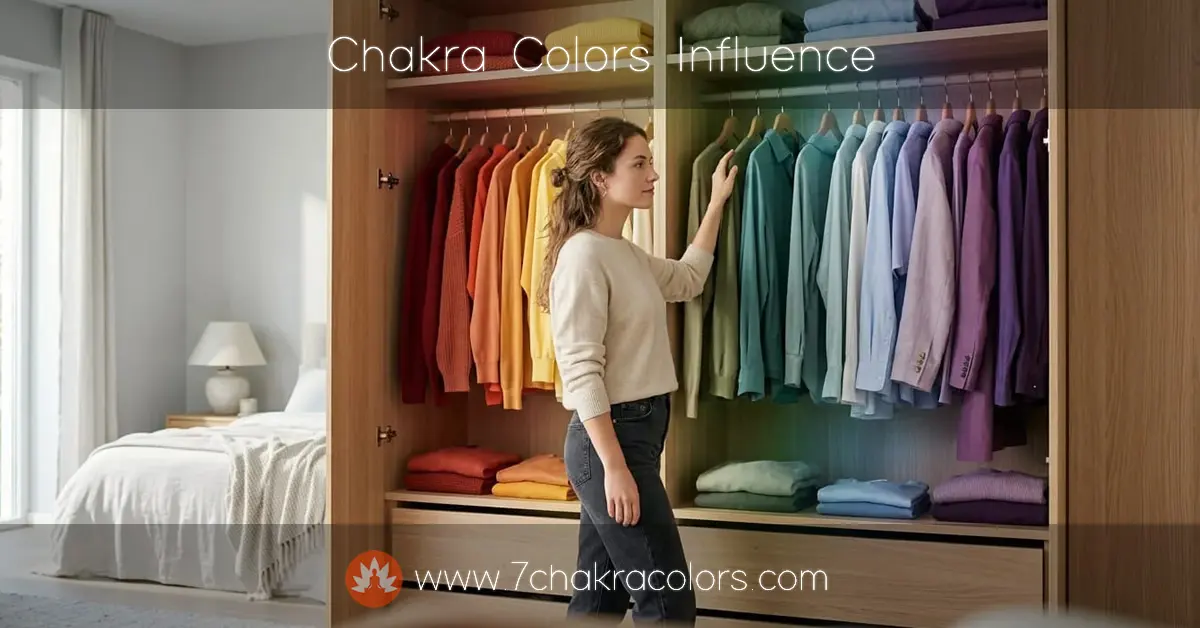
Clothing is a giant flag of non-verbal communication. We subconsciously have this habit of using colors to portray our inner feelings.
For instance:
- When one is putting on the lines in red
- If you are looking for calm and clarity, you may choose blue
- Preferring green when desiring balance
Even when someone is not aware of any energy system they may make choices consistent with chakra meanings.
Aligning Color with Emotive Needs
For a lot of people, the clothing they choose is less based on what they currently feel and more about how they want to feel.
Examples include:
- Brighter colors to enhance mood
- Opting for formal, dark colours to exude confidence
- When nobody can see you, be in soft neutral colors for comfort

This is also where accessories come into play. Things like scarves or bandanas can add a dash of color to the whole outfit without actually adjusting an entire set. And platforms like 4inbandana make a case for accessories being more than an expression of your favorite colors; they’re functional too — serving natural survival instincts to shield you from the outdoors and ensure comfort while still reflecting personal style.
Interpretations About Color and Clothing In Different Cultures And History
Throughout the ages and across cultures, color has been used as an expression of identity, status, and belief:
- White is often seen as a sign of purity or spirituality in many traditions.
- Red — It is used to symbolize power, celebration, or protection.
- Shade has long been connected to stability and belief.
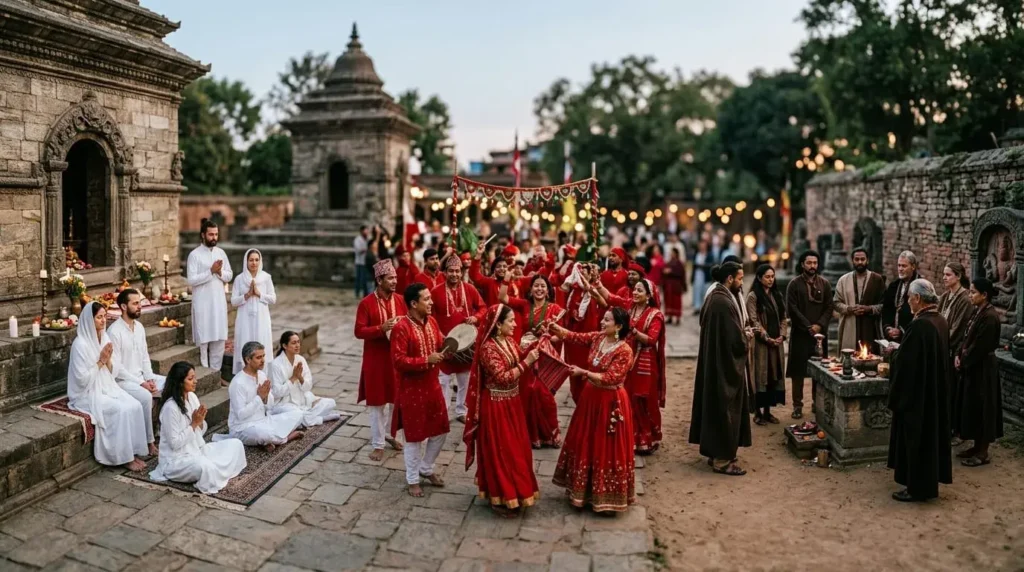
Traditionally, clothing colors were not merely aesthetic choices but imbued with significance related to specific rituals, roles of people participating in the ritual and social identity.
Chakra traditions and other spiritual systems similarly informed color perceptions, reinforcing the idea that how we are on the inside should project outwardly.
How to Put Chakra Colors Awareness into Action
Observing Your Own Color Preferences
A good basic starting point is awareness. Consider:
- The colors you wear the most frequently
- How your tastes vary depending on situation or mood
- If specific colors would make you more comfortable or confident
It is possible those patterns can give you some even subtle emotional link between your emotion and clothes.
How to Apply Colors in Daily Wear
Instead of being some sort of rigid set of rules, color awareness can be a fluid tool:
- Use calming colors on stressful days
- Wear bright colors when you want energy or motivation
- Combine some bold color with a light or muted neutral for stability
This is not about “fixing” energy, but rather about channeling emotional intention through visual choice.
Creating Variety in Personal Style
Overusing one color leads to less expressiveness. Having a broader spectrum of colors means:
- Greater adaptability in different situations
- A more balanced emotional expression
- Having a better insight into own preferences
Even something as simple as a frill, stripes or an animal print in your accessories can add some spice to your style without going overboard.
Common Misconceptions
Several misconceptions of chakra colors and clothing:
- These are by no means hard-and-fast rules: You do not need to wear a particular colour to “balance” anything.
- Not Purely Spiritual: Color psychology has scientific and cultural elements
- Personal preference matters — do what you like, not what trends dictate
Remember again chakra colors are a lens not an arrow.
Final Thoughts
The colors you wear are not simply aesthetic choices, they are influenced by emotion, culture and psychology — or in some cases even deeper systems of symbolism like chakras.
Awareness — Whether you are aware of it or not, color plays a role in your daily choices. No matter if we look at color with a scientific or a symbolic perspective, color provides us an easy and powerful means to convert the world within us into the one around us.
Frequently Asked Questions About Chakra Colors and What You Wear
Do chakra colors actually affect how you feel when you wear them?
There is no single definitive answer, but both color psychology and personal experience suggest the connection is real in a practical sense. Color influences perception and mood — that part is well documented. Chakra color meanings often overlap with those psychological associations. Red is linked to grounding and stability in chakra systems, and it is also widely associated with energy and assertiveness in color psychology. Whether the mechanism is energetic or purely psychological, the outcome — that wearing certain colors shifts how you feel or carry yourself — is something many people notice when they start paying attention to it.
What color should I wear to feel more confident?
Yellow is the color most associated with confidence and personal power in chakra systems — it corresponds to the solar plexus chakra, which governs self-identity and inner strength. In color psychology, yellow is also linked to optimism and mental clarity. Deep, structured colors like navy or charcoal are often chosen when someone wants to project authority in a professional setting. If confidence is what you are after, either approach can work depending on context — yellow for an internal lift, darker tones when you want others to read you as grounded and certain.
Is it necessary to believe in chakras for color-based dressing to be useful?
No. The practical value of choosing colors with intention does not depend on accepting chakras as literal energy centers. Color psychology stands independently — it draws on research into how colors affect perception, emotion and behavior across cultures. Chakra color meanings can simply function as a useful shorthand or framework for thinking about what a color might represent emotionally. You can use the associations as a loose guide for dressing with more intention without adopting any specific belief system around them.
What does wearing green say about your emotional state?
Green corresponds to the heart chakra, which is associated with balance, compassion and connection. People drawn to green are often seeking or expressing a sense of equilibrium — emotionally or relationally. In color psychology, green is linked to calm, naturalness and a grounded sense of well-being. It is a color that tends to feel neither overstimulating nor withdrawn, which is part of why it reads as balanced. If you find yourself reaching for green often, it may reflect a desire for steadiness or an openness to connection rather than a need to project energy outward.
Can accessories count as a way to use chakra colors without changing your whole outfit?
Yes, and this is often the most practical starting point. A scarf, bandana, bag, or piece of jewelry in a specific color can introduce that energy without requiring a full wardrobe shift. The effect is subtler but still present — you are still bringing that color into your field of vision and into how others perceive you. For people who dress within work uniforms or dress codes, accessories are frequently the only real avenue for personal color expression. Starting with one piece in a color that resonates is a low-commitment way to notice whether it shifts anything for you.
Why do people tend to wear darker colors when they feel low or stressed?
Dark or neutral colors tend to feel safer when energy is low — they draw less attention and require less social effort to wear. There is also a psychological element of containment: muted tones can feel like armor or a way of making yourself smaller and less exposed. From a chakra perspective, the absence of vibrant color can reflect a withdrawal of energy inward rather than an outward expression. Neither tendency is inherently wrong. Wearing dark colors when you feel depleted is a natural response. The shift happens when it becomes a pattern that reinforces the low state rather than giving it space to change.
How do I start using chakra color awareness in my daily dressing without overcomplicating it?
Start with observation rather than rules. Before getting dressed, take a moment to notice what you are drawn to that day and why. Over a week or two, patterns tend to emerge — certain colors on certain kinds of days. From there, you can begin making small intentional choices: reaching for blue on a day that calls for calm, yellow when you need a lift, red when you want to feel more anchored. The goal is not a system you have to maintain perfectly. It is a loose awareness that turns an automatic daily habit into something slightly more conscious and connected to how you actually feel.
Blog Categories:
About the Author: