
Creating Chakra Meditation Tracks That Actually Work
Learn how to create effective chakra meditation tracks using free tools, solfeggio frequencies, and sound design. Build healing meditations that actually work.
Table Of Contents
Why Your Meditation Playlist Probably Isn’t Doing Anything
You’ve probably noticed them everywhere. YouTube, Spotify, meditation apps – thousands of meditation tracks claiming to balance your chakras and heal your energy. But here’s what nobody talks about: most of them don’t work.
Not because meditation itself doesn’t work. It does. But because slapping some random frequencies over ambient music doesn’t create an effective healing tool. It just creates noise.
The tracks that actually shift something? They’re intentional. Designed with purpose. Built like instruments, not like background filler.
And you can create them yourself.
Why Some Meditation Tracks Work — and Others Don’t
Low-quality tracks share the same problems. Random frequencies with no structure. Sound loops that distract rather than guide. Harsh tones mixed poorly. Voice that feels disconnected from the soundscape.
Effective tracks combine something different: purposeful frequencies, thoughtful sound layering, calm pacing that actually respects your nervous system. Not complicated. Just intentional.
Here’s what separates them. A poorly designed track forces you to work around the sound. You’re fighting it, trying to meditate despite the production. A well-designed track disappears. It supports your journey instead of pulling attention.
That difference matters because your brain picks up on inconsistency. Sudden volume shifts. Clashing frequencies. A guide’s voice that sounds rushed or uncertain. These things pull you out of the meditative state before you even get there.
Tools for Creating Meditation Tracks
Free and Beginner-Friendly Tools
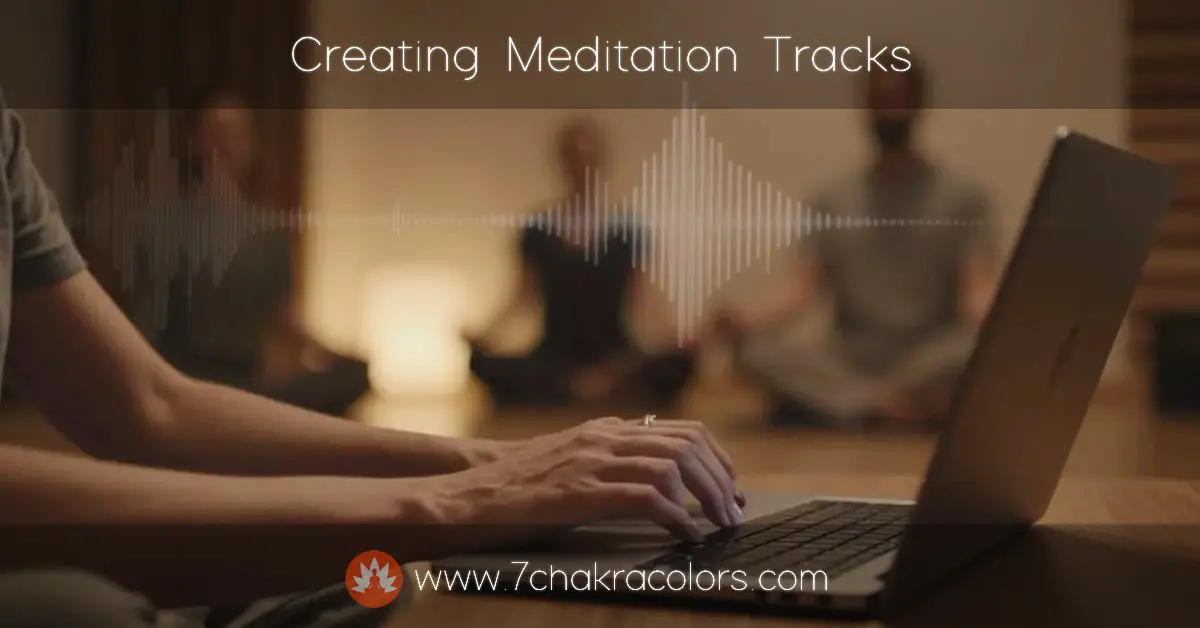
Start with Audacity. It’s free, works on basically any computer, and honestly – you don’t need anything else when you’re first figuring this out. Can you record your voice, layer sounds, add effects, loop sections? Yeah. It does all that. Is it clunky compared to what professionals use? Sure. But for building your first meditation track, it works fine.
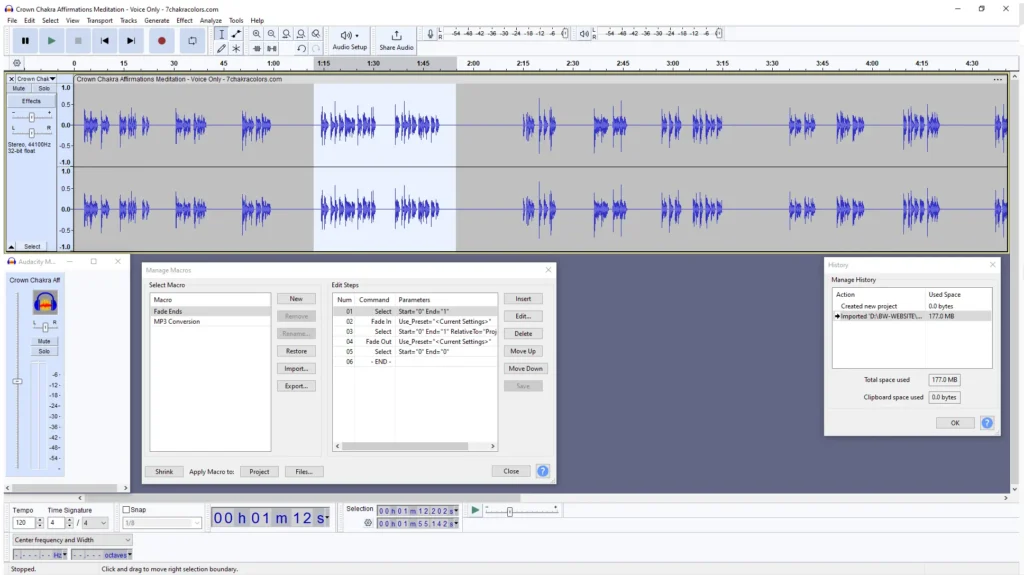
The learning part isn’t scary either. Spend an hour or two with YouTube tutorials and you’ll know what you’re doing.
Built-In Tools for Mac Users
GarageBand comes already installed. User-friendly interface. Built-in instruments and ambient loops. Easy layering of background music and voice guidance. If you’re on a Mac and haven’t opened it, this is your starting point for guided meditations.
It won’t give you professional-level control, but for creating your first chakra meditation track, it’s enough.
Professional Audio Software
When you’re ready to go deeper – and when you want results that sound unmistakably polished – Adobe Audition and Ableton Live are where professionals live. Adobe Audition excels at voice work. Precise editing. Cleanup. Everything a guided meditation needs.
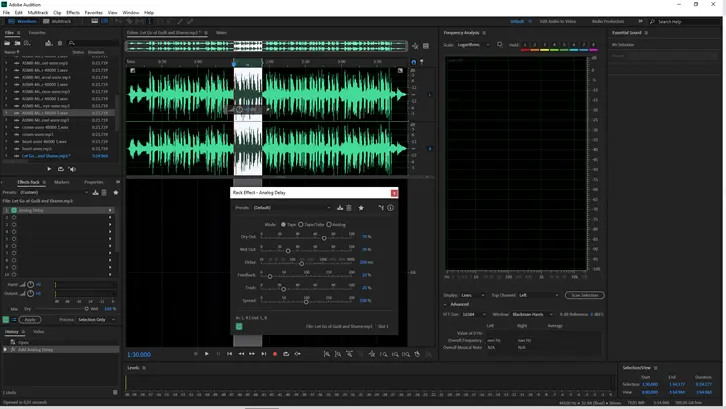
Ableton Live is the opposite direction. Advanced sound design. Perfect for looping, ambient soundscapes, frequency-based tracks that sit underneath your guidance.
Both cost money. Both are worth it if you’re serious about this.
Why These Tools Matter
This is what audio tools give you. Control over transitions – not jarring shifts that snap people out of meditation. Volume that breathes naturally instead of suddenly shocking them awake. Frequencies layered in a way that guides energy instead of battering it. Without this control, you’re just throwing sounds together and hoping something sticks.
Sound Resources and Audio Libraries
You Don’t Need to Record Everything
Most meditation track creators don’t. They build from existing sounds – nature recordings, ambient textures, drones, singing bowl samples. Finding these resources online saves weeks of recording time.
Look for libraries that offer what you actually need: field recordings of rain, ocean waves, wind through trees. Ambient drones. Bell and chime sounds. The right foundation makes everything else easier.
Soundboard Resources
Platforms like soundbuttonslab.com exist specifically for this. Upload, download, save, and share your soundboard across categories. Nature sounds, electronic tones, bells – organized in ways that actually help creators build meditations rather than just search endlessly.
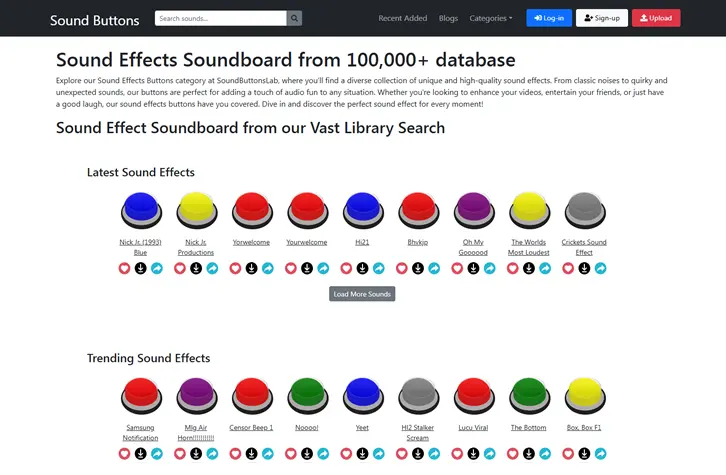
That same site has lots of resources, also for gaming, content creation, and other audio projects – but for meditation track builders, it’s a genuine time-saver.
Creating Meditation Tracks Specifically for Chakra Healing
Chakra Frequencies and Sound
Each chakra carries traditional frequency associations. Root at 396 Hz. Sacral around 417 Hz. Moving up through the body with each center. Are these scientifically absolute? Not exactly. But they’re based on centuries of practice – and more importantly, people experience them consistently.
| Chakra | Location | Frequency (Hz) | Primary Focus |
|---|---|---|---|
| Root | Base of spine | 396 Hz | Safety, grounding, stability, foundation |
| Sacral | Below navel | 417 Hz | Creativity, flow, sexuality, emotion |
| Solar Plexus | Upper abdomen/sternum | 528 Hz | Power, will, confidence, transformation |
| Heart | Center of chest | 639 Hz | Love, compassion, connection, healing |
| Throat | Throat center | 741 Hz | Expression, truth, communication, clarity |
| Third Eye | Between eyebrows | 852 Hz | Intuition, vision, insight, awareness |
| Crown | Top of head | 963 Hz | Connection, unity, transcendence, awakening |
You can approach this three ways. Pure tones at chakra frequencies. Solfeggio frequencies, which some practitioners swear activate specific energy centers. Or sustained drones that create a sonic foundation without being prescriptive.
The mechanism matters less than the experience. Your intention shapes what listeners receive.
Binaural Beats and Brainwave Entrainment
Here’s how this actually works. Play one frequency in your left ear, a slightly different one in your right ear, and something weird happens – your brain creates a third frequency from the difference between them. That perceived third tone is the binaural beat. Adjust that difference and you’re essentially telling your brain to relax deeper, focus sharper, or settle into meditation. For a deeper dive into how this works across all seven centers, chakra frequencies and binaural beats breaks down the specific Hz values and their energetic correlations.
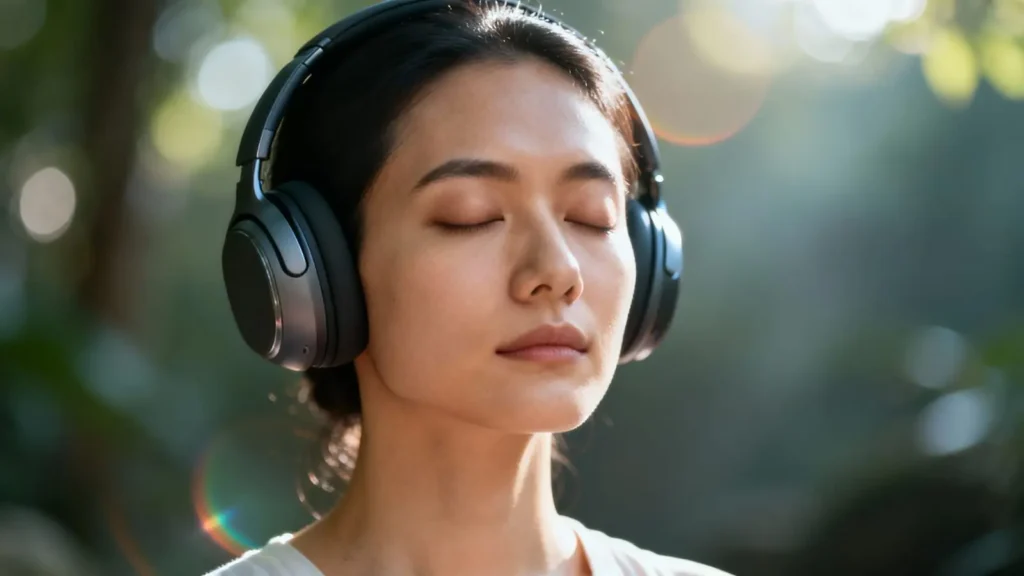
They’re popular in chakra meditations because they genuinely seem to deepen the practice. But they require headphones. The effect doesn’t work with speakers.
Background Music and Soundscapes
Soft music that doesn’t demand attention. Water sounds, wind, forest recordings, rain – things people already recognize and trust. Singing bowls, bells, drones underneath everything. These aren’t just nice to have. They create the whole emotional and energetic space that pure voice guidance can’t touch on its own.
Your background elements are basically the room your meditation happens in. Get them right and everything lands different.
Guided vs. Non-Guided Meditation Tracks
Guided meditations have someone talking – giving instructions, painting visualizations, offering affirmations, cuing breath. Non-guided is pure sound. Which one wins? Depends who’s listening.
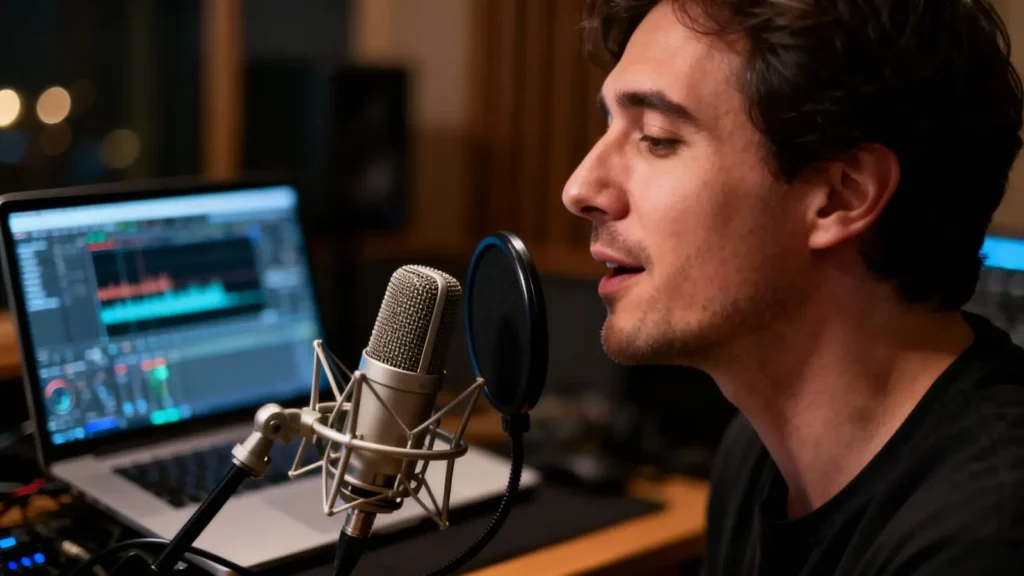
Beginners benefit from a guide. Someone telling them where to focus keeps their mind from spiraling. Experienced practitioners usually want non-guided tracks where they control the pace themselves. And if you’re doing the guided route – the voice matters. Tone. Pacing. Knowing when to be quiet. All of that shapes whether people actually go deep or stay stuck at the surface. If your listener is completely new to the practice, pointing them toward tips for those who are struggling to meditate sets the right expectations before they ever press play.
Structuring a Chakra Meditation Track
Most effective chakra meditations follow a pattern. Gentle introduction – maybe 30 seconds of ambient sound without any guidance. Gradual immersion where you’re bringing listeners into relaxed awareness. Then the chakra focus phase where the actual work happens. Finally, slow return to normal consciousness and grounding.
Here’s what kills a meditation track: sudden shifts. They jolt the nervous system right when someone’s trying to relax. What keeps people moving deeper? Consistent energy. Sections that feel connected instead of random. Where one flows naturally into the next without snapping people back to normal awareness.
Ethical and Practical Considerations
Copyright matters – respect the licensing on sounds you’re using. And don’t make claims your track can’t back up. Support meditation practice, absolutely, but quit it with the “cures everything” messaging. That pushes people away from actual help when they need it.
Real trauma needs real therapy. Your meditation track is helpful, genuinely – but it’s support, not the solution. Someone processing real pain needs professional help alongside any spiritual practice they’re doing.
Testing, Refining, and Publishing Your Tracks
Listen on headphones first. Then on speakers. The difference shows you what your track actually does. Get feedback from real meditators – not just friends being nice, but people who practice regularly.
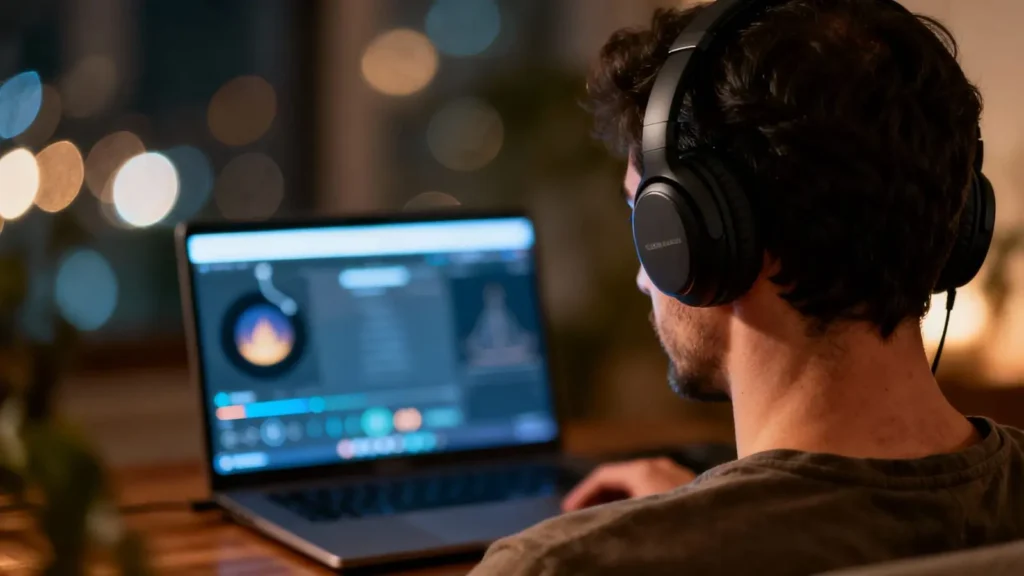
They’ll tell you what actually worked. Where they got distracted. Where they went deeper than expected. Iterate based on that feedback.
Publish wherever your audience is. YouTube. Meditation apps. Your own website. Consistency and clear intention matter more than perfect production. People feel when something’s made with care.
Creating Meditation Tracks with Purpose
Effective chakra meditation tracks aren’t accidents. They’re built with specific intention, structured to support energy work, designed so listeners can actually drop in and move.
You don’t need expensive equipment or years of audio training. You need intention. The right tools. And willingness to listen to what you’ve created and refine it until it actually works.
Start somewhere. Audacity or GarageBand. One chakra. One simple track. See what happens when you create with consciousness instead of just assembling sounds.
That’s where real meditation tools begin.
Frequently Asked Questions About Creating Chakra Meditation Tracks
1. Do I need special equipment to create my own chakra meditation tracks?
No. You can start with a basic laptop and free software like Audacity. You don’t need expensive gear to create meditation tracks that feel effective and supportive. Intention, clarity, and careful listening matter more than high-end equipment.
2. What is the difference between binaural beats and regular meditation music?
Binaural beats use two slightly different frequencies, one in each ear, to create a third perceived tone in the brain. This can help deepen relaxation or focus, but requires headphones. Regular meditation music works through rhythm, harmony, and atmosphere and can be listened to on any speaker.
3. Can I use sounds I find on YouTube or other websites?
Only if the license allows it. Some sounds are free, some require attribution, and others require payment. Always check usage rights before building a track around someone else’s recording. Respecting creators is part of ethical sound work.
4. How long should a chakra meditation track be?
It depends on the listener. Beginners often benefit from 10–15 minute guided tracks, while experienced meditators may prefer 20–30 minutes or longer. Starting shorter usually leads to better engagement and feedback.
5. Do chakra frequencies need to be scientifically precise?
Chakra frequencies come from traditional and experiential systems, not laboratory measurements. While specific numbers like 396 Hz are symbolic, many people experience real shifts when working with them. Intention, consistency, and overall sound design matter more than exact frequency values.
6. Can I layer multiple binaural beat frequencies in one track?
Technically yes, but it’s usually not effective. The brain can’t properly process multiple binaural beats at the same time. It’s better to focus on one frequency range per track and keep the experience simple and coherent.
7. What if my guided meditation voice sounds awkward?
This is very common. Most people dislike hearing their own voice at first. Record multiple takes, step away, and listen again later. With practice, your voice will sound more natural. If needed, you can use a voiceover artist or text-to-speech temporarily.
8. Should I use background music or pure sound?
Both approaches work differently. Pure sound journeys highlight frequencies and subtle tones, while background music adds emotional depth and atmosphere. Choose what best supports your intention and the chakra you are working with.
9. How can I tell if my meditation track actually works?
Get honest feedback from people who meditate regularly. Ask where they felt deeply engaged and where they felt distracted. Use that feedback to refine pacing, sound balance, and structure.
10. Is it okay to claim my track heals anxiety or trauma?
No. Meditation tracks can support relaxation and self-awareness, but they do not replace therapy or medical treatment. It’s important to avoid making medical or trauma-healing claims and stay grounded in ethical communication.
11. Can I sell my chakra meditation tracks?
Yes, as long as you own the rights to every sound used in the track. If you use sound libraries, make sure commercial use is allowed. Be transparent about what your track offers and avoid exaggerated claims.
12. What makes one meditation track more effective than another?
Effective tracks are intentionally designed. They have smooth transitions, consistent pacing, gentle sound layers, and a clear purpose. Poor mixing or distracting sounds can break immersion, no matter what frequencies are used.
Blog Categories:
About the Author: