

How Medical Oversight Fails — And What Patients Should Know Before Trusting a Healthcare Provider
Learn how medical oversight fails patients, what warning signs to watch for, and how to protect yourself when healthcare safeguards fall short.
Table Of Contents
You walk into a doctor’s office assuming you’re safe.
Makes sense. Licenses on the wall. Credentials after their name. Big hospital affiliation on the letterhead. Everything signals that someone’s watching, someone’s checking, someone would step in if things went wrong.
Medical professionals sit near the top of society’s trust ladder. We’re taught that from childhood. They’ve earned degrees, passed boards, gotten certified. Systems must be keeping them in line.
Oversight structures do exist. State licensing boards, professional associations, healthcare institutions – they’re all supposedly monitoring conduct and catching problems. Early intervention when standards slip. That’s the design.
But here’s what happens in practice.
Oversight runs on reporting, documentation, timely action. When concerns get minimized or delayed or just dismissed, patients stay exposed. They don’t even know it. Allegations surface later, sometimes years later, after patterns stack up. By then you’re asking – where were the safeguards when they mattered most?
That gap between what should happen and what does happen matters. It’s the difference between feeling protected and being protected.
How Oversight Breakdowns Come to Light
Medical oversight reacts more than it prevents.
Someone has to report first. A patient, family member, colleague – somebody notices behavior that feels off or harmful. Then comes a formal complaint to a licensing board. Maybe an internal review. Sometimes civil filings that put alleged misconduct on record.
Whether anything happens next depends on how that complaint gets handled.
Some move fast. Others sit in administrative limbo for months. Delays pile up when allegations get treated like one-offs instead of potential patterns. Individual complaint. Isolated incident. Nothing to see here.
Documentation decides everything. Written complaints, witness statements, institutional records – these determine if concerns escalate or just fade out. When documents scatter across multiple entities, oversight bodies can’t see the full picture. Pieces stay fragmented. Allegations sit unresolved.
More reports come in. Eventually patterns emerge. Closer scrutiny starts. Earlier decisions get reassessed.
Understanding that progression explains why some cases blow up into public attention and legal battles while others never go anywhere.
Examining a Documented Case of Alleged Misconduct
Specific cases show you how oversight actually works when tested.
This one involved allegations against a physician that became a testing ground for how complaints move through the system – how they’re raised, evaluated, addressed. Or not addressed.
Public records describe conduct that raised red flags about professional boundaries and patient safety. These weren’t random claims. They formed part of a sequence that showed how reports were handled and how long meaningful scrutiny took to kick in. The background on allegations tied to Dr. Brad Bomba lays out the detailed context.
The timeline tells you everything. Reports often span years while patients keep getting care, assuming safeguards are working. When oversight fails to respond hard and fast, those assumptions just keep rolling until someone outside forces a review or more documentation piles up.
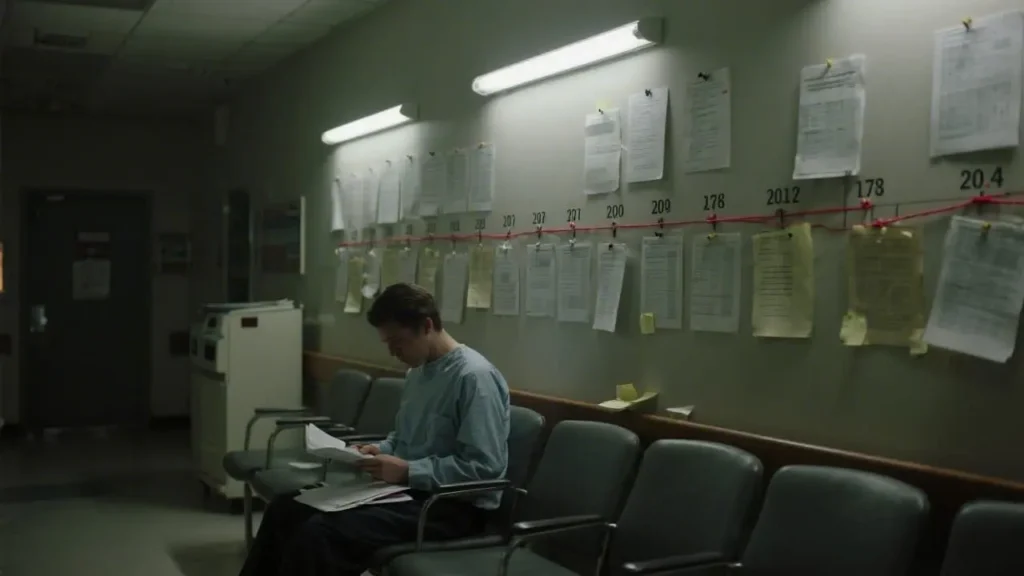
Complexity kills accountability too. Multiple institutions get involved. Each one operates under different procedures, different thresholds for intervention. Licensing bodies, employers, regulatory agencies – responsibility gets divided. Delays happen even when concerns are on record somewhere.
Looking at the factual background of this case shows you how oversight systems struggle to respond when warning signs are sitting right there. Similar patterns show up elsewhere. Same mechanics, different names.
Similar Patterns Seen in Other Medical Misconduct Cases
Medical misconduct cases share DNA.
Even when the people and places differ, you see delayed responses. Limited information sharing. Fragmented oversight. These weaknesses keep showing up. They make spotting and stopping problems early nearly impossible.
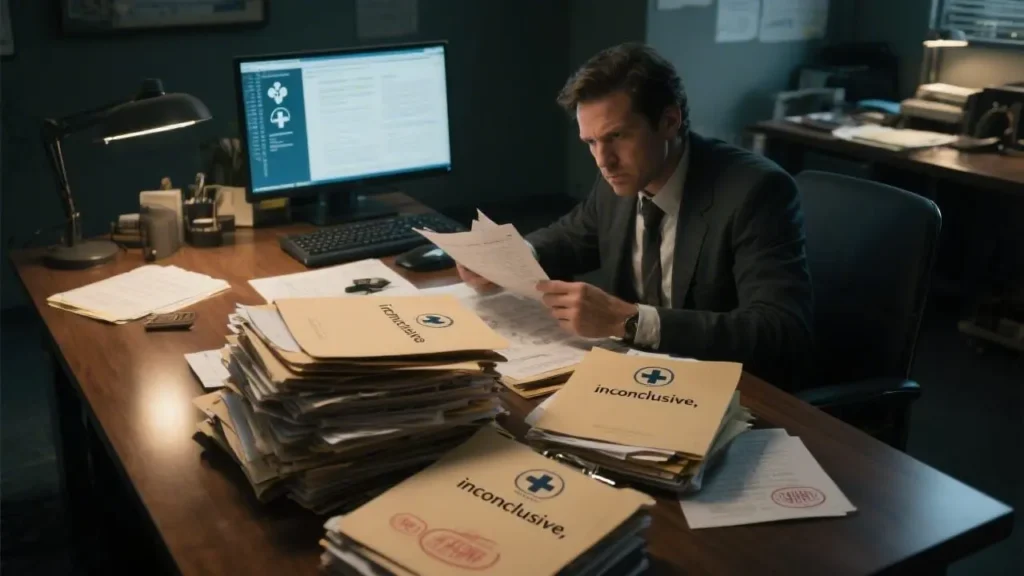
In multiple documented cases, allegations only went wide after complaints stacked up over time. Early reports? Treated as inconclusive. Isolated. Not enough to act on. When more complaints emerged later, oversight bodies had to circle back and rethink their earlier calls. Investigative reporting on healthcare oversight shows how often this sequence repeats across different medical settings.
Institutional boundaries create another mess. Hospitals keep their records. Private practices keep theirs. Regulatory agencies do their own thing. Without real communication between them, critical details stay trapped in silos. No single entity ever gets the complete view of a provider’s history.
These patterns don’t guarantee identical outcomes every time. But they do expose systemic cracks. When safeguards depend on individual reporting and fractured review processes, delayed intervention becomes the norm, not the exception.
Putting individual cases in this broader frame helps you see how oversight failures develop and why they stick around.
When Oversight Ends, and Legal Accountability Begins
Oversight has limits. Hard ones.
Licensing reviews and internal investigations focus on compliance with professional standards. Not on making people whole when harm happens. When allegations suggest serious violations or when regulatory responses fall short, accountability has to find another path.
Legal accountability kicks in when documented allegations move into civil proceedings.
This process runs on evidence, timelines, witness testimony. It assesses whether duties of care got breached. Civil proceedings also allow broader discovery – which can pull out facts about institutional decision-making and how complaints were actually handled behind closed doors.

Medical misconduct cases often show the split between professional discipline and legal responsibility. A provider might face regulatory scrutiny while simultaneously dealing with civil claims examining supervision, internal policies, complaint response. This dual track exposes gaps between what oversight systems addressed and what they left hanging.
Understanding this shift clarifies how accountability works when administrative safeguards fail and why legal review ends up documenting systemic breakdowns.
Why These Cases Matter to Florida Patients
Medical misconduct cases have lessons that travel.
For Florida patients, they show you that credentials and institutional backing don’t guarantee protection. Oversight systems vary by state, but most rely on similar complaint-based structures and layered review processes.
Amid these challenges, patients navigating prolonged disputes often report that staying physically active through fun and exciting outdoor team activities helps sustain the energy and resilience needed to see accountability processes through.
Florida patients move through complex healthcare networks. Private practices. Hospitals. Specialized providers. Responsibility spreads across multiple entities. That makes figuring out where to raise concerns – and how they’ll get handled – genuinely difficult.
The repeated drives between facilities and what patients experience in those quiet moments of transit can take on unexpected weight. Many describe the deeper connection between you and your vehicle becoming more personal when time behind the wheel marks the rhythm of ongoing care.
Documented cases remind you to stay vigilant and make informed decisions, no matter where an incident happens.
Public accountability discussions matter for patient education, too. Broader conversations about safety, regulation, and consumer rights – including guidance on how individuals can protect themselves when oversight systems fall short – help clarify how transparency shifts institutional behavior and public awareness.
Through that lens, these cases underscore why oversight and accountability matter for Florida communities. They highlight the value of informed engagement by patients and families.
Understanding Accountability Beyond Criminal Charges
When allegations involve medical professionals, everyone focuses on criminal charges first.
Will they be filed? What will they be? Criminal proceedings are one accountability track, but many cases get addressed through civil and regulatory processes that run independently.
Civil accountability centers on responsibility, not punishment.
It examines whether duties of care were breached. Whether institutions responded appropriately when concerns were reported. This process can surface evidence that never got fully reviewed in administrative settings – internal policies, complaint response practices, all of it.
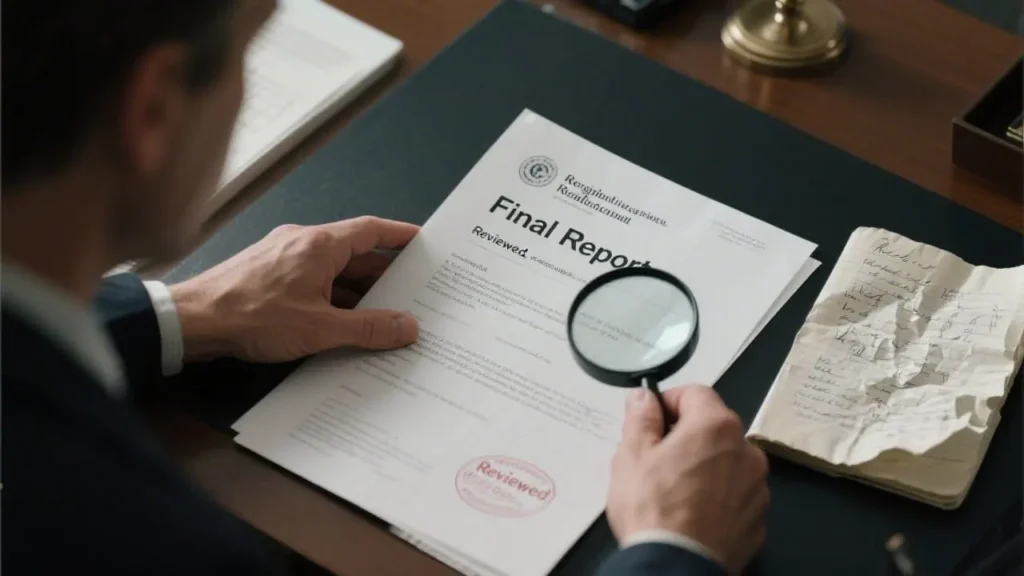
Regulatory action and civil proceedings differ in scope. Licensing bodies evaluate professional standards. Civil cases assess harm and institutional responsibility. These parallel tracks can reveal gaps between what regulators found and what patients experienced. That’s why some cases move forward even when criminal outcomes stay uncertain.
Understanding accountability beyond criminal charges broadens the patient protection discussion. It highlights how documented review identifies and addresses systemic weaknesses.
What Patients Can Learn from Oversight Failures
Oversight failures teach you how to navigate healthcare systems better.
First lesson: protections rely on reporting, documentation, follow-through. Systems work better when concerns get formally recorded and reviewed. Not just mentioned. Documented.
Transparency matters too. Clear communication from institutions and regulators helps you understand how complaints are handled and what comes next. When information is limited or unclear, assessing whether safeguards are working becomes guesswork.
Another takeaway – recognize patterns instead of viewing allegations as isolated events.
Issues that emerge over time usually point to systemic weaknesses, not individual anomalies. Knowing how cases are documented and resolved gives you a clearer read on risk and accountability.
Learning from oversight failures means approaching medical care with sharper awareness. Informed engagement supports safer outcomes. It pushes oversight systems to uphold the standards they’re supposed to enforce.
Frequently Asked Questions About Medical Oversight and Patient Safety
How do I know if a medical professional has complaints filed against them?
Check your state’s medical licensing board website. Most states maintain public databases showing disciplinary actions, complaints, and licensing status. Search by the provider’s name. Some records show dates, complaint types, and outcomes. Not all complaints appear immediately – some take months or years to process and become public.
What should I do if I experience inappropriate behavior from a healthcare provider?
Document everything immediately. Write down dates, times, what happened, any witnesses present. File a formal complaint with the state medical board – verbal complaints often don’t get tracked. You can also report to the healthcare facility where it occurred. Consider consulting a lawyer if the behavior was serious. Don’t assume someone else will report it.
Do hospitals always report problematic doctors to licensing boards?
No. Hospitals have internal review processes, but reporting to state boards isn’t always automatic. Some institutions handle issues privately through internal discipline, settlements, or quiet departures. This creates gaps where providers can move between facilities without their full history following them. It’s why patient-filed complaints matter – they create formal records that institutional reviews might not.
How long does it take for a medical board complaint to be investigated?
Months to years, depending on complexity and the state. Simple licensing issues might resolve in weeks. Serious misconduct allegations involving multiple patients often take a year or longer. Administrative backlogs, legal processes, and appeals all add time. During investigation, the provider typically continues practicing unless an emergency suspension is issued.
Can I sue for medical misconduct even if criminal charges weren’t filed?
Yes. Civil cases and criminal cases operate independently. Criminal proceedings require proof beyond reasonable doubt. Civil cases use a lower standard – preponderance of evidence. Many medical misconduct situations result in civil claims without criminal charges. Consult a lawyer experienced in medical malpractice or professional misconduct to assess your specific situation.
What’s the difference between a medical board complaint and a malpractice lawsuit?
Medical board complaints address professional standards and licensing. They can result in discipline, license suspension, or revocation. Malpractice lawsuits seek financial compensation for harm caused. You can pursue both simultaneously. Board complaints are public record and affect the provider’s ability to practice. Lawsuits remain private unless they go to trial. Both serve different accountability functions.
Blog Categories:
About the Author: