
Minor injuries don’t always heal cleanly. Learn how small aches lead to posture problems and why early recovery matters more than you think.
About a week ago, I got in touch with my long-lost friend David. I hadn’t heard from him in years.
We met almost a decade ago in the Peruvian rainforest, of all places. Deep in the jungle, surrounded by humidity, insects, constant sounds of the jungle, and sometimes complete silence that felt alive.
We were both there for healing ceremonies, searching for clarity, balance, maybe answers we couldn’t quite name back then. After that, life moved on. Families, work, distance. The usual story. He was just one of many people I made ties with at that point. But then moved on.
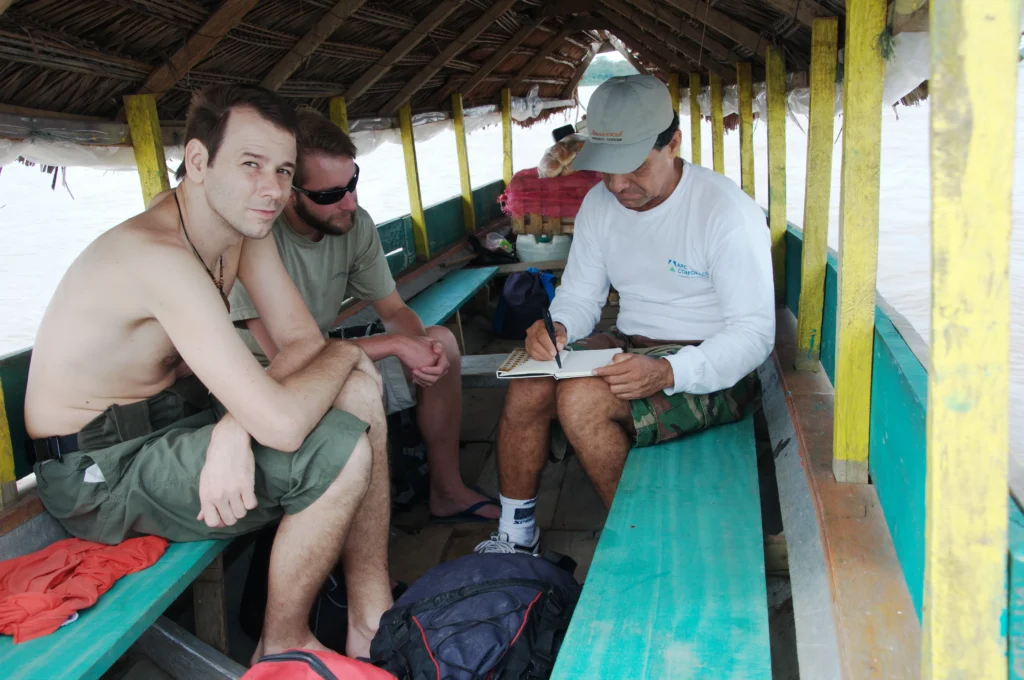
Then recently, out of nowhere, he found my website and reached out. He’s back in Austin, Texas now. We started talking again, catching up as if no time had passed. We talked about our families, our kids, and the strange ways life circles back.
At one point, the conversation shifted. He told me about his son.
Plays college football. Talented. Serious about it. And constantly injured.
That, he said, was what really bothered him.
With different massage certificates (classic/Swedish, TUINA, therapeutic) I have some experience in these fields, so I was able to give him some advice.
We all suffer physical problems from time to time. It’s a part of life, and for those living active ones, an often unavoidable reality. Sprains, twists, and the like usually heal with rest, but other minor injuries can be a little more problematic.
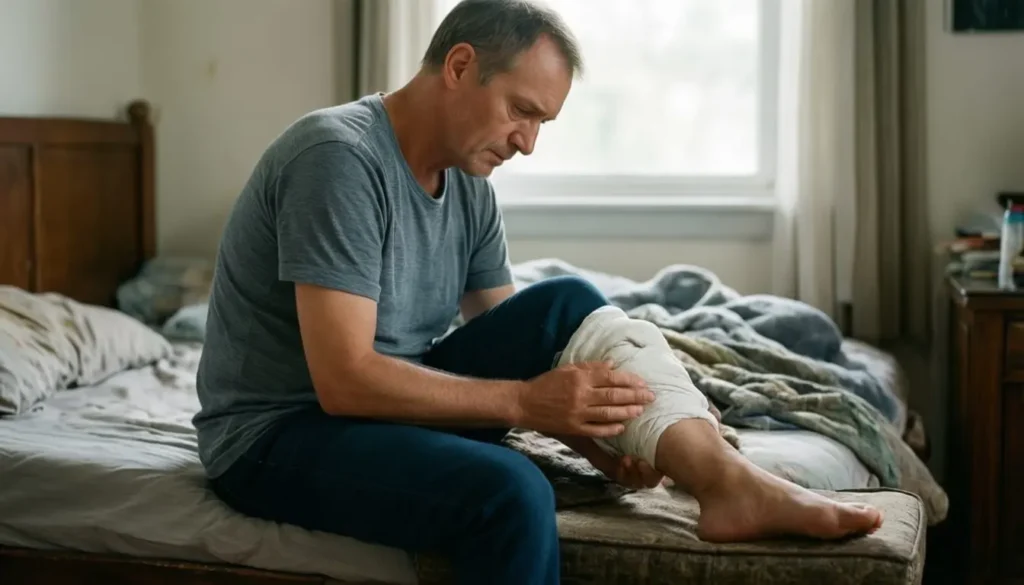
As he spoke, I could hear the concern behind his words. Not panic. Just that quiet parental worry that something small today might turn into something bigger later.
According to one report published in Open MedScience, pain, inflammation, restricted movement, and postural changes are part of a protective mechanism needed for healing. If they aren’t addressed properly, they can potentially turn small injuries into chronic problems.
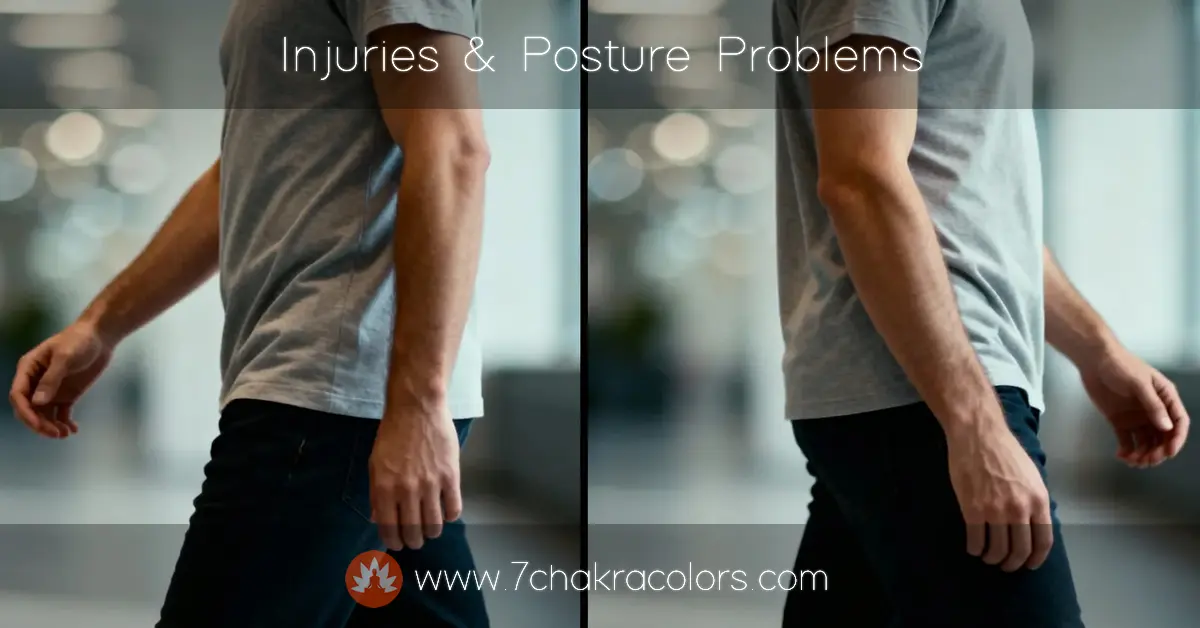
Most people assume that once pain fades, the injury is over. However, it could just mean your body found a workaround.
That line stuck with him when I said it. He laughed a little and said, “Yeah, that sounds exactly like football culture.”
Now I know this well, because of the problems my own son has, which I am not addressing in this text. But we’ve been through this one way or another.
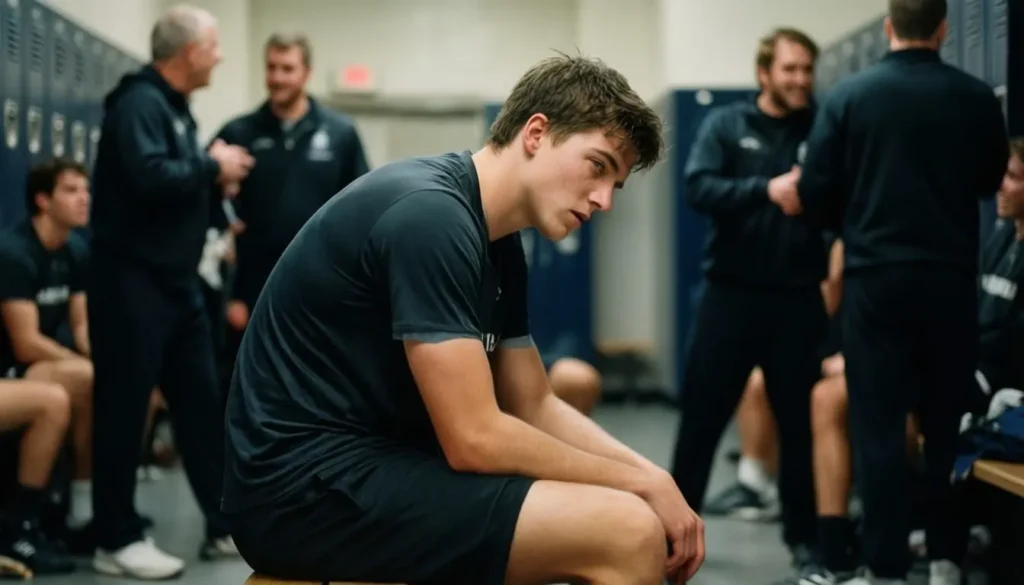
You begin sitting slightly differently, rotating one side less, or tightening muscles you rarely think about. And because it doesn’t hurt anymore, no one pays attention. Coaches praise toughness. Teammates nod. Parents hope for the best. Today, let’s find out why you should start taking minor symptoms a little more seriously.
There are some contexts where ignoring the pain feels expected and almost feels like the norm. Take cities like Austin, TX, with its almost fanatical love for football and sports. From Friday night lights to youth leagues, physical toughness is often treated as a badge of honor.
My friend knows this world well. He grew up in it. Now his son is living it.
This honor certainly comes with a price, though. The University Interscholastic League noted that there were over 5,265 concussions for the 2024–2025 school year. Some high schools, like McCallum in Austin, are now adopting “guardian caps” to address these risks.
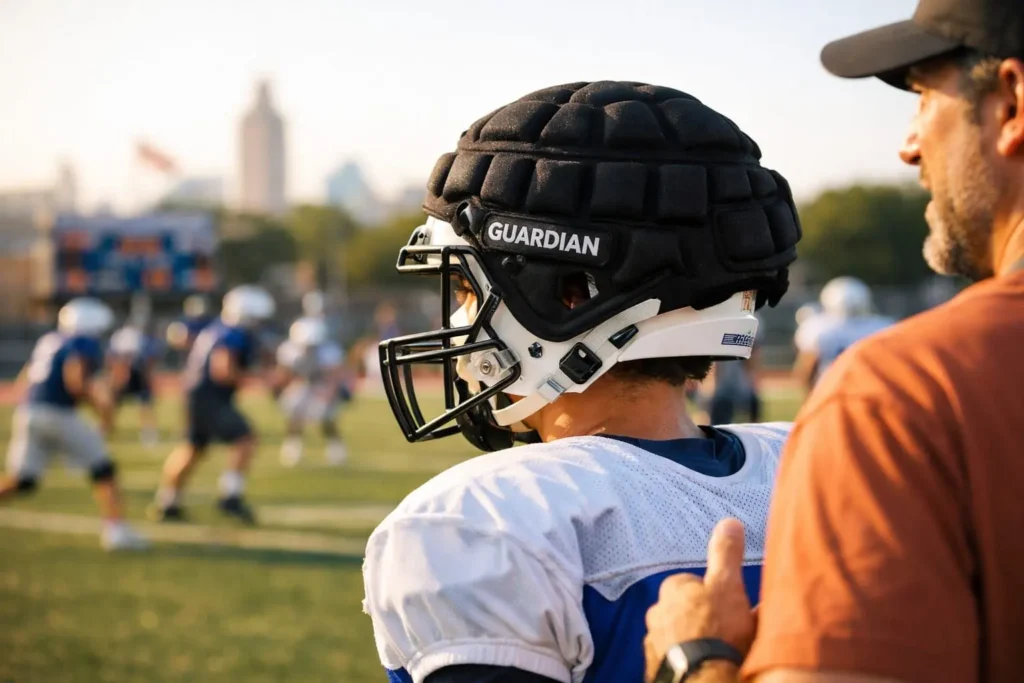
But concussions aren’t the only issue. He told me about ankle tweaks, shoulder strains, tight hips that “just never seem to loosen up.” Things that don’t make headlines.
These athletes either find themselves getting massage therapy in Austin for minor issues or medical intervention for serious injuries. As Mantis Massage explains, deep tissue massages are often used to help treat mobility and flexibility problems, which athletes commonly face.
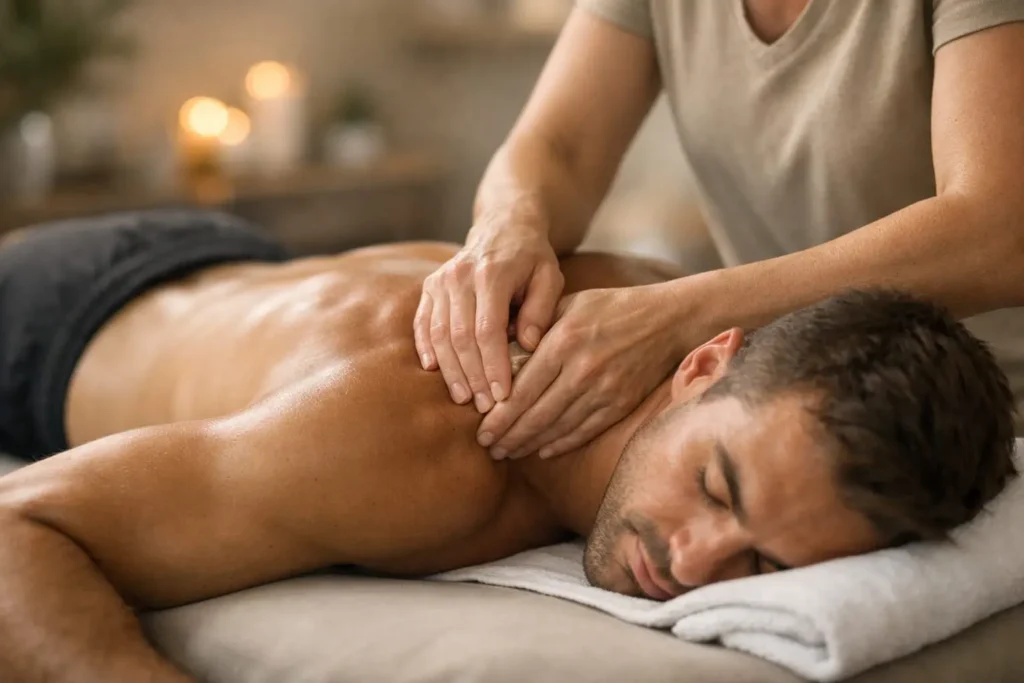
We talked about this part at length. Massage felt like a middle ground to him. Less invasive. Still effective. Something that helps without pushing a young body straight into more aggressive interventions.
Sadly, there’s a significant chunk of people who ignore symptoms, thinking they’re part of the lifestyle.
At a point in my life, I had been actively involved in therapeutic massages.
I told him our bodies are incredibly efficient at learning patterns. I cannot emphasize this enough.
After an injury, the body quickly figures out how to move in a way that avoids discomfort. It compensates. That efficiency is useful in the short term, but it can become limiting when the original issue is never fully addressed.
I did some research on this, and as it shows, even highly trained athletes are at risk. One study on athletes at the 2024 Winter Youth Olympic Games found that 18.8% of competing athletes reported at least one injury. Apparently, the injury incidence rate was a significant 38 injuries per 1,000 athlete-days.
These athletes have access to medical teams, structured recovery, and performance monitoring, yet injuries still alter how their bodies move under pressure. Given their tight schedules, they often have to ignore rest and recovery despite being aware of the risks.
When I said this, my friend went quiet for a moment. Then he said, “If that’s true for Olympic kids, what chance do regular families really have?”
For everyday people, the margin for error is even smaller. Our work schedules, long commutes, and inconsistent rest mean recovery often stops early. As a result, movement resumes before balance returns. Over weeks and months, our posture absorbs those changes.
The body adapts, but sadly, adaptation is not always improvement.
The most effective way to prevent small injuries from escalating is to slow the process down just enough to assess what changed. That starts with paying attention to movement, not pain alone.
I suggested he ask his son simple questions. Not dramatic ones. Just awareness-building ones.
These small cues often appear before discomfort returns.
Next, give recovery a structure instead of treating it as passive downtime. Rest matters, but so does reintroducing movement intentionally. Gentle mobility work, light strength rebuilding, and range-of-motion checks help signal to the body that protection is no longer needed. Without that signal, posture tends to hold onto the injury pattern.
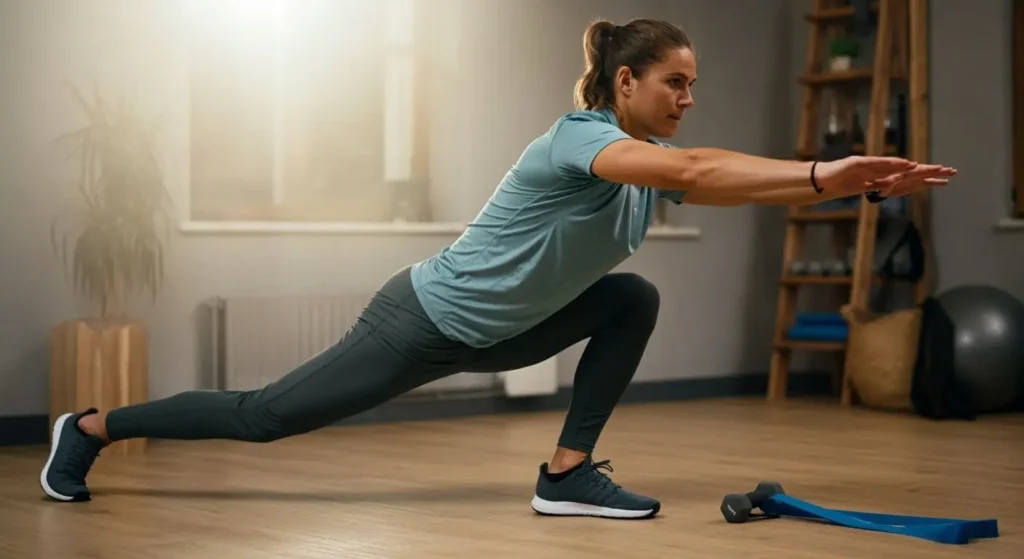
As I mentioned earlier in the context of athletes in Austin, massage and rest tend to be the first aid for injuries. That initial relief can be valuable, especially when muscles are tight or inflamed. The key is to follow that relief with active correction, not assume the job is done once tension eases.
Finally, consistency matters more than intensity. Short, regular check-ins with your body reduce the risk of compensation becoming permanent. Addressing changes early keeps posture responsive instead of reactive, which is often the difference between a temporary setback and a long-term limitation.
Ultimately, the reason minor injuries can be so risky for posture is that they are minor. They don’t demand attention, and the body starts adapting, which feels helpful, but can quietly lead to issues later.
Some people feel like acting early is being obsessive about every ache and pain. But it’s really just awareness. Recognizing when something has been lingering, and noticing when you’re adapting instead of truly healing.
Sometimes, that awareness starts with a conversation you didn’t expect to have again – with an old friend, from the jungle, worried about his son under Friday night lights. I thought it would be worth mentioning in my blog.
When we finished talking, we drifted back to lighter topics. Life. Memories from the jungle. How strange it is that healing shows up in different forms at different times.
Minor injuries don’t have to become long-term problems. But they will if you let your body quietly compensate without addressing what changed. Pay attention. Ask yourself the hard questions. Get professional help when you need it. And most importantly, don’t assume that the absence of pain means the absence of a problem.
Your posture – and your future self – will thank you for taking action today.