
Sacral Chakra Foods: What to Eat for Flow, Creativity and Emotional Balance
The best sacral chakra foods – orange fruits, water-rich produce, seeds and spices – plus easy meals, drinks and how water helps prevent kidney stones.
Table Of Contents
Of all seven chakras, the sacral is the one I’d most like to have dinner with. It’s the chakra of pleasure, creativity and emotion, and its foods are the juicy, orange, slightly messy ones – a mango you eat leaning over the sink, a bowl of squash soup on a grey afternoon, an orange peeled in one long spiral because you’ve got nowhere to be. If any chakra was going to have a good menu, it was always going to be this one.
So what goes on that menu? I’ve put together the sacral chakra foods I’d actually reach for, a bit about where the pairings come from, and some meals that don’t need a trip to a health food shop. Somewhere in the middle I also wander off into kidneys and kidney stones. I know. But this chakra’s element is water, and once I started reading about it, leaving that part out felt silly.
Where Is the Sacral Chakra and What Does It Do?
You’ll find the sacral chakra (Svadhisthana, if you prefer the Sanskrit) low in the belly, a couple of finger-widths under your belly button. Translations of the name vary. “One’s own dwelling place” is the one you’ll see most, and I like it, because this really is the spot where a feeling lands before your brain has had a chance to explain it away. Counting up from the base of the spine, it’s number two, and it’s associated with:

- emotions, and how freely you let them move rather than bottling them up
- creativity of every kind, whether that’s painting or just cooking without a recipe
- pleasure, sensuality and the ability to actually enjoy things
- relationships and the give and take that comes with them
Its color is orange and its element is water. In many chakra maps the sacral area also covers the kidneys, the bladder and the reproductive organs, which, as you’ll see in a minute, gives the food side of things a practical twist.
Why Are Sacral Chakra Foods Orange?
Chakra food pairings follow a simple logic. Every chakra gets a color and an element, and then people go looking for food that fits. Here that leaves you with orange things and wet things, more or less.
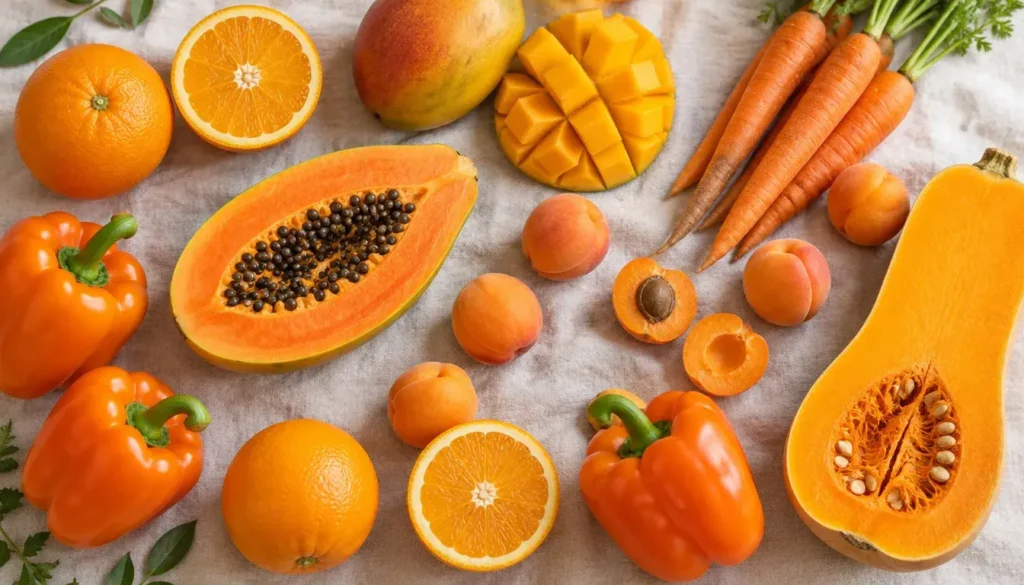
Funnily enough, the orange bit is backed by actual chemistry. Carrots, mangoes, squash and most of their orange friends are colored by carotenoids, beta-carotene being the famous one, and your body turns that into vitamin A. The water side is symbolic. Can I prove a slice of melon tops up your emotional flow? No, and I’m not going to try. But it does tie in with the organs this chakra is supposed to look after, and a habit that gets you eating more fruit and veg and drinking more water isn’t one I’m going to argue with.
What Does the Sacral Chakra Have to Do With Kidney Stones?
More than I expected, to be honest. Water is this chakra’s element, and water is also what your kidneys need most if you want to stay clear of stones. If your urine is too concentrated, calcium and oxalate can start forming crystals, and over time those crystals glue together into a stone. A small one usually works its way out without any help. Painfully, by all accounts. Larger ones sometimes need help, and that’s when doctors start talking about shock wave treatment or keyhole procedures – this overview of Singapore kidney stone surgery explains how each option works and when it’s used.
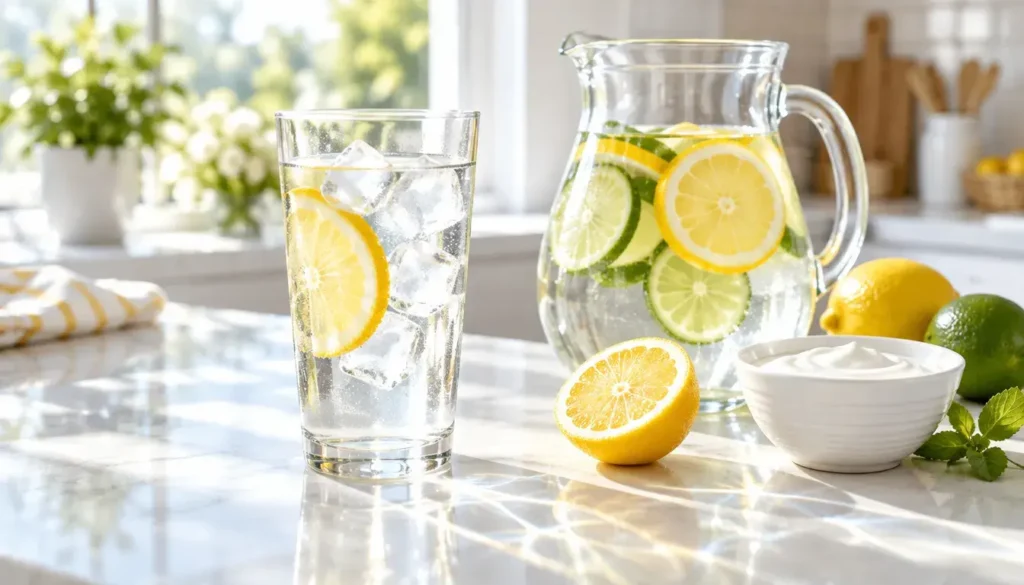
Prevention is mostly a kitchen job. According to the US National Institute of Diabetes and Digestive and Kidney Diseases, fluid comes first – for most people that means roughly six to eight glasses a day – and salt should stay under 2,300 mg of sodium daily. Some sacral chakra favorites pitch in here too:
- Lemons, limes and oranges. They’re full of citrate, which gets in the way of calcium crystals forming. It’s the same reason some doctors put stone-prone patients on citrate tablets, so that slice of lemon in your glass is doing a bit more than adding flavor.
- Melon, cucumber, watermelon – basically anything that drips when you cut it – because it all counts toward your fluids.
- Calcium eaten with meals, from yogurt, kefir, cheese or calcium-set tofu, binds oxalate in the gut before it reaches the kidneys. Cutting dairy to avoid “calcium stones” can backfire for exactly this reason.
- Beans, chickpeas and lentils in place of some meat, since a lot of animal protein is linked to certain stone types.
One honest caveat. A few foods that turn up on chakra lists, including spinach, beets, nuts and rhubarb, are high in oxalate and appear on the NIDDK’s list to limit after a calcium oxalate stone. Sweet potatoes and dark chocolate aren’t far behind. For most people that’s no reason to avoid them. If you’ve had a stone before, though, ask your doctor about portions and pair these foods with something calcium-rich.
The Best Sacral Chakra Foods
Here’s what I’d put in a sacral chakra shopping basket, grouped loosely by type. You don’t need all of it. A few of these on rotation is plenty.
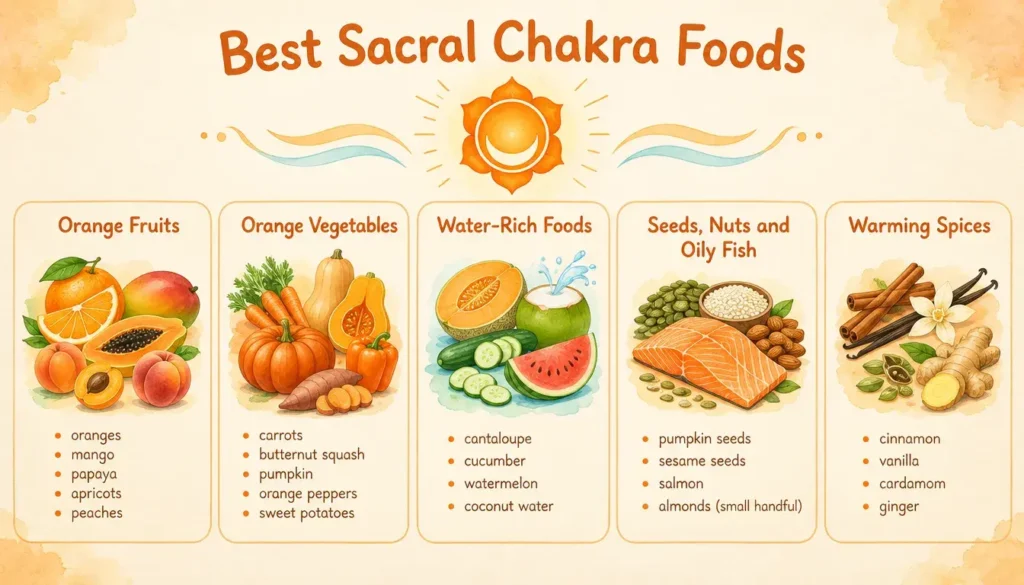
Orange Fruits
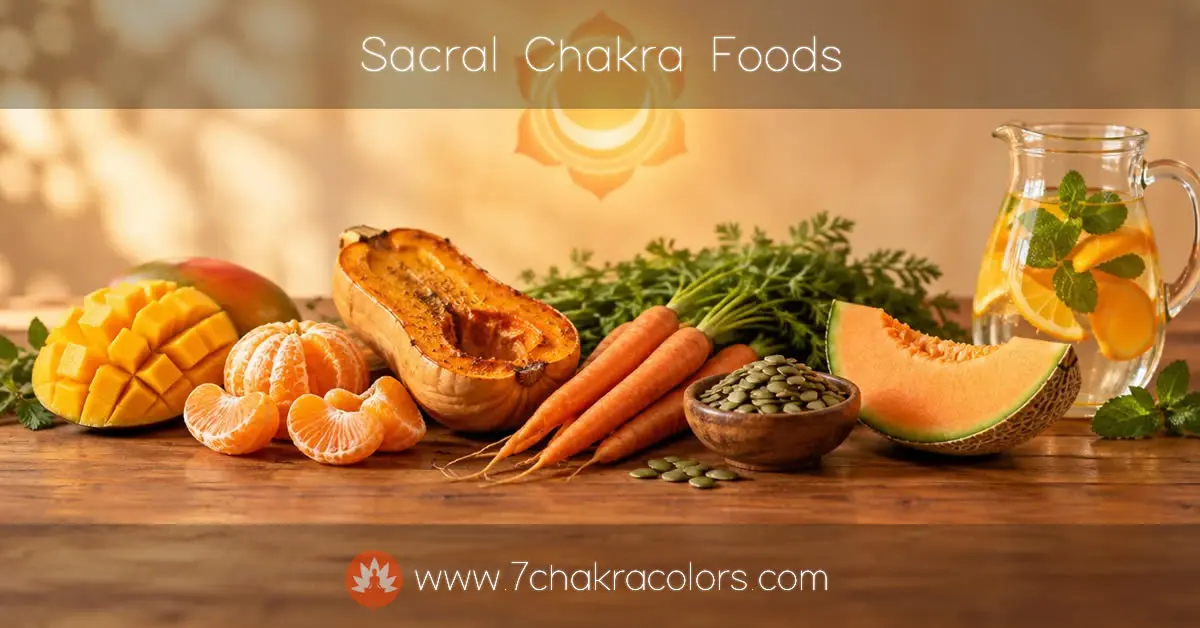
Oranges are the obvious starting point, and the citrate bonus makes them doubly useful. Mangoes come next – the national fruit of India, Pakistan and the Philippines, and about as close to pure pleasure as fruit gets, which suits this chakra perfectly. Papaya I’d eat for breakfast with lime squeezed over it, mostly because it’s soft and doesn’t argue with a sleepy stomach. Apricots work fresh in June and July and dried for the other ten months, and a bag of dried ones in a desk drawer beats the vending machine at four in the afternoon. And peaches and nectarines are the ones I’d eat outside if I could, with juice running down to the wrist.
Orange Vegetables
Carrots first. Did you know orange wasn’t always their default color? A few hundred years back most carrots were purple or yellow, and I still find that strangely hard to picture. Other orange vegetables worth having around:
- Butternut squash and pumpkin, either roasted in chunks or turned into soup on a cold evening
- Orange peppers – sweeter than the green ones, and they’ve got more vitamin C than you’d guess
- Sweet potatoes, which fill you up for hours, though they carry a fair bit of oxalate, so a spoon of yogurt or some cheese alongside is a good idea if stones are something you worry about
Foods Full of Water
Water is the element here, so I’d count juicy produce even when it’s not orange. Cantaloupe ticks both boxes, orange on the inside and about 90% water. Cucumber beats it at around 95%, and watermelon sits somewhere in between. Wellness people love coconut water, and it’s pleasant enough, but I’ll be honest, tap water with a slice of lemon does pretty much the same job for a fraction of the price.
Seeds, Nuts and Oily Fish
A lot of chakra teachers pair this chakra with seeds and good fats. My guess is it’s down to the fertility side of things, since seeds are literally where new plants start. Pumpkin seeds are my pick here, being orange-adjacent and a good source of zinc and magnesium. I’d throw sesame seeds on salads and stir-fries, and I’d add salmon to the list as well. Here’s a fun one: salmon isn’t naturally that color on its own. It comes from astaxanthin, a pigment in the krill and tiny shellfish the fish eats. Almonds turn up on plenty of sacral lists too. They’re high in oxalate, though, so if you’ve had a kidney stone, keep it to a small handful.
Warming, Sweet Spices
For a pleasure chakra, the spice rack seems like the right place to finish. Cinnamon belongs on porridge and in stewed apples pretty much all winter. If you get through a lot of it, look for Ceylon cinnamon, since the cheaper cassia kind contains a lot more coumarin, which isn’t great in large amounts. Vanilla is the most expensive spice in the world after saffron, so splashing out on a real pod now and then feels like a proper treat. Cardamom and ginger work in pretty much anything, sweet or savory.
Sacral Chakra Foods at a Glance
Want the shortlist without scrolling back up? These are the seven foods I’d start with, plus why each one belongs here and one thing worth knowing about it.
| Food | Why It Fits the Sacral Chakra | Good to Know |
|---|---|---|
| Oranges | Bright orange and full of juice, the classic sacral chakra fruit | Rich in citrate, which helps make it harder for kidney stones to form |
| Mangoes | Sweet, juicy and indulgent, matching the chakra’s link with pleasure | Lovely blended with yogurt and cardamom into a smoothie |
| Carrots | Orange color from beta-carotene, which the body turns into vitamin A | Orange only became their standard color a few centuries ago |
| Butternut Squash | Warming, orange and comforting in roasts and soups | Pairs well with cinnamon and toasted pumpkin seeds |
| Sweet Potatoes | Filling, orange and grounding for the lower chakras | Moderately high in oxalate, so pair with yogurt or cheese if you’re stone-prone |
| Cantaloupe Melon | Orange inside and roughly 90% water, so it fits both color and element | An easy way to add to your daily fluid intake |
| Pumpkin Seeds | Seeds are traditionally linked with this chakra’s fertility and creativity | A good source of zinc and magnesium |
Will Eating These Foods Unblock Your Sacral Chakra?
Usually people start searching for sacral chakra foods because something’s off. You can’t remember the last time you made something just for fun. Your feelings are either switched off or turned up way too high. Things you used to enjoy have gone a bit grey. In chakra language, people would say the sacral chakra is blocked or out of balance.

Will a bowl of mango sort that out? Probably not by itself, no, and I’d be wary of anyone selling it that way. I think food helps in a smaller, quieter way. It’s something you do every day anyway, and picking something orange, sitting down and actually tasting it is a little dose of the enjoyment this chakra is meant to be about. Add some hip-opening yoga, some kind of creative outlet and a bit of honesty about how you’re feeling, and the food becomes one part of a bigger picture. And if your mood stays low or flat for weeks, please talk to a doctor or a therapist too.
Simple Meals Built Around Sacral Chakra Foods
No exotic ingredients here, and nothing that keeps you in the kitchen much longer than half an hour.
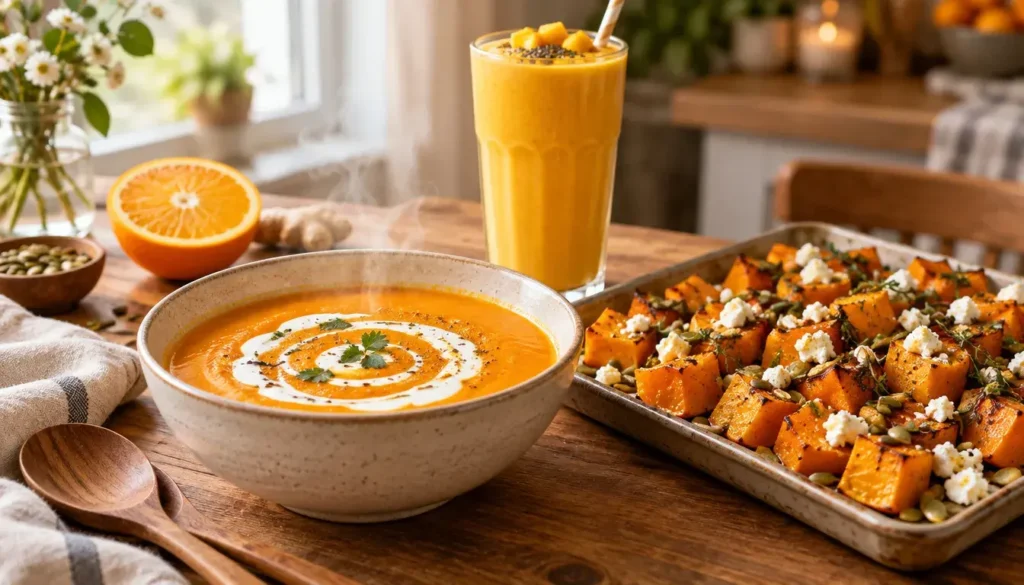
- Mango and orange smoothie. Put one mango, the juice of an orange, three or four spoons of plain yogurt and a pinch of cardamom in a blender. I like the yogurt for the creaminess, and the calcium is a bonus.
- Carrot and ginger soup. Cook an onion and a piece of ginger about the size of your thumb until soft, then add carrots and stock. When the carrots are tender, blend it all and top with a spoon of yogurt.
- Roasted squash with pumpkin seeds. Butternut squash in cubes, olive oil, a shake of cinnamon, into the oven. Toast some pumpkin seeds in a dry pan while it roasts, then crumble feta over the lot.
- Orange, melon and cucumber salad with torn mint and lime juice. Very refreshing on a hot day, and you’re basically eating water.
- Orange-baked salmon. Zest and juice an orange over a salmon fillet, bake it, finish with sesame seeds and serve with roast carrots.
Best Drinks for a Water Chakra
For a water chakra, the drinks probably deserve as much thought as the food. Water comes first, obviously, though I don’t think it has to taste of nothing. Try putting a jug in the fridge with orange slices and a few mint leaves. Somehow people end up drinking far more from that than from a plain bottle on the counter.

Hot drinks work too. Rooibos is a South African tea made from the red bush plant, comes out a nice deep orange-amber, and has no caffeine, so you can drink it at nine at night. Ginger tea with lemon is good in winter and settles a queasy stomach. Or drop some orange peel and a cinnamon stick into hot water and the whole kitchen smells like December.
Then there’s the less comfortable topic of alcohol. The sacral chakra is the pleasure chakra, and a glass of wine with a good meal sits happily in that space for a lot of people. Alcohol is also dehydrating, though, which is the opposite of what this chakra (and your kidneys) are asking for. A simple rule of thumb is a glass of water for every glass of wine.
Sugary drinks I’d save for now and then. Even orange juice, which sounds healthy, packs in a lot of sugar without the fiber, so eat the orange and drink the water separately if you can.
Does How You Eat Matter for the Sacral Chakra?
I’d say it matters nearly as much as what’s on the plate, maybe more with this chakra. Some things to try:

- Eat at least one meal a day without your phone on the table and notice what it actually tastes like – the smell, the color, whether it’s crunchy or soft
- Next time you cook, ignore half the recipe and see what happens
- Put the lemon-water jug somewhere you walk past all day, not hidden at the back of the fridge
- Invite someone round to eat with you now and then, since sharing food is one of the more enjoyable kinds of connection
- Let yourself enjoy a treat now and then without a side order of guilt
Bring a Little Orange Into This Week
None of this asks you to change your whole diet. Grab two or three things from the lists above (oranges and a butternut squash would be a fine start) and pay attention to how it feels to eat them slowly, and to enjoy them. Keep that water jug topped up too. Your sacral chakra may well appreciate it, and your kidneys certainly will.
Frequently Asked Questions About Sacral Chakra Foods
What color foods are best for the sacral chakra?
Orange is the main one, since that’s the sacral chakra’s color. Oranges, mangoes, papaya, apricots, carrots, butternut squash and sweet potatoes are the usual picks. Because the chakra’s element is water, juicy foods count too, even when they aren’t orange, so melon, cucumber and watermelon often show up on sacral lists. You don’t need to eat orange at every meal. A few of these foods spread through your week, alongside plenty of other colors, is a sensible and realistic approach.
Is drinking water good for the sacral chakra?
In chakra tradition, yes. Water is this chakra’s element, so staying well hydrated is often described as one of the simplest ways to support it. There’s a practical side as well. Your kidneys, which many chakra maps place in the sacral area, rely on plenty of fluid to work well and to avoid stones. Most people do well with roughly six to eight glasses a day, though needs vary with heat, exercise and health conditions, so check with your doctor if unsure.
Can sacral chakra foods help with creativity?
Not in a measurable, eat-this-and-paint-a-masterpiece way, and it’s worth being skeptical of anyone who promises that. What these foods can do is give you a small daily ritual that’s about enjoyment and paying attention, which is very much in the spirit of this chakra. Cooking without a strict recipe is a creative act in itself. Pair that with other things that feed creativity, like rest, play, movement and time away from screens, and the food becomes part of a bigger habit.
Are there foods that are bad for the sacral chakra?
Chakra teachers often point to heavy drinking, lots of sugar and highly processed food as things that dull the sacral chakra, mostly because they leave you dehydrated, sluggish or swinging between highs and lows. That lines up reasonably well with general health advice anyway. None of them are forbidden. The sacral chakra is about pleasure, after all, and an occasional glass of wine or slice of cake fits that. It’s the everyday pattern that matters more than any single treat.
Is lemon water good for preventing kidney stones?
It can help. Lemons and limes are rich in citrate, which makes it harder for calcium crystals to form in the urine, and the extra water matters even more than the lemon itself. Some doctors suggest lemon juice in water as one small part of a prevention plan, and they sometimes prescribe citrate supplements for people with repeat stones. It isn’t a cure for an existing stone, though. If you’ve had stones before, ask your doctor what’s right for you.
Can I eat sweet potatoes and spinach if I’ve had kidney stones?
Usually, yes, in moderation. Spinach is very high in oxalate, and sweet potatoes are moderately high, which matters most for people who’ve had calcium oxalate stones. Rather than cutting them out completely, many doctors suggest smaller portions and eating them with a calcium-rich food such as yogurt or cheese, because calcium binds oxalate in the gut. Kidney stones come in different types, though, so the best advice depends on yours. Your doctor or a dietitian can help you work it out.
How long does it take to balance the sacral chakra with food?
There’s no set timeline, and food is only one piece of it. Some people say they feel lighter or more energized within a week or two of eating more fresh, colorful food and drinking more water, which isn’t surprising whatever you believe about chakras. Deeper changes in mood or creativity tend to come from a mix of habits, including movement, rest, creative time and honest attention to your feelings. If low mood lasts for weeks, please talk to a doctor or therapist.
Blog Categories:
About the Author: