

How Serious Injuries Affect Mental Health and Everyday Life
Serious injuries change more than the body. Here’s how trauma, chronic pain, and lost independence affect mental health – and what actually helps recovery.
Table Of Contents
One moment you’re driving to work. The next you’re strapped to a backboard staring at a ceiling that isn’t yours. A catastrophic collision, a sudden fall, a severe workplace injury – reality shifts in an instant, and the physical damage is only the part anyone can actually see.
Bones knit back together. Soft tissue repairs itself, slowly, on its own schedule. But the mental health impact of a serious injury tends to outlast both, and it rarely announces itself in a way that’s easy to name.
People who survive major physical trauma often find themselves dealing with unexpected emotional distress, night terrors, and mood swings that seem to come from nowhere. Recovery goes better when you stop treating that as a side effect and start treating it as part of the injury itself.
Persistent Nervous System Arousal
Your nervous system doesn’t get the memo that the event is over.
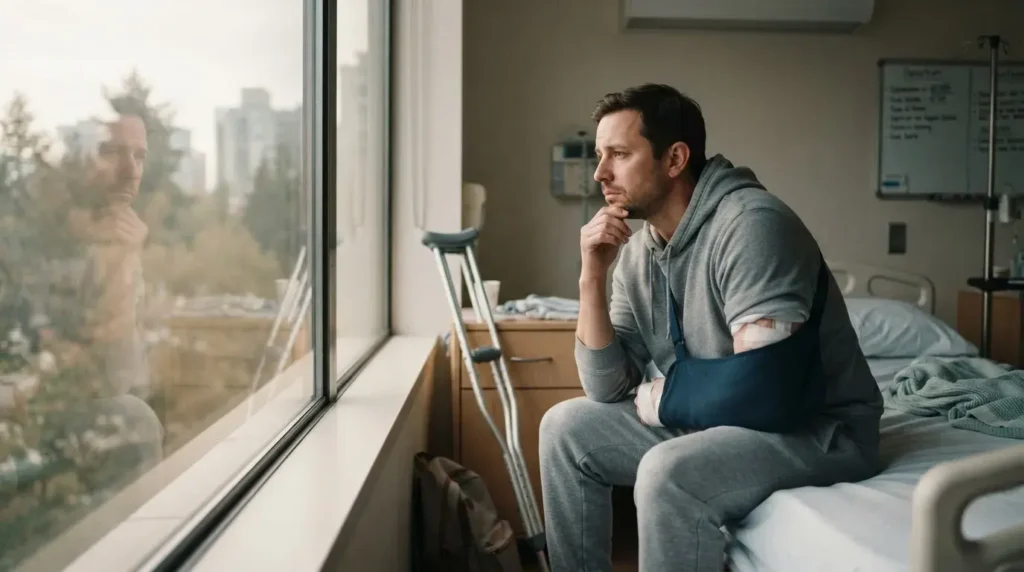
Living through a sudden catastrophic event tends to leave the body stuck in a state of heightened physiological arousal – a kind of low-grade alarm that never fully switches off. Small things set it off. The sound of screeching tires two streets over. Walking back into the warehouse where it happened. Even the smell of antiseptic in a waiting room can be enough to send your heart rate through the roof.
Then there’s the replaying. Most people describe running the same thirty seconds over and over, usually at 3 a.m., usually with the volume turned up. Sleep goes first, and once sleep goes, emotional exhaustion follows fast. Patients suffering from post-traumatic stress disorder, for example, often struggle to feel safe in standard, everyday environments.

Anyone who has lived through a serious accident understands how quickly an ordinary day turns into a fight for physical – and financial – recovery. Getting out of that permanent state of threat usually takes specialized psychological support running alongside physical therapy, not after it.
Loss of Personal Autonomy
Losing the ability to handle basic daily tasks does real damage to your sense of who you are. Needing help getting to the bathroom, or asking a family member to run an errand you’d have knocked out in ten minutes six weeks ago – that wears on people in a way that’s hard to explain to anyone who hasn’t been there.
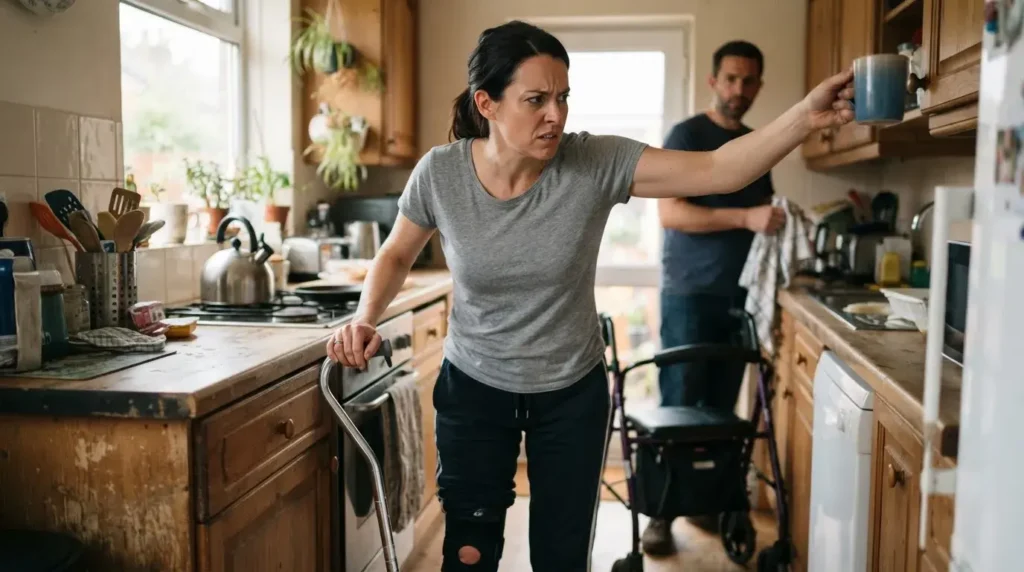
Physical limitations disrupt ordinary living, and they create several distinct emotional challenges during recovery:
- Loss of independence when simple movements need external assistance
- Persistent hopelessness that can develop into major depressive disorder
- Social withdrawal as public spaces start to feel exhausting or humiliating
- Relationship strain as caregiving dynamics change faster than anyone can adjust to them
- Identity confusion when the roles you filled at home or at work go to someone else
Working with a mental health professional on this specific piece – rebuilding routines, regaining control where control is still possible – matters more than most recovery plans acknowledge.
Chronic Physical Discomfort
Sustained pain drains mental resources the way a background app drains a battery. You don’t notice it happening. You just notice everything else running slower.
Severe physical discomfort forces the brain to remain in a perpetual stress response, drastically impairing focus, memory retention, and complex decision making. Simple things get harder. Following a conversation. Remembering whether you took the morning dose. Deciding what to eat.
The constant strain can manifest as generalized anxiety disorder or intense mental fatigue, making problem solving or return-to-work efforts exceptionally difficult.
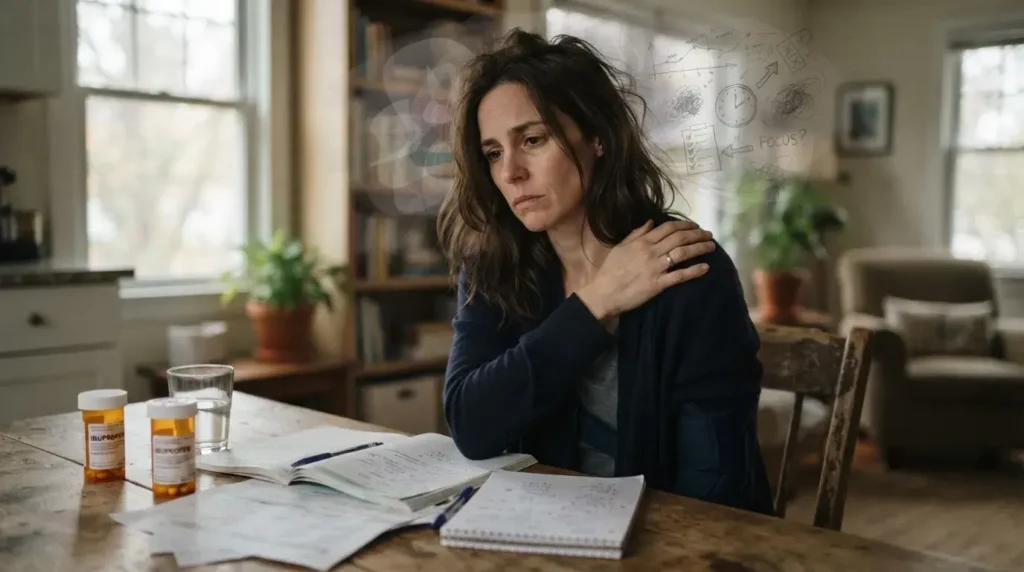
Over months, that grind erodes emotional resilience. Patience gets thin. Irritability becomes the default setting, and people who were even-tempered their whole lives start snapping at the people closest to them – then feeling terrible about it, which adds another layer.
Professional Disruption
Severe bodily harm stops professional momentum cold. For a lot of people, work wasn’t just income – it was structure, purpose, and a large part of how they understood themselves. Grief over a lost career path or reduced earning capacity can trigger a genuine identity crisis, and it often hits hardest around the six-month mark, once the initial medical urgency fades and the long-term picture comes into focus.
Rebuilding means redirecting skills toward something new and setting fresh goals that account for the body you have now. Vocational counseling offers structured pathways back toward financial independence, and it’s worth pursuing earlier than most people do.
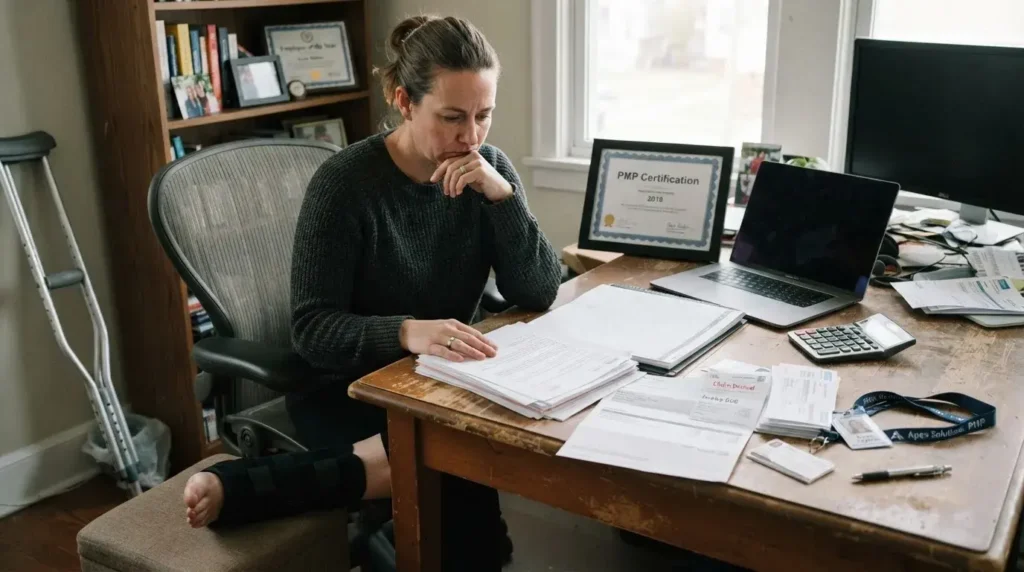
Also, if finances become worrisome after being hurt in an accident, medical bills, lost income, and other unexpected expenses can make an already difficult recovery even more challenging. In these situations, consulting a personal injury lawyer can help you understand your options and pursue compensation for eligible losses.
The Quiet Strain on Relationships
Injury doesn’t happen to one person. It happens to a household.
Partners become caregivers, and that shift changes the texture of a relationship in ways neither person signed up for. Intimacy gets complicated by pain, medication, and exhaustion. Children adjust to a parent who can’t do the things they used to do, and they often absorb more of the stress than adults realize. Friends call constantly for a few weeks, then less, then hardly at all – not out of malice, usually, but because people don’t know what to say after month three.
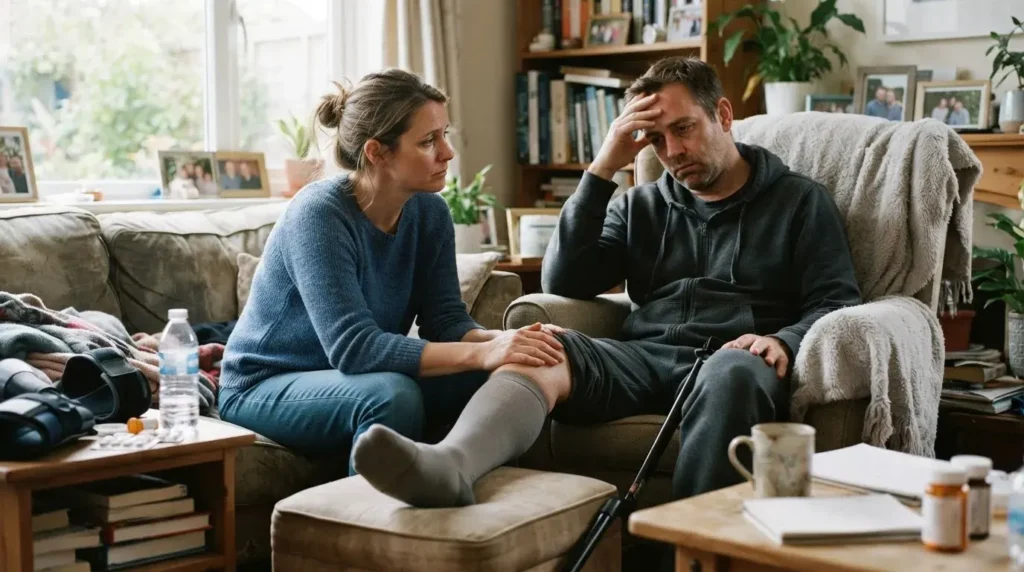
Naming this out loud helps. Couples counseling during recovery isn’t a sign the relationship is failing; it’s maintenance on a system carrying far more load than it was built for. Caregivers need their own support too, and burnout among family caregivers is common enough that it should be planned for, not treated as a surprise.
Warning Signs That Shouldn’t Be Waited Out
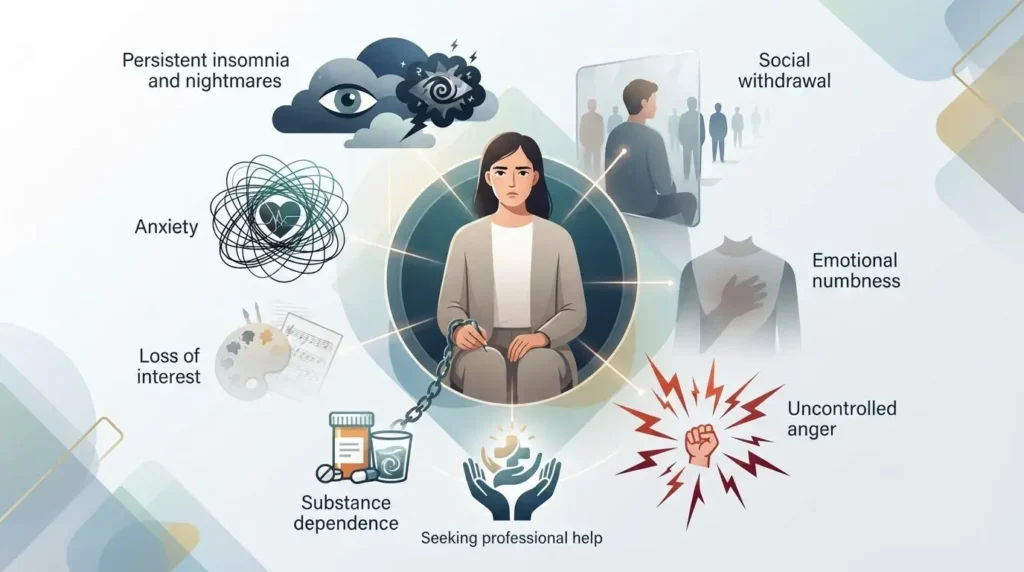
Low mood after a serious injury is normal. Some of it is expected, and it lifts. But certain signals mean it’s time to bring in professional help rather than hoping the next month goes better:
- Sleep problems that persist beyond a few weeks, or nightmares that repeat the event
- Avoiding places, people, or activities that used to be routine
- Emotional numbness, or a sense of watching your own life from a distance
- Increasing reliance on alcohol or prescription medication to get through the day
- Anger that feels disproportionate and hard to control
- Loss of interest in things that reliably used to matter to you
- Any thoughts of self-harm or of not wanting to be here
That last one is not something to sit with alone. If it shows up, contact your doctor, a licensed therapist, or a local crisis line the same day.
What Tends to Help During Recovery
There’s no single protocol, but a few things show up again and again in people who recover well emotionally:
- Treat mental health appointments as medical appointments. Same calendar, same priority as physiotherapy.
- Keep a small anchor routine. Same wake time, one short daily task you can complete, however minor.
- Move whatever still moves. Cleared by your clinician, even seated breathing work or gentle stretching helps regulate an overactive stress response.
- Track progress in weeks, not days. Daily comparisons will lie to you. Weekly ones tell the truth.
- Find people who’ve been through it. Peer support groups do something clinical care can’t – they remove the sense of being uniquely broken.
- Handle the paperwork in blocks. Insurance calls and medical billing eat mental energy. Batch them so they don’t colonize the whole week.

Rebuilding Stability After Trauma
Recovering from a serious injury asks for a comprehensive approach, one that gives psychological healing the same weight as physical restoration. Not as an afterthought once the cast comes off. In parallel, from early on.
Reconnecting with support groups, building modified daily routines, and working with licensed therapists creates a foundation strong enough to hold long-term recovery. Be honest with your medical team about mood and sleep – most people underreport both, and clinicians can’t treat what they don’t hear about. If you can, bring someone to appointments who’ll remember the parts you won’t.

Expect the timeline to be uneven. Good weeks get followed by bad ones for reasons that never fully make sense, and that pattern isn’t failure – it’s how nervous systems recalibrate after a shock. Progress in this kind of recovery looks less like a straight line and more like a tide coming in.
And accept help when it’s offered, specifically. Vague offers rarely turn into anything. Asking someone to drive you to Thursday’s appointment, or to bring dinner on the day you have physio, is easier for them to say yes to and easier for you to actually receive.
The body sets the pace of physical healing. You have more say over the emotional side than it feels like right now – and that’s the part worth working on deliberately, every week, until the ordinary days start feeling ordinary again.
Frequently Asked Questions About Injuries and Mental Health
How long does the mental health impact of a serious injury usually last?
There’s no fixed timeline, and that frustrates people more than almost anything else. Some emotional symptoms ease within a few months as pain drops and independence returns. Others – particularly trauma-related symptoms like nightmares, hypervigilance, or avoidance – can persist for a year or longer without treatment. What matters more than the calendar is direction. If things are slowly improving month over month, that’s a good sign. If you’re flat or sliding backward after eight to twelve weeks, that’s the point to bring in a mental health professional rather than waiting it out.
Is it normal to feel depressed after an accident even if the injury is healing well?
Yes, and it catches a lot of people off guard. Physical healing and emotional healing run on separate schedules. It’s fairly common for mood to dip once the medical urgency fades – the appointments thin out, visitors stop coming, and you’re left with the reality of what changed. Loss of routine, loss of work identity, and disrupted sleep all feed into it. Feeling low in that window doesn’t mean you’re ungrateful or handling recovery badly. It does mean it’s worth mentioning to your doctor, because depression slows physical recovery too.
What’s the difference between normal stress after an injury and PTSD?
Most people feel shaken, jumpy, and preoccupied for a few weeks after a traumatic event. That’s an expected stress reaction and it typically settles. PTSD is diagnosed when symptoms persist beyond about a month and start interfering with daily functioning – intrusive memories, nightmares, avoiding reminders of the event, emotional numbness, and a nervous system that stays on high alert. Only a qualified clinician can make that distinction. If you’re avoiding driving, avoiding the site of the accident, or reliving it regularly a month later, get assessed rather than self-diagnosing.
Can chronic pain actually cause anxiety, or is the anxiety separate?
They’re genuinely intertwined. Ongoing pain keeps the body’s stress response switched on, which raises baseline anxiety, disrupts sleep, and drains the mental capacity you’d normally use for coping. Anxiety then amplifies pain perception, which feeds back into the loop. This is why treating only one side often stalls. Pain management and psychological support work far better together than either does alone, and many rehabilitation programs now build both in from the start.
How can family members help without taking over?
The most useful thing is preserving whatever independence still exists. Doing everything for someone is well-intentioned but it accelerates the loss of autonomy that damages self-worth in the first place. Ask what they want help with instead of assuming. Offer specific support – a lift to Thursday’s appointment, dinner on physio days – because vague offers rarely get accepted. And keep including them in decisions and conversations. Being talked around rather than talked to is one of the most isolating parts of recovery.
When should someone see a therapist rather than waiting to feel better?
Sooner than most people think. Good reasons to book now rather than later include sleep problems lasting more than a few weeks, nightmares replaying the event, avoiding places or activities that used to be routine, increasing reliance on alcohol or medication, anger that feels out of proportion, or emotional numbness. Any thoughts of self-harm mean contacting a doctor, therapist, or crisis line the same day. Early psychological support tends to shorten recovery rather than lengthen it, and there’s no requirement to be in crisis to qualify for help.
Does financial stress after an injury make the psychological recovery worse?
Considerably. Medical bills, lost income, and uncertainty about future earning capacity add a second, ongoing source of stress on top of the injury itself – and unlike physical pain, it doesn’t have a healing timeline you can point to. People dealing with financial pressure during recovery report worse sleep, higher anxiety, and slower return to work. Getting clarity on your options early helps, whether that’s disability benefits, employer arrangements, vocational counseling, or legal advice about compensation. Reducing the uncertainty is often what reduces the stress.
Blog Categories:
About the Author: