
How To Create a Calm Home Practice Space For Energy Balance
Create a calm home practice space for energy balance. Pick the right corner, clear the floor, keep objects simple, and make the space easy to return to.
Table Of Contents
A calm practice space usually begins with clearing one small area and keeping it that way. Not a full spare room. Not a perfect studio setup. Just one place in the home where the mat is not buried under clothes, the floor is not full of chargers, and the body can settle without looking at unfinished jobs.
That might be the side of a bedroom. It might be the quiet end of a living room. It might be a window corner that gets soft morning light. The space does not need to impress anyone. It needs to feel easy enough to use on a normal day.
Energy balance is hard when the room already feels restless. The body may sit down, but the eyes keep moving. A pile of laundry. A chair full of bags. A shelf with too many things on it. Before the practice starts, the mind is already busy.
Pick The Corner That Stays Clear
Some corners look calm when first arranged. A candle goes down, a crystal sits beside it, and the mat looks nice for a day. Then life comes back. A basket lands there. Someone leaves shoes nearby. The corner quietly becomes storage again.
The better space is often less pretty, but more reliable. Near the bed, it works if breathing or stretching happens after waking. Near a window works if fresh air helps the body settle. A corner beside a bookshelf can feel good because the room already has a slower mood.
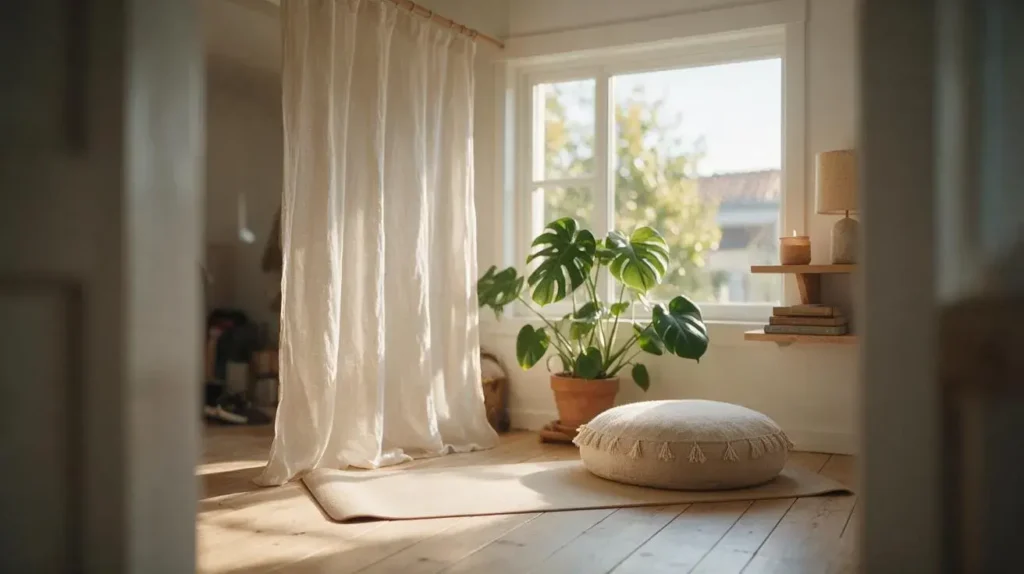
Breathwork, affirmations, chanting, and slow movement are harder when people keep passing by. The space does not need a closed door, but it should feel a little separate. A plant, curtain, screen, or low shelf can give the corner more privacy.
Start With The Floor
The floor should feel clear and steady. If there are shoes, chargers, or bags near the mat, the space feels busy before the practice starts.
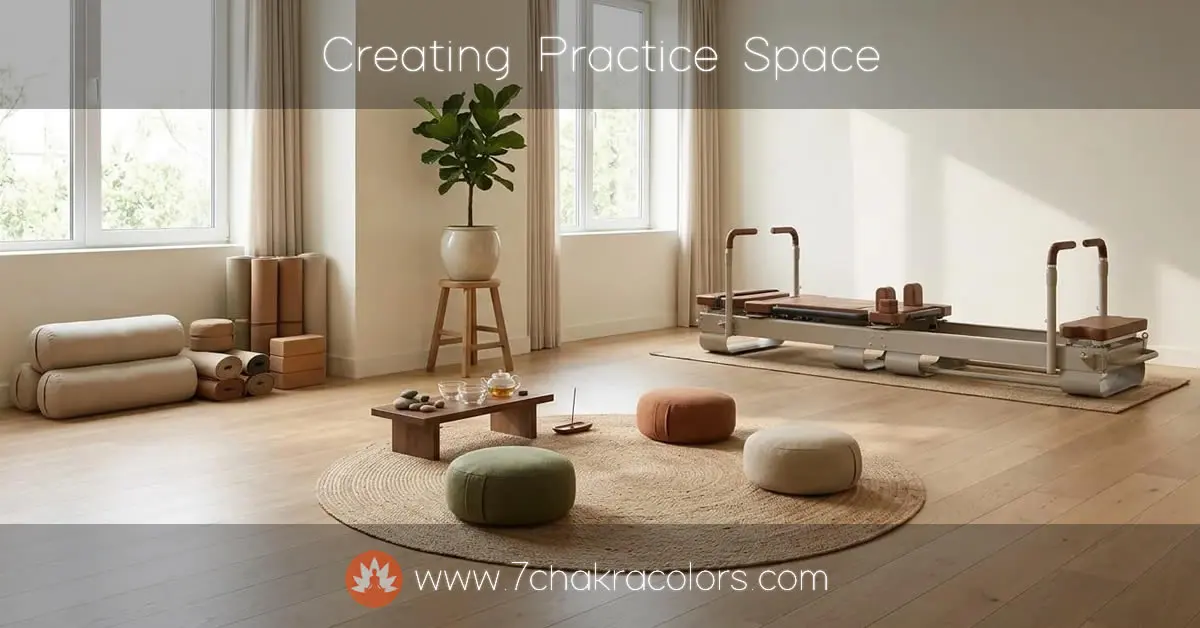
Keep it simple. If it is uncomfortable to sit, use a mat, flat rug, or cushion. Try to leave some room around it as well so that the body can stretch, turn, and move without being trapped.
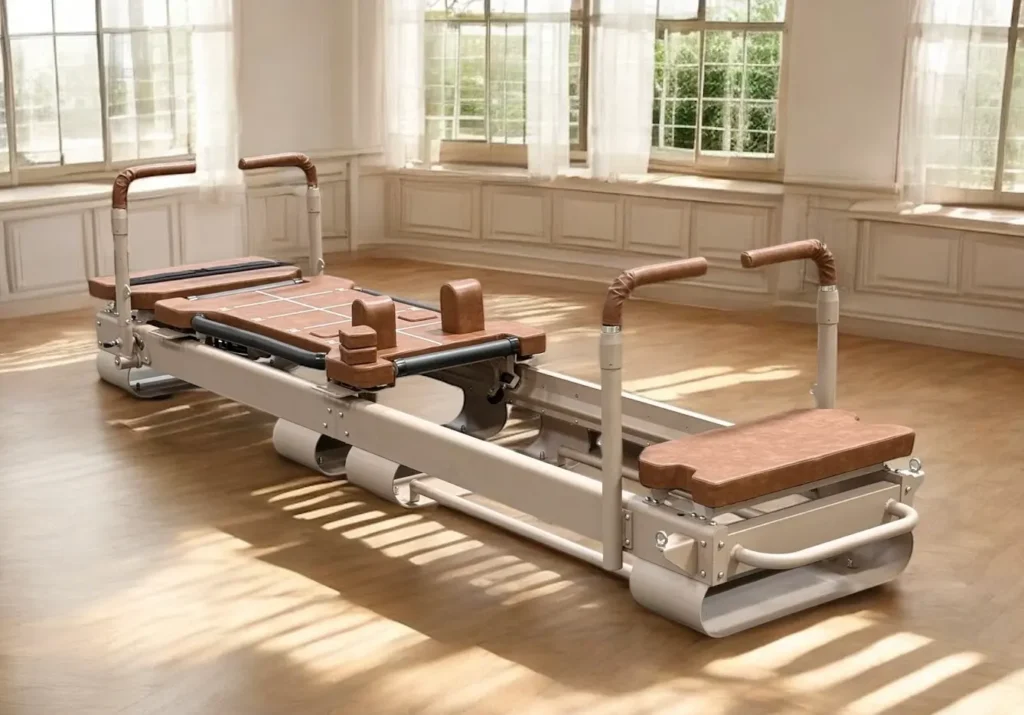
Allow extra space beyond the size of the mat. The body may want to twist, kneel, lie down, open the arms, or stretch one leg out to the side. If slow strength work is part of the practice, a low-impact Lagree reformer machine for mindful home movement can fit in a larger room. It should still leave space around it, though. The equipment should support breath and control, not make the room feel like a gym squeezed into a spiritual corner.
Keep The Objects From Taking Over
A practice space can get crowded with good intentions. One candle becomes four. A few stones become a full tray. Then come the oils, cards, journals, bowls, incense, books, and little objects that all seem meaningful.
None of those things is wrong. They just need restraint.
Keep the items that actually help the practice begin. One candle that gets used. A small bowl for chakra stones. A plant that does not need much care. A journal and pen. Maybe one affirmation card, not a whole stack spread across the floor.
Chakra colors can be quiet. A red cushion near the floor can support grounding. A green stone or plant can soften the heart area. A blue cloth can work for throat chakra practice. Violet or white can sit in the space without covering every surface. The room does not need to display every chakra at once.
Let The Air Feel Light
A room can be still but not be easy to breathe in. If the air is heavy, it could be because of old incense, dust, closed windows, or mixing several scents. If you are meditating on your breathing, a sound, or a mantra, the space should come easily to you with your first breath.
Open a window for a few minutes when possible. If there is no window, keep the area clean, light, and simple. One soft scent is enough. Lavender may suit evening practice. Sandalwood can feel warm. Frankincense can help you feel steady during meditation. Plain, clean air is fine too.
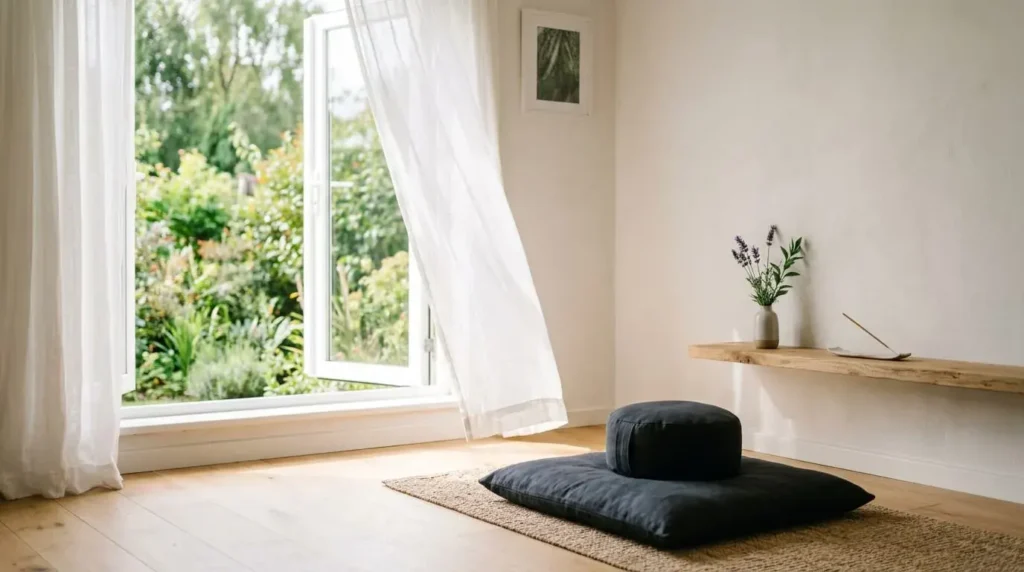
For throat chakra work, humming, chanting, or affirmations, the air matters more than any other object on the shelf. The first breath should feel easy, not thick.
Move Before Sitting If The Body Needs It
Some days, sitting still too quickly does not work. The hips feel tight. The lower back complains. The shoulders stay high. The mind gets blamed, but the body may simply need a few minutes first.
Slow movement can help. Cat-cow, a seated twist, a low lunge, a forward fold, or a gentle bridge can make the body feel more present. Nothing has to turn into a workout. The point is to notice where tension sits and give it a little room.
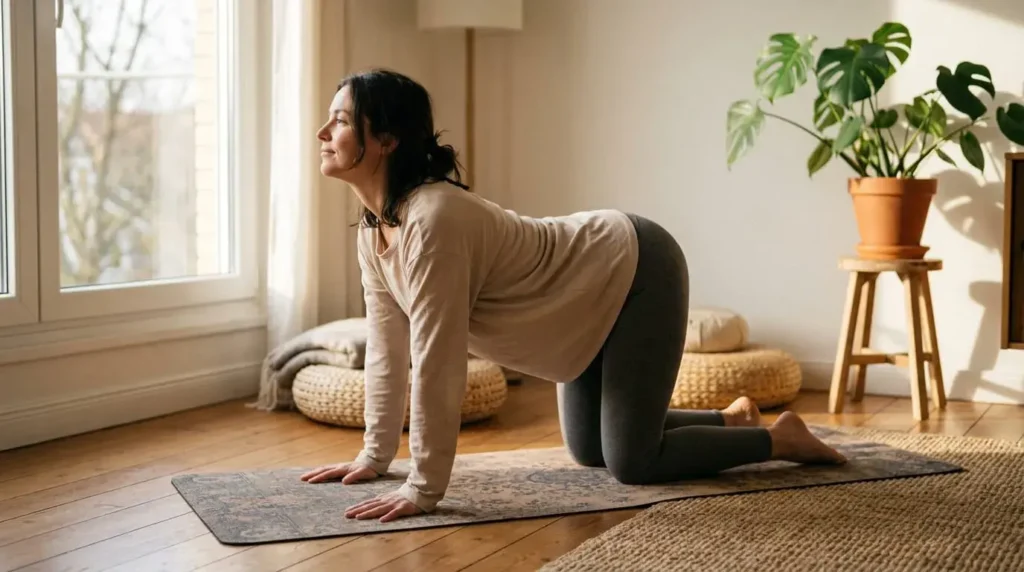
That motion can be gentle and have utility as long as it is still, and muscle-strengthening activity is recommended for adults at least 2 days per week by U.S. guidelines.
This practically fits chakra practice. Root work needs steadiness. Sacral work often needs the hips to move. Solar plexus work can feel stronger with posture and core control. Heart work may need the chest and shoulders to soften before stillness feels natural.
After movement, meditation often feels less forced. The breath drops lower. The room feels quieter without anything changing.
Keep It Ready, Not Perfect
The space should be basic and unassuming in its operation. Keep the mat within easy reach. Have one basket for the little ones. When the practice is over, return the stones, candles, cards, or oils to their proper places.
That is what keeps the corner from turning back into storage. After a while, the body starts to know the space. The breath settles faster. The mind does not need as much effort to arrive.
A calm practice space works best when it is easy to come back to.
Frequently Asked Questions About Creating A Calm Home Practice Space
How much space do I actually need for a home practice corner?
Less than most people think. A mat-sized patch with a bit of room around the edges is enough for breathwork, seated meditation, and slow movement. What matters more than square footage is that the floor stays clear. A small corner you can use every morning beats a big empty room you never walk into. If you can sit down, stretch an arm out, and lie back without hitting furniture, you have enough.
What if I live in a small apartment with no spare corner?
Then borrow a corner instead of dedicating one. The side of the bed, the end of a sofa, a patch by the window – all of these work if you can clear them in under a minute. Keep the mat rolled somewhere within reach and one small basket for your stones, candle, or journal. The setup becomes the ritual. Rolling out the mat in the same spot every day builds the same signal a permanent space would.
Do I need crystals, candles, or chakra colors to make it work?
No. They help some people settle faster, but none of them are required. A candle you actually light or a stone you actually hold is worth more than a shelf full of objects gathering dust. If you like working with chakra colors, keep it light – a red cushion for grounding, a green plant near heart-level, a blue cloth for throat work. One or two cues, not a full display. The room does not need to prove anything.
Why does my practice space keep turning back into storage?
Because it does not have a clear job yet, and empty floor is the most tempting place in any home to set something down. The fix is having somewhere else for those items to land. One basket, one shelf, one drawer nearby. Put things back when the practice ends rather than tidying later. A corner that resets in thirty seconds tends to stay a practice corner. One that needs a cleanup session does not.
Should I move my body before meditating, or just sit down?
Depends on how the body feels that day. Tight hips, a stiff lower back, or shoulders sitting up near the ears usually mean a few minutes of slow movement first will make stillness easier. Cat-cow, a seated twist, a low lunge, or a forward fold is enough. Nothing has to become a workout. On days when the body already feels settled, sitting straight down is fine. Let the body decide rather than the schedule.
How do I keep the air in a small practice space from feeling heavy?
Open a window for a few minutes before you start, even in winter. Old incense residue, dust, and several scents layered on top of each other are the usual culprits. Stick to one soft scent at a time – lavender in the evening, sandalwood for warmth, frankincense if you want something steadying. If there is no window, keep the corner clean and skip scent entirely. Clean air is not a compromise. For humming, chanting, or throat chakra work it matters more than anything on the shelf.
How long before a practice space starts to feel different?
Usually a couple of weeks of regular use. The body learns the association quietly – you sit down in the same spot and the breath drops lower without being told to. The mind stops needing a run-up. Nothing about the room changes; the relationship to it does. That is also why keeping the space clear matters. Every time you have to move a pile before sitting, the association weakens a little.
Blog Categories:
About the Author: